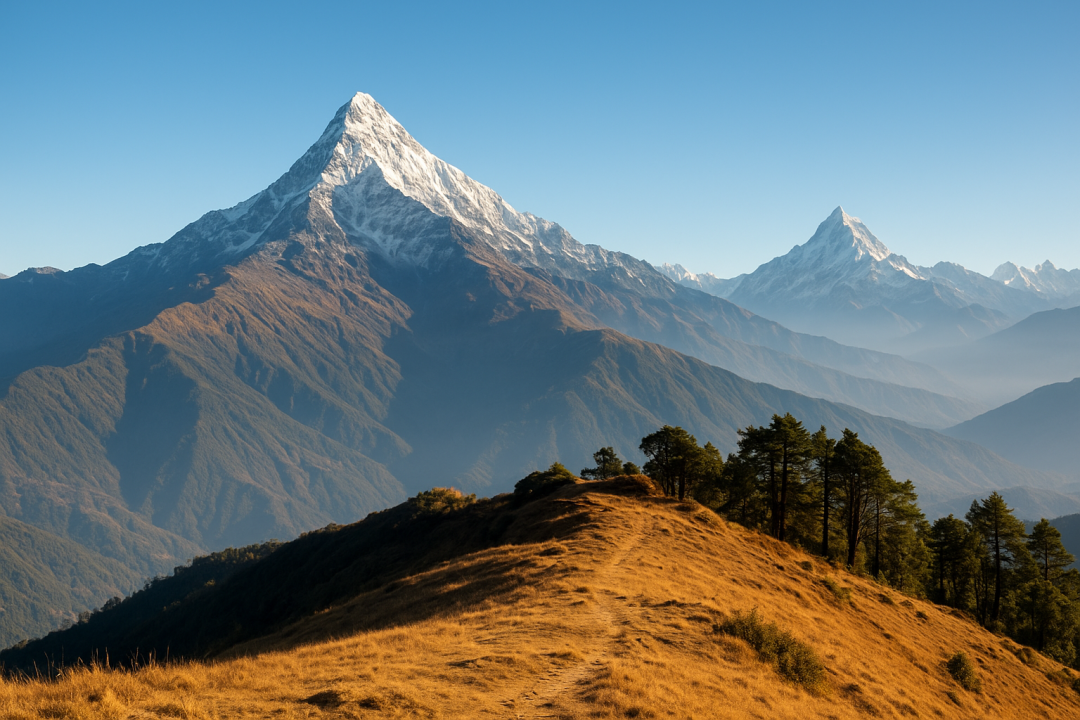

Pikey Peak is a mountain located in the lower Everest region (Solukhumbu district) of Nepal. It stands at an altitude of about 4,065 meters (13,336 feet) and is part of the Rolwaling Himalayan range. Since the altitude of Pikey Peak is low compared to other peaks in the Everest region, the trek to the Peaky Peak is called the Pikey Peak trek.
Pikey Peak is one of the most underrated treks in the Everest region, often overlooked because of the popularity of the Everest Base Camp trek. Pikey Peak trek takes you close to Everest, and you don’t even have to take the costly Lukla flight.
This short Pikey Peak can be completed in just 7 days, which offers the panoramic view of Mount Everest (8,848m), Lhotse (8,516m), Makalu (8,463m), Kanchenjunga (8,586m), Numbur Himal, Thamserku and Gaurishankar.
This 7-day short Pikey Peak trek is a combination of mountain views, Sherpa culture, and natural beauty. There are a few trekkers on the Pikey Peak trekking trails, which makes your adventure peaceful and more enjoyable.
The benefit of choosing Peaky Peak trek is that this trek can be done with friends, family and even with your children. The trail offers a gradual ascent, which makes it easier for trekkers of all ages. Additionally, the risk of altitude sickness is low compared to other high-altitude treks in the Everest region, making it a safer and more comfortable adventure.
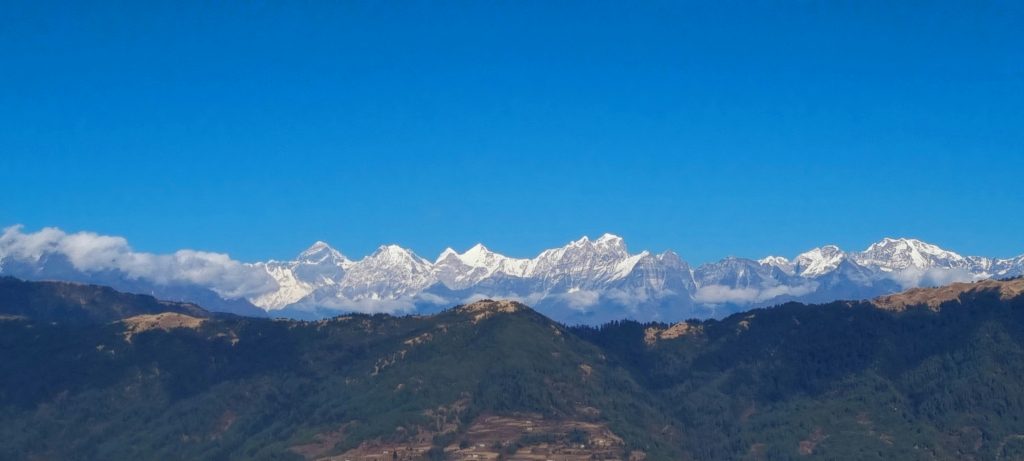
Pikey Peak offers a massive, sweeping 360-degree spectacular view of the mountain range, which includes Mount Everest (Sagarmatha), Lhotse, Makalu, Kanchenjunga, Gaurishankar, Langtang, and Karyolung. According to legend, this viewpoint was the favourite place of Sir Edmund Hillary’s climbing partner, Tenzing Norgay Sherpa. Also, the main highlights of the Pikey Peak trek are to enjoy the sunrise from the Pikey Peak summit.
During peak season, the iconic route to Everest Base Camp and Annapurna remains full, and all the tea houses remain packed. But this Pikey Peak trail remains peaceful even during the peak season, and the beautiful landscape that can be seen is unmatched by others. There are no fancy bakeries or souvenir shops; you will have a taste of just raw and genuine hospitality.
The Pikey Peak trail is dotted with old villages, Buddhist monasteries and mani walls decorated with praying flags. Stopping at these spiritual places and watching monks chant, or simply spinning a prayer wheel, lets you understand about Buddhist culture and traditions. If your travel time meets the festival time, then you can witness displays of traditional dress, music, and community spirit.
In most high-altitude treks, you will leave the forest and hills early, but in this Pikey Peak trek, you will enjoy the complete lush beauty and forest trails. If you trek in Spring(March-April), you will walk through tunnels of a colourful rhododendron forest. Also, you will meet yak and mountain goats, which are grazing in high alpine pastures. Also, watching the valley below the cloud is unexplainable here.
Pikey Peak can be done throughout the trek, but due to the best weather conditions and the best view of the mountain, and to witness the beautiful landscape, people trek mostly during spring (March to May) and autumn (September to November). Here is what you can expect in different seasons:
During the months of spring, the temperature generally ranges from 5°C to 20°C (41°F to 68°F). Due to pleasant weather conditions, trekkers can hike in comfortable weather. Also, the trails during this time are covered by colourful Rhododendron flowers( pink, white, and crimson). The view of Everest and other surrounding peaks is best to watch during this time.
Another best time for trekking Pikey Peak is during the autumn season( Sep- Nov). The temperature generally ranges around 10°C to 15°C (50°F to 59°F). The clear view of the beautiful landscape, mountain peaks and iconic Everest remains brilliant to watch this time. Also, trekkers can enjoy Nepal’s grand festivals, Dashain and Tihar, this time. It allows you to experience and understand how beautiful Nepal culture is.
Trekking during the winter and monsoon season is possible for the Pikey Peak trek, but many people avoid trekking during this time due to bad weather conditions. In winter, the temperature remains cold at high altitude. In the monsoon, the trail paths become muddy and slippery. Also, heavy rainfall can trigger floods and landslides, so if you are a beginner trekker and trekking with family, we suggest you avoid travelling during the Winter and Monsoon season.
Pikey Peak trek is easy to moderate in difficulty level means even first-time trekkers can also participate. Many visitors take this trek with their friends and family, and even with small children. You don’t need to have a high level of fitness; only walking for an average of 5-6 hours is needed. Due to the short itinerary, you will not have a tough time on this trek, as you will remain in the mountain region for a short time.
Everest Delight Tours Company stands out as the premier choice for your Pikey Peak adventure, and here is why:
Our expert will lead your Pikey Peak trek. We will provide you with a licensed trekking guide and a helpful porter for your support. Our trekking Sherpa guide knows the route well and navigates safely throughout the entire journey. They know how to handle emergencies, how to encourage during tough times and provide first aid whenever needed. Also, our itinerary is well planned so that you don’t have to rush during the trip.
From the start of your journey to the end, Everest Delight will take care of everything for you and your group. To make your journey hassle-free and enjoyable, we provide comfortable accommodation, arrange meals, transportation, and permits. To handle your needs, our team will be 24 hours with you.
Everest Delight Tours is committed to preserving the beautiful environment and protecting the beauty of the Everest region for future trekkers. So we encourage our trekkers to manage the waste and throw it in the right place. Following responsible tourism practice and staying in the tea house, we help to promote and contribute to the local economy.
We give rights to have a flexible and customizable Pikey Peak trek itinerary so that it matches your preferences, fitness level and time you want to spend during the visit. Our expert team will provide equal support no matter if you are travelling solo, in a group or want a private trek.
The main aim of our company is to provide you with a memorable and enjoyable trip so that you can remember a lifetime. We will take you to all the major destinations without making a rush. Everest Delight Tours ensures your Pikey Peak journey is filled with wonder, joy, and a profound sense of accomplishment.
The Cost of the itinerary depends upon several factors like group size, additional services and the time of season you travel. Here is our Cost for the Pikey Peak Trek according to the different group sizes:
| Group Size | Cost Per Person (USD) |
| 1 Person (Solo Trekker) | $850 |
| 2 People | $750 |
| 3–5 People | $700 |
| 6–10 People | $650 |
| 11+ People | $600 |
Note: The above cost covers your permits, private jeep for transportation, accommodation, meals, guide and porters.
| Permit Type | Where to Get It | Cost (Approx.) | Notes |
| Sagarmatha National Park Entry Permit | Nepal Tourism Board Office, Kathmandu or at the entry checkpoint | NPR 3,000 per person (for non-SAARC nationals) | Required to enter the Sagarmatha National Park area. You must show this permit at various checkpoints during the trek. |
| Gaurishankar Conservation Area Permit (GCAP) | Nepal Tourism Board Office, Kathmandu | NPR 3,000 per person (for non-SAARC nationals) | Also known as the local area permit, as Pikey Peak lies within the Solu-Khumbu region. Required for trekking through the Gaurishankar Conservation Area. |
Note: When we book the Pikey Peak trek with Everest Delight then we will obtain all the required permits on behalf of you. Also the cost of permits will be included in the trekking package.
To obtain this permit these are the documents you need to submit to us:
When you're trekking in the Himalayas, you can expect the food to be like you can find in the city restaurants. Here you will find the simple food cooked by the locals, which is mainly Tibetan bread, chapati, toast, pancakes, or Aloo Paratha for breakfast. Dal Bhat, Noodles, Pasta, pizza and a variety of soups. Travellers can choose veg or non-veg items from the tea house menu with unlimited refill options for lunch and dinner. You can also find energy snack items, cold drinks, hot and alcoholic beverages, but you need to pay for these on your own.
On a Pikey Peak trek, you can expect to stay in basic teahouses and lodges with simple twin-sharing rooms, shared bathrooms, and communal dining areas. With an additional payment, you can use the facilities like wifi, a hot shower and charging for your electronic device.
In the room, you will find beds, mattresses, pillows, and blankets. For the single room, you need to pay an extra fee and need to inform us while booking. Tea houses don't provide toiletries items, and we recommend that you carry hand sanitiser and toilet rolls with you.
Wifi: Trekkers can find wifi in almost all the tea houses. You can connect to the wifi by asking the tea house owner or staff. Wifi will cost you around $3-$4 per person, and you need to pay in local currency.
Hot shower: Most of the tea houses offer hot shower facilities, and for this, you need to pay a fee of around $3–5 USD per person, which will be around NPR 200 and NPR 500.
While trekking to the Pikey Peak is manageable but for beginners trekkers it can be tough due to trekking for the first time in the Himalayan terrain. Let's see what challenges you can expect on this trail:
Steep and uneven ground: Trekking in the mountain region means you need to walk in steep and uneven ground, which can be tough for some trekkers.
Physical stamina: Walking for 6 hours a day can be tough for those who don't have good physical fitness. All the participants must have a moderate level of fitness to participate in this trek.
Unpredictable weather: The weather in the mountains can change suddenly, turning from clear skies to fog, rain, or snow within a short time. Such conditions can make the trek more challenging and require trekkers to be well-prepared with proper gear and clothing.
Altitude sickness: Although the chances of having altitude sickness are low, we should not neglect it. There is always a chance of having altitude sickness when trekking above 3500m. So if you don't follow the acclimatisation tips, then it can affect your dream of reaching the top of Pikey Peak.
Lower standard facilities: Unlike the Everest base camp, here you will not find high-standard rooms. You need to stay in a simple yet comfortable room that offers only basic facilities.
Trekkers who want to participate in this Pikey Peak Trek should focus on making strong legs for trekking by engaging in cardio and leg exercises. Also mentally prepared to stay in remote areas with minimal facilities. Learn the acclimatisation tips and understanding of altitude sickness and its preventive measures. Choose the right season if you are a beginner trekker and follow the safety guidelines provided by your guide.
Let's see other things that you need to prepare before leaving for the trek:
Although travel insurance is not mandatory for the Pikey Peak Trek, we strongly recommend all trekkers have health and travel insurance for their safety and peace of mind. Unexpected situations such as illness, injury, or trip delays can occur at any time, and having insurance helps you handle such situations with confidence and security.
Here is what your travel insurance must cover:
To make booking Pikey Peak Trek effortless, you can easily book the trek by clicking on the book now option, which you can find on our website. You can fill in the information like your name, the date you want to travel and your group size. All the information you provide us will be private.
To reserve your spot, you should make an advance payment of 20% of the total package cost. You can find the cost details on the website. You can make a direct payment in our official account by checking the payment option on the website. For the remaining balance, you can pay while you are in Kathmandu.
Sometimes, travellers may need to cancel their plans due to certain circumstances. If you decide to cancel the Pikey Peak Trek, there will be no refund on the advance payment made during booking, as this amount is used for hotel reservations, meal arrangements, and logistics. However, apart from the 20% advance, the remaining balance will be refunded.
If you wish to postpone your trip, please inform us in advance. You can also use your advance payment as a lifetime deposit for any future treks or tours in Nepal.
Packing the right gear is very important to make your Pikey Peak Trek safe, comfortable, and enjoyable. The trek takes you to a high altitude (over 4,000m), where the weather can change quickly. Below is a complete list of essential trekking equipment and clothing you should bring.