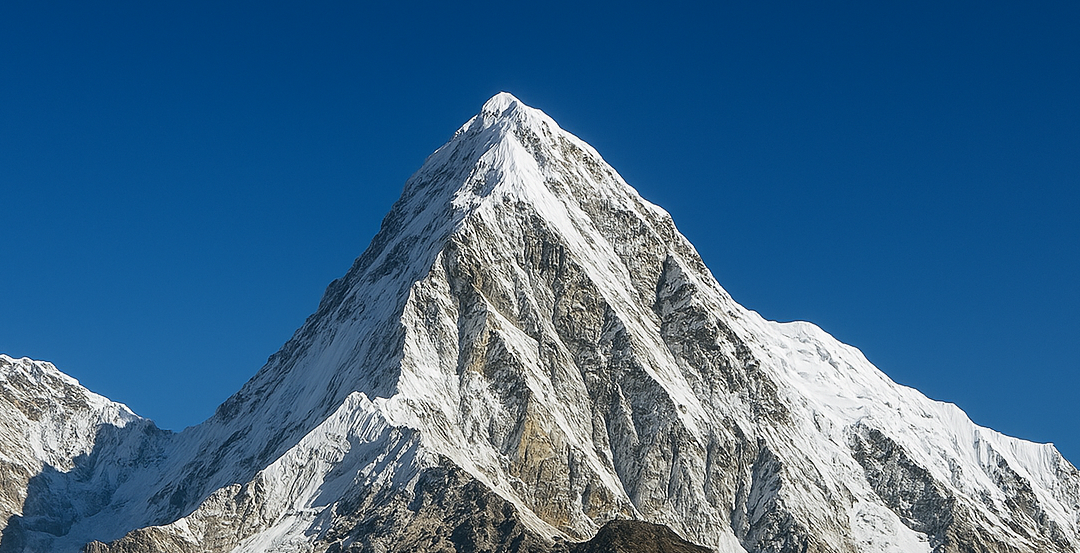

Lobuche Peak Climbing - 14 Days

Lobuche Peak Climbing 14 Days

Lobuche Peak Climbing Highlights

  • Enjoy a scenic 30-35 minute flight from Kathmandu to Lukla airport with breathtaking views.
  • Experience the thrill of landing in Lukla, the most dangerous airport in the world.
  • Trek through a famous Sherpa village and stay in the tea house while enjoying warm hospitality from locals.
  • Pass through lush hills, suspension bridges, and mountain terrains while enjoying the beauty of the Khumbu region.
  • Witness stunning panoramic views of iconic peaks like Everest, Lhotse, Nuptse, and Ama Dablam.
  • Reach the Lobuche Peak summit with our expert Sherpa Team.
  • Enjoy photography and videography, and return home full of memories.
  • Duration14 Days
  • Max. Altitude6,119 meters
  • Trip GradeChallenging
  • Group Size -
  • Meals Breakfast, Lunch And Dinner
  • AccommodationTea house/Tent

This 14-day Lobuche Peak Climbing takes you to the impressive altitude of Lobuche East summit, which is 6,119 meters. Lobuche Peak is located in the Everest region inside the Sagarmatha National Park, close to Kala Patthar. During the summit of this adventurous peak, climbers will witness the best panoramic view of Everest, Lhotse, Nuptse, Ama Dablam, and other snow-capped mountain peaks.

Lobuche Peak is graded as PD+ (Peu Difficile, plus) in difficulty, which means it is moderately difficult and considered a technically challenging trekking peak. Your journey of 14 days of Lobuche peak climbing starts from a scenic flight to Tenzing Hillary Airport- the most dangerous airport in the world. 

After you reach Lukla, you will follow the trekking trails of the world-famous Everest base camp trek. For several days, you will walk through the Sherpa villages, cross suspension bridges, walk through forest areas, and high mountain valleys until you reach Dingboche. 

From Dingboche, you leave the classic EBC route and move toward Thukla Pass. After crossing Thukla Pass(4,830 meters), you head toward High Camp, where you prepare for your final summit push to the top of Lobuche Peak.

This 14-day Lobuche Peak Climbing itinerary is well planned and prepared with enough acclimatisation days. Everest Delight’s expert team will navigate you safely through glacier navigation, technical snow, and ice ascents by fixing ropes and using climbing gear.

Lobuche Peak Climbing is a combination of mountain adventure, awe-inspiring landscapes, cultural immersion, stunning mountain views, and warm hospitality from the Sherpa People. This Lobuche peak is for those who wish to experience high-altitude mountaineering in their life.
Top Attractions of Lobuche Peak Climbing

The Panoramic Summit View: A Rooftop of the World Perspective

Lobuche Peak Climbing 14 Days

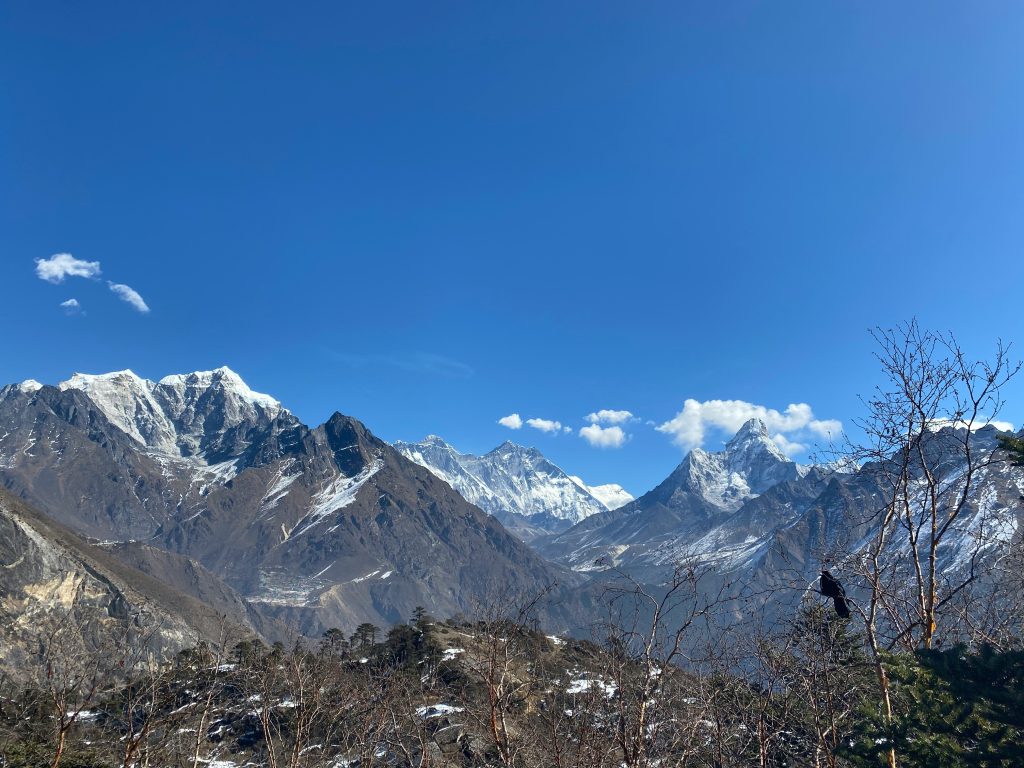
The main attraction of Lobuche Peak climbing is to reach the summit of Lobuche Peak and enjoy the 360-degree panoramic view standing above the clouds of:

  • Mount Everest (8,848.86m): The South face of the world’s highest peak in the world.
  • Lhotse (8,516m): The world’s fourth-highest peak, standing shoulder-to-shoulder with Everest.
  • Nuptse (7,861m): A magnificent wall of rock and ice forming a dramatic backdrop.
  • Ama Dablam (6,812m): Often called the “Matterhorn of the Himalayas” for its unique shape, it is the best photogenic mountain.
  • Cholatse (6,440m) and Pumori (7,161m): Adding to the dramatic beauty of the glacial peaks.

An Introduction to Technical Mountaineering in a Manageable Setting

The best part of Lobuche Peak climbing is that visitors will get the experience of a high-altitude trekking peak. From this experience, it will help them to prepare for future, more technical climbs like Island Peak, Mera Peak, or other Himalayan expeditions. Lobuche Peak allows you to enjoy the climbing adventure without the danger of 7,000 or 8,000-meter altitude.
  • Glacier Travel: Navigating the Lobuche Glacier under the guidance of experienced Sherpas.
  • Use of Equipment: Learning and applying skills with crampons, ice axes, and fixed ropes.
  • High Altitude Challenge: Pushing your physical and mental limits at over 6,000 meters, gaining invaluable experience in high-altitude environments.

The Iconic Everest Base Camp (EBC) Trekking Route

Lobuche Peak Climbing 14 Days
Everest Base Camp Trail

The journey to Lobuche Peak itself is the main attraction. You will follow the iconic Everest base camp trekking trails, where you will enjoy:
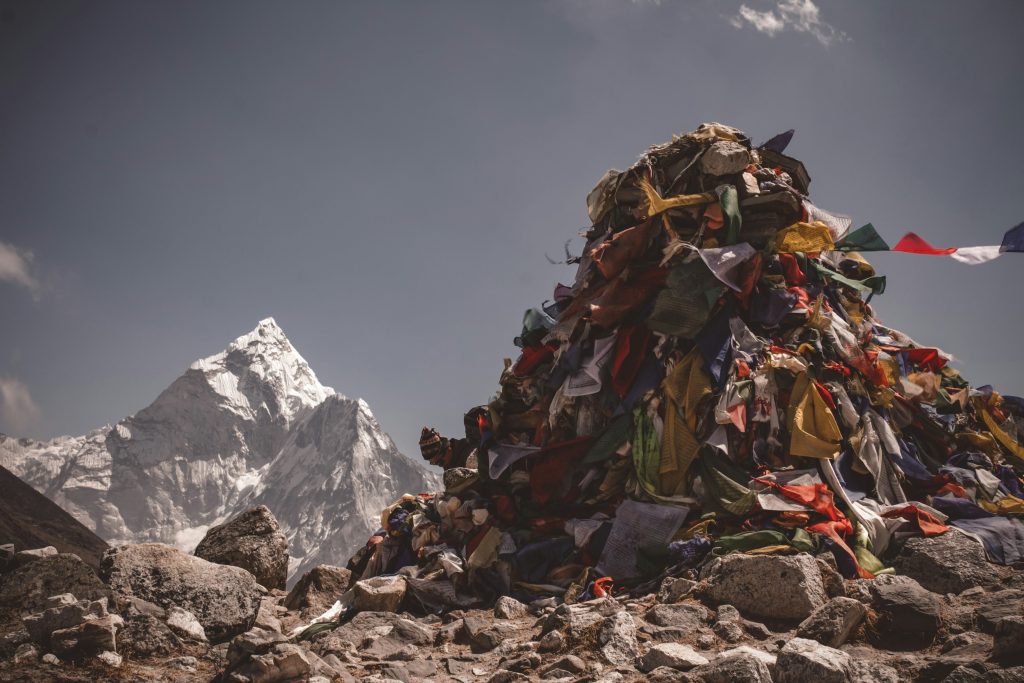
  • Vibrant Sherpa Culture: You will pass through famous Sherpa villages like Phakding, Namche Bazaar, Tengboche, and Dingboche. You will visit ancient monasteries, mani walls decorated with praying flags.
  • Stunning Landscapes: Imagine walking in the rhododendron forest trail, thrilling suspension bridge, glacial rivers, and lush valley. It will be a lifetime memory.

Close Proximity to the Khumbu Glacier and Everest Base Camp

Lobuche Peak Climbing 14 Days
Khumbu Icefall, Evereste, Himalayas, Nepal

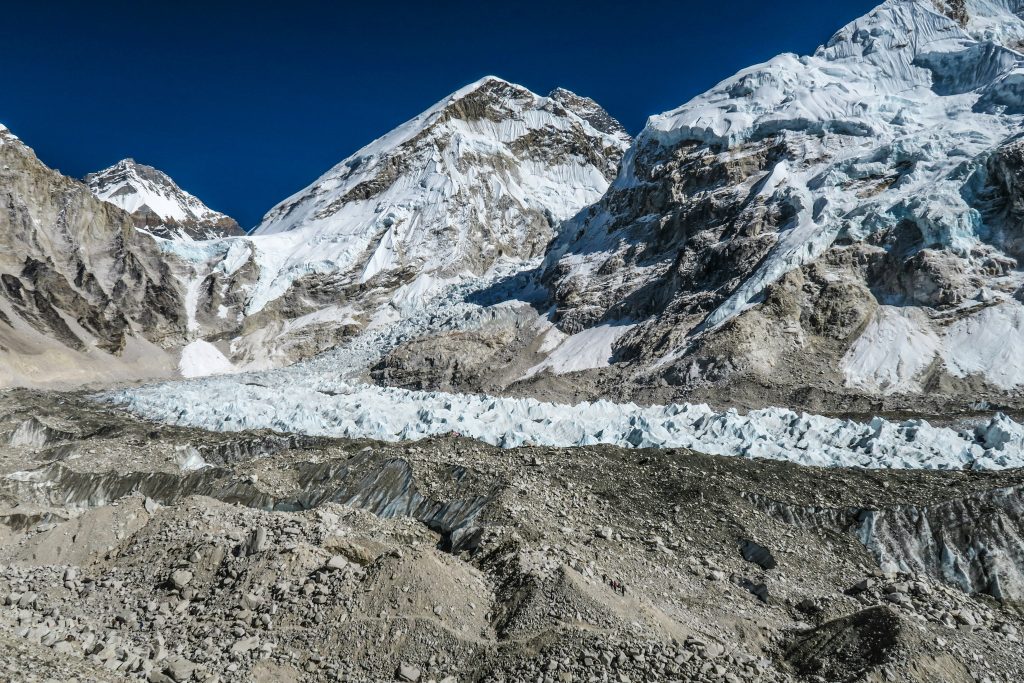
While you head from the Lobuche village before reaching the high camp, you will enjoy the close view of the Khumbu glacier and the river of ice flowing from the Everest. You can also extend your Lobuche Peak Climbing itinerary to visit Everest Base Camp and Kala Patthar for a close view of Everest.

A Profound Sense of Accomplishment

When you reach the top of Lobuch Peak summit, you will feel proud, and achieving this dream will encourage you for future expeditions. You will also learn the value of teamwork as you support each other and build trust with your climbing team. The test of your physical fitness and stamina makes you even stronger than you think of yourself.

Who Can Participate in Lobuche Peak Climbing

Solid Trekking Experience is Non-Negotiable: You should not step on the Lobuche Peak climbing without a previous high altitude experience. You must have completed other high altitude treks before 4,000-5,000 meters as the Everest base camp trek and the Annapurna Circuit trek.

Good Physical Fitness: You should have done multiple treks before and must be able to walk for an average of 6-8 hours. Even though your porter carries your luggage, you must walk with your backpack of around 5 kg, carrying essential items with you. You should be strong enough to walk through rocky paths, scree slopes, and potentially icy terrain.

Mental Fortitude: Peak climbing is not for the chicken-hearted. You should be mentally fit to overcome obstacles during difficult times.

Basic Mountaineering Skills: You must have the basic knowledge of using climbing gear, such as Ice Axe Use, Crampon, Rope, and Harness Familiarity (Basic), and Abseiling (Rappelling). If you haven’t used this before, your Sherpa guide will teach you during preparation day before heading for the Lobuche summit.

Who Might NOT Be the Best Fit (For Now):

  • Absolute Beginners: If you haven’t done any multiday high altitude trek before.
  • Individuals with Significant Health Concerns: Those who have serious underlying conditions like heart conditions and severe respiratory issues.
  • Those Afraid of Heights or Claustrophobia: While not extreme, some sections can be exposed, and being roped up can feel confining for some.
  • Anyone Seeking a Purely Leisurely Holiday: Lobuche is a challenge; to complete this expedition, you must have a time of 14-18 hours in total.

Best Time To Go for Lobuche Peak Climbing

For any technical peak climbing in Nepal, including Lobuche Peak, it is during the month of Autumn (Post-Monsoon) and Spring (Pre-Monsoon) due to stable weather conditions, clear view of the sky, moderate temperature for day hiking and the best view of mountain peaks.

The year is divided into four distinct seasons, from which you can understand the best time to choose for your Lobuche Peak Expedition.

SeasonMonthsConditionsSuitability
Autumn (Post-Monsoon)September – NovemberStable weather, clear skies, moderate temperatures.Optimal
Spring (Pre-Monsoon)March – MayWarmer days, longer daylight hours, high visibility.Excellent
MonsoonJune – AugustHeavy rain, poor visibility, slippery conditions.Poor/Unadvised
WinterDecember – FebruaryExtreme cold, heavy snow, high winds.Hazardous

Required Permits For Lobuche Peak Climbing

You will need several permits to enter officially for the Lobuche Peak Climbing. Let’s discuss the type of permit you will need to secure:

1. Sagarmatha National Park Entry Permit

  • Purpose: Required to enter and trek within the Sagarmatha National Park, which is a UNESCO World Heritage Site.
  • Cost:
  • NPR 3,000 per person for foreign nationals.
  • NPR 1,500 for SAARC nationals.
  • NPR 100 for Nepali citizens.

2. Khumbu Pasang Lhamu Rural Municipality Entry Permit

  • Purpose: This is a local government permit required for trekking in the Khumbu region.
  • Cost: NPR 2,000 per person.

3. NMA (Nepal Mountaineering Association) Climbing Permit

  • Purpose: Mandatory for climbing Lobuche Peak, as it is classified as a trekking peak by the Nepal Mountaineering Association.
  • Cost:
  • Spring (March-May): USD 250 per person.
  • Autumn (September-November): USD 125 per person.
  • Winter (December-February) & Summer (June-August): USD 70 per person.
Note: When you book through the Everest Delight, we will handle all these permits for you. You don’t have to worry about obtaining permits.

Itinerary

  • Day 1: Fly to Lukla (2,860m) & Trek to Phakding (2,610m)

    • Flight duration: 30-35 minutes
    • Trek duration: 3 to 4 hours
    • Reach TIA or Mathali airport for the Lukla flight by private transport.
    • Enjoy aerial views of the city and himalayan ranges.
    • Start your first short and easy trek from Lukla to Phakding.
    • Cross a few suspension bridges and follow the Dudh Koshi River.
    • Arrive at Phakding and spend the night in a tea house.
    Altitude: 2,860m
    Meals: B,L,D
    Accommodation: Tea house
  • Day 2: Trek to Namche Bazaar (3,440m)

    • Trek duration: 5 to 7 hours
    • Breakfast in Phakding tea house and leave for Namche.
    • Cross the famous Hillary Bridge.
    • Pass small Sherpa villages like Toktok, Benkar, and Monjo.
    • Stop at Monjo to check permits and enter Sagarmatha National Park.
    • Enjoy your first view of Mount Everest( if the weather is clear).
    • Reach Namche, the heart of the Khumbu region.
    • Spend the night in Namche's best lodge.
    Altitude: 3,440m
    Meals: B,L,D
    Accommodation: Tea house
  • Day 3: Acclimatization Day in Namche

    • Trek duration: 2–3 hours (short acclimatization hike)
    • Hike to Everest View Hotel for breakfast or explore Khumjung village.
    • Explore Namche's local cafés, bakeries, and shops.
    • Buy extra snacks if needed for the coming days (optional).
    • Rest well and acclimatize to help your body adjust to the altitude.
    • Overnight stay in Namche Bazaar.
    Altitude: 3,440m
    Meals: B,L,D
    Accommodation: Tea house
  • Day 4: Trek to Tengboche (3,860m)

    • Trek Duration: 5–6 hours
    • Breakfast in Namche and prepare to leave for Tengoche village.
    • Pass through small settlements like Kyangjuma and Sansa.
    • Continue the trail downhill to Phunki Tenga for lunch.
    • On the route, enjoy the scenic view of beautiful views of Ama Dablam, Everest, Lhotse, and Thamserku.
    • Visit the famous Tengboche Monastery.
    • Stay overnight in Tengboche tea house.
    Altitude: 3,860m
    Meals: B,L,D
    Accommodation: Tea house
  • Day 5: Trek to Dingboche (4,410m)

    • Trek Duration: 5–6 hours
    • Breakfast in Tenboche tea house and leave for Dingboche village.
    • Walk through a pine and rhododendron forest.
    • Cross a suspension bridge over the Imja Khola River.
    • Walk past Deboche and continue toward Pangboche
    • Stop for lunch in Pangboche or Shomare.
    • Arrive in Dingboche and spend the night in a tea house.
    Altitude: 4,410m
    Meals: B,L,D
    Accommodation: Tea house
  • Day 6: Acclimatization Day in Dingboche

    • Trek Duration: 3–4 hours (acclimatization hike)
    • Breakfast and go for a short hike: Nagarjun Hill or Chhukung
    • Return to Dingboche for lunch.
    • Rest and sleep well in the Dingboche tea house.
    Altitude: 4,410m
    Meals: B,L,D
    Accommodation: Tea house
  • Day 7: Trek to Lobuche (4,910m)

    • Trek Duration: 4–5 hours
    • Breakfast in Dingboche and leave for Lobuche.
    • Enjoy scenic views of Taboche, Cholatse, and the Khumbu Glacier valley before arriving at Thukla.
    • Reach Thukla and stop for a short rest or tea break.
    • Visit the Everest Memorial Site, built in honor of climbers who lost their lives in the Himalayas.
    • Continue on a gentle trail toward Lobuche with views of Nuptse and the surrounding peaks.
    • Arrive at Lobuche and spend the night in the Lobuche tea house.
    Altitude: 4,910m
    Meals: B,L,D
    Accommodation: Tea house
  • Day 8: Trek to Lobuche Base Camp (4,950m)

    • Trek Duration: 4–5 hours (approx.)
    • Breakfast in Lobuche and leave for Lobuche Base Camp.
    • On the route, enjoy close-up views of Lobuche East, Nuptse, and the Khumbu Glacier.
    • Attend a pre-climbing training session led by your climbing guide.
    • Learn basic mountaineering skills such as rope fixing, using crampons, ice axe handling, and harness techniques.
    • Prepare equipment and rest for the summit push.
    • Spend the night in the tent at Lobuche base camp.
    Altitude: 4,950m
    Meals: B,L,D
    Accommodation: Tent
  • Day 9: Climb to High Camp (5,400m)

    • Climb Duration: 3–4 hours (approx.)
    • Follow a steep and rocky trail toward High Camp using basic climbing techniques.
    • Reach Lobuche High Camp (5,400m) 
    • Stay in tents set up by the Everest Delight team.
    Altitude: 5,400m
    Meals: B,L,D
    Accommodation: Tent
  • Day 10: Summit Lobuche Peak (6,119m) & Return to Base Camp

    • Climb Duration: 8–10 hours (round trip)
    • Wake up around 1-2 am midnight for the early morning summit push.
    • Use fixed ropes and follow your climbing guide carefully.
    • Reach the summit of Lobuche Peak (6,119m) and celebrate
    • Take photos and enjoy the 360° Himalayan panorama.
    • Descend toward High Camp and then continue down to Base Camp.
    • Warm drinks, rest, and recovery at Base Camp.
    • Stay in the tea house.
    Altitude: 6,119m
    Meals: B,L,D
    Accommodation: Tent
  • Day 11: Trek to Pangboche (3,985m)

    • Trek Duration: 5–6 hours
    • Breakfast at Base Camp and leave for Pangboche.
    • Walk down through Thukla Pass, Pheriche, and Orsho.
    • On the route, enjoy the scenic view of Ama Dablam and the surrounding landscape.
    • Rest and overnight stay in Pangboche tea house.
    Altitude: 3,985m
    Meals: B,L,D
    Accommodation: Tea house
  • Day 12: Trek to Namche Bazaar (3,440m)

    • Trek Duration: 5–6 hours
    • Follow the same trail that you walked before.
    • Arrive in Namche and stay in a comfortable lodge.
    Altitude: 3,440m
    Meals: B,L,D
    Accommodation: Tea house
  • Day 13: Trek to Lukla (2,860m)

    • Trek Duration: 6–7 hours
    • Exit Sagarmatha National Park and arrive at Lukla.
    • Spent the night in Lukla tea house.
    Altitude: 2,860m
    Meals: B,L,D
    Accommodation: Tea house
  • Day 14: Fly Back to Kathmandu (Direct Flight)

    • Enjoy breakfast and enter the Lukla Airport (Tenzing Hillary Airport).
    • Board your direct flight from Lukla to Kathmandu.
    • Transfer to your hotel and celebrate the success of the Lobuche Peak Expedition.
    Altitude: 1400m
    Meals: B,L,D
    Accommodation: Tea house

Inclusion

What's included ?

  • Airport pickup and drop
  • Kathmandu–Lukla–Kathmandu flights
  • All trekking permits (Sagarmatha National Park, TIMS, climbing permit)
  • Teahouse accommodation during the trek
  • Camping at Base Camp and High Camp
  • All meals during trekking and climbing (B/L/D)
  • Experienced climbing guide and supporting staff
  • Porters for luggage
  • Group climbing gear (tents, ropes, kitchen equipment)
  • First-aid kit and oxygen backup
  • Company duffel bag

What's not included ?

  • International flights
  • Nepal visa fees
  • Personal trekking and climbing gear
  • Travel insurance with high-altitude coverage
  • Meals in Kathmandu
  • Extra nights due to flight delays or bad weather
  • Tips for guide, porter, and staff
  • Personal expenses (snacks, charging, Wi-Fi, hot showers)
  • Alcoholic and soft drinks

Notes

Lobuche Peak Climbing Difficulty

On this 14-day Lobuche Peak Climbing, you will follow the famous Everest base camp trail, which means there will be proper acclimatisation days before the summit. This is the big advantage for the climbers, but the real challenge comes when you start climbing through the Lobuche Peak Case Camp.

Reaching the summit of Lobuche East, whose altitude is 6,119 meters (20,075 feet), is the real challenge due to the high altitude. At high altitude, even though there is good acclimatisation, people still get affected due to the low level of oxygen in the air. Climbers can catch altitude sickness, and if not taken care then, it might lead to HACE and HAPE, which can be fatal.

Another difficult part of Lobuche Base Camp is that this adventure involves technical sections. At high altitude, you need to face snow and ice slopes. To pass this section, you must be able to use the climbing gear like crampons and an ice axe. Also, some parts involve rock scrambling, where both your hands and feet help you move upward. The final summit ridge is exposed and steep, usually supported by fixed ropes, and requires confidence at high altitude.

The successful summit of Lobuche Peak requires a good level of physical fitness from the climbers. You will wake up before sunrise, carry your essential gear, and trek for around 7–9 hours while breathing thin, high-altitude air during the summit days. Also, climbers should be mentally strong to deal with the cold, fatigue, changing weather, and tough terrain. 

How To Prepare for Lobuche Peak Climbing

Even though Lobuche Peak Climbing is a challenging journey, it rewards you with the beauty of the Khumbu Region. Climbing Lobuche is not only about physical exertion; it's a journey that demands good health, physical fitness, as well as mental preparation.

Without argument first things that you must do are prepare physically, focusing on cardiovascular, strength training, and overall endurance. You must be able to walk for 6-7 hours on average while carrying a backpack in high altitude, tough terrain conditions.

Since Loboche Peak has some technical sections, if you have basic mountaineering skills, it will be very helpful during the summit. So, learn basic rope techniques, how to use an ice axe and crampons properly.

There will be significant elevation gain to reach the Lobuche Peak summit. So you must learn how to acclimate to tips like climb high, sleep low, walk slowly, and stay well-hydrated. During the climb, listen to your body and if you find any sign of altitude sickness(headache, nausea, dizziness), inform your guide immediately.

The temperature at high altitude is extremely cold, so you must invest in high-quality gear and clothing items that are insulated and waterproof. Pack all the essential things with you, and make a checklist before heading for the expedition.

Although this 14-day Lobuche Peak Climbing is a well-planned itinerary, make sure to prepare mentally for delays due to weather and other unexpected situations.

Food On Lobuche Peak Climbing: What To Expect

When you choose the Everest Delight for your Lobuche Peak Climbing, our team will arrange three meals( breakfast, lunch and dinner) with veg and non-veg options. Let’s see what you will eat, when you will and what types of meals will be provided to you during the trip.

Phase 1: The Teahouse Trail (Lukla to Lobuche Village)

There are enough tea houses on the trekking trail from Lukla to Lobuche village, where you stay after you complete your everyday trek. Your trekking guide will arrange the meals for you while you stay in the tea house. You can choose the food items from the tea house menu.

Meal Type Expected Menu Items (Pre-Base Camp) Nutritional Focus
Breakfast( Timing 6-8 am) Tibetan Bread (fried, dense), Porridge (Oats/Tsampa), Omelets, Fried Potatoes, Toast/Jam. Sustainable energy, protein.
Lunch( 11am-1pm)

Dinner(6pm-9pm)

Sherpa Stew (Thukpa), Pasta (often spaghetti with tomato sauce), Fried Rice, Potato Pancakes, Momos (dumplings, only lower down). High carbohydrates, warmth.

Phase 2: Lobuche Peak Base Camp & High Camp

There is no tea house after you move from the Lobuche village toward the high camp and base camp. So our Everest Delight team will set up the tent here, and for the food, you will rely on our dedicated kitchen staff. Three meals will be provided to you, which will be basic but hygienic. 

Camp Meal Type Typical Food Tips
Base Camp Meals Boiled rice, potatoes, cabbage dishes, instant noodles, thick soups (e.g., garlic soup) Warm, large meals to rest and acclimatize
Snacks/Drinks Hot lemon or ginger tea Stay hydrated and sip constantly
High Camp Meals Hot porridge, instant soup, packet noodles, simple rice or potato mash Focus on max calories with minimal effort
Drinks High-calorie drinks (hot Tang, sweet juice) Force yourself to eat despite appetite loss

Note: The summit push is typically launched very early (1:00 AM to 3:00 AM). You cannot rely on hot meals. The food you consume during the climb must be simple, dense, and resistant to freezing in the heavy negative temperatures. During the summit, you can carry Nuts and Seeds, Chocolate, Energy Bars/Waffles, Energy Gels, Hard Candies and one litre of hot liquid.

Accommodation on Lobuche Peak Climbing: What To Expect

On this multi-day journey inside the Khumbu region, Everest Delight will arrange comfortable places to stay during your Lobuche Peak Climbing. You will stay in two types of places during this trip: tea houses and tented camps during the summit push.

Let's see what you can expect during your stay so that you can prepare for your expedition.

Phase 1: The Teahouse Trek (Lukla to Lobuche Village/High Camp Trek)

From the day you land at Lukla airport to Lobuche village, you will stay in the tea house. Here you can find from normal rooms to luxury( at a lower elevation). Everest Delight will book you a shared room for this trip, but if you wish to add luxury to your trip, then you need to incur some additional cost for this.

Accommodation:

  • Rooms: Basic and functional.
  • Twin Sharing: Two single beds (wood/metal frames) with thin foam mattresses.
  • Bedding: Single pillow and thin blanket provided. Bring a high-quality, four-season sleeping bag.
  • No Heating: Rooms are unheated; warmth is only available in the communal dining hall.
  • Minimal Furniture: Small table/shelf and possibly a hook for clothes. No wardrobes or dressers.
  • Power Outlets: Limited, unreliable, or chargeable. Use power banks or charge devices in the dining hall (for a fee).

Toilets & Showers:

  • Shared Toilets: Western-style flush toilets (bucket flush) or Asian squat toilets. Bring your own toilet paper.
  • Attached Bathrooms: Rare at lower altitudes (e.g., Namche) and come at a premium.
  • Hot Showers (Paid): Available for 400-800 NPR. May be solar-heated, gas-heated, or a bucket of warm water. Expect chilly changing conditions.

Dining Hall:

  • Communal Space: Warmest area in the lodge, bustling with trekkers sharing stories.
  • Stove Heat: Centrally located stove (yak dung/wood-fired) for warmth and drying clothes.
  • Food: Local Nepali dishes (Dal Bhat, noodles, momos) and Western staples (pasta, rice, potatoes, toast). Wholesome and carb-heavy meals to fuel the trek.
  • Drinks: Tea, coffee, hot chocolate, soft drinks, and bottled water (filtered water is more eco-friendly and cost-effective).

Connectivity & Charging:

  • Wi-Fi: Available for a fee (Ncell, Everest Link cards). Speed and reliability decrease with altitude.
  • Charging: Pay per device to charge phones, cameras, or power banks in the dining hall. Bring spare batteries and fully charged power banks.

Phase 2: Tented Camps (Lobuche Base Camp & High Camp)

Once you move from the Lobuche village there will be no tea house. You will stay in the tenanted camp set up by our Everest Delight team. Forget luxury, this place is just for shelter.

Sleeping Tents: Your Private Sanctuary

  • Dome Tents: You'll typically be provided with high-quality, three-season (or four-season for high camp) dome tents, usually shared by two climbers.
  • Sleeping Mat: A basic foam mat will be provided, but for comfort and insulation, many companies also provide a thicker, inflatable sleeping pad (e.g., Therm-a-rest style). If not, consider bringing your own.
  • Sleeping Bag: Your own expedition-grade, -15°C to -25°C rated sleeping bag is absolutely non-negotiable. This is your primary source of warmth.
  • No Electricity/Heating: Tents have no heating or electricity. You'll rely on headlamps after dark. It gets cold.
  • Space: Limited space for personal gear. Keep your packing organized.

Dining Tent: The Social Hub

  • Larger Dome Tent: A separate, larger dome tent serves as the dining area, often lined with comfortable foam mats and low tables.
  • Warmth: While not "heated" like a teahouse, the collective body heat and sometimes a limited heat source (though less common than in teahouses) make it the warmest spot after your sleeping bag.
  • Team Cook: A dedicated cook staff will prepare fresh, hot meals three times a day, often delicious and hearty to fuel your climb.
  • Communal Atmosphere: This is where the team bonds, discusses the next day's plans, and recharges.

Toilet Tent: Basic Necessities

  • Designated Tent: A separate tent serves as the toilet, typically a simple pit latrine. It's basic, functional, and gets the job done.
  • Hygiene: Bring your own toilet paper, hand sanitizer, and be prepared for chilly conditions. Digging a cathole away from water sources is also a common practice when nature calls outside the designated tent.

No Showers/Charging:

  • Wet Wipes: Showers are non-existent. You'll rely on wet wipes for personal hygiene.
  • Power Banks: There's no facility to charge electronics. Rely entirely on your own fully charged power banks and spare batteries.

Altitude and Acclimitization Tips For Lobuche Peak Climbing

  1. Gradual Ascent: You need to avoid rapid altitude gain by slowly adjusting your body to altitude. Follow the "climb high, sleep low" principle.
  2. Acclimatisation Days: During acclimatisation days, make sure to do proper rest, sleep well and eat a balanced diet.
  3. Stay Hydrated: Drink plenty of water( around 3-4 litres) to remain hydrated.
  4. Eat Well: Avoid eating heavy meals during the summit and long trekking days to avoid digestion problems.
  5. Listen to Your Body: Watch for symptoms of Acute Mountain Sickness (AMS) like headaches, nausea, dizziness, or fatigue. Inform your guide immediately if symptoms worsen.
  6. Pace Yourself: Walk slowly and steadily. Avoid overexertion, especially on steep ascents.
  7. Use Medication if Needed: Consider taking Diamox (Acetazolamide) as a preventive measure for AMS, but consult your doctor beforehand.
  8. Practice Breathing Techniques: It can help improve oxygen intake at high altitudes.
  9. Layer Up: Keep warm to avoid hypothermia.
  10. Avoid Smoking: Avoid smoking and drinking alcohol, as it triggers altitude sickness.
  11. Monitor Oxygen Levels: Use a pulse oximeter to check your oxygen saturation levels regularly.

Everest Delight Team for this Lobuche Peak Climbing

We have 10 plus years of experience on this trek and tour in Nepal. Here’s what our expert team offers you for this climb:

Experienced Guides:

  • Professional, certified climbing guides with extensive experience in high-altitude trekking and peak climbing.
  • Knowledgeable about the terrain, weather, and safety protocols.

Support Staff:

  • Porters: To carry your heavy luggage( one porter will carry around 20kg)
  • Cooks: To provide your healthy and hygienic meals during tented camps.

Climbing Sherpas:

  • Highly skilled and trained Sherpas to assist with technical climbing sections and ensure your safety.

Medical Support:

  • Guides trained in first aid and altitude sickness management.
  • Emergency oxygen and a first aid kit are carried for unforeseen situations.

Logistics Team:

  • Handles permits, transportation, and accommodation arrangements

Equipment Support:

  • Provides high-quality tents, sleeping mats, and other essential camping gear.
  • Assistance with climbing equipment like ropes, harnesses, and crampons (if needed).

Team Coordination:

  • Daily briefings to discuss the itinerary, weather conditions, and climbing strategies.
  • Encourages a team-oriented atmosphere for motivation and support.

Emergency Backup:

  • Arrangements for helicopter evacuation in case of emergencies (your insurance will cover).

Kathmandu to Lukla Flights Or Ramechhap Manthali To Lukla Flight Details

Kathmandu to Lukla Flights: The duration of the Kathmandu to Lukla flight will be around 30-35 minutes from Tribhuvan International Airport (Domestic Terminal) in Kathmandu. Everest Delight will arrange your ground transportation to take you to the airport for your flight. The Kathmandu to Lukla flight is weather-dependent, so most of the flights are scheduled early in the morning. The language limit is 15kg( 10 + 5 hand carry). During the peak season(spring and autumn), the Lukla flight is diverted to Ramechhap airport, which means you need to reach Ramechhap for the Lukla flight. In the off-season, you can get direct flights from Kathmandu to Lukla.

Ramechhap airport to Lukla: To reach the Ramechhap airport, you need to take road transportation( bus or private Jeep). It takes around 4-5 hours to reach Ramechhap by private Jeep. From Ramechhap airport to Lukla, the flight duration is around 15-25 minutes. 

Note: During the peak season, due to heavy demand, you need to book the ticket early. Also, always plan for buffer days in your Lobuche Peak Climbing itinerary to account for potential flight delays or cancellations.

Necessity of Travel And Health Insurance for Lobuche Peak Climbing

Due to the high risk and challenge involved in this Lobuche Peak Climbing, it is mandatory to have travel and health insurance. So we request all our participants to get the insurance before they leave for the trip. Your insurance will not be included in the package, so make sure to buy on your own. 

Let’s see what your insurance police must cover for this Lobuche Peak Climbing:

  1. High altitude risk up to 7,000m
  2. Emergency helicopter rescue for severe altitude sickness (AMS, HAPE, or HACE), injuries or being stuck due to bad weather conditions.
  3. Medical expenses for Altitude-Related Illnesses, Accidents and Hospitalisation.
  4. Trip Cancellation or Interruption due to flight delays or Unforeseen Events.
  5. Loss or Theft of Belongings
  6. Repatriation

Booking, Payment, and Cancellation Policy for Lobuche Peak Climbing

Booking: You can easily book the Lobuche Peak Climbing package from our website by clicking on book now option. Also you want to book after inquiring, then you can contact our tour operator to discuss your interest and preference. Once you are fully satisfied, you can proceed with the booking.

Advance Payment: To confirm your booking, you must make an advance payment of 30% of the total package cost you can see on our website. Once you make a payment, our tour operator will confirm your booking via email or through direct contact. Then, further plans and preparation will be shared with you.

Cancellation: As per the rules of Everest Delight Company, there will be no refund on the payment that you make during booking, which is 30%. However, you can postpone it by discussing it with us. 

Equipment

Everything You Need for Lobuche Peak Climbing (6,119m).

🎒 Bags & Storage

  • Large duffel bag (usually provided by the company for porters)
  • Daypack (35–45L for daily essentials)
  • Waterproof covers or dry bags to protect gear from snow and moisture

🛏 Sleeping & Warmth Gear

  • Sleeping bag rated to at least -20°C / -30°C
  • Sleeping liner for extra warmth and hygiene
  • Insulated down jacket for cold evenings and summit day

👟 Footwear

  • Waterproof, broken-in trekking boots
  • Light camp shoes or sandals
  • Crampons suitable for your boots
  • Warm socks (4–5 pairs)

👕 Clothing

  • Trekking pants (2–3 pairs)
  • Long-sleeve trekking shirts (2–3)
  • T-shirts (3)
  • Thermal base layers (top and bottom)
  • Light base layer for sleeping
  • Fleece or softshell jacket
  • Waterproof jacket and pants (Gore-Tex or similar)
  • Warm hat or beanie
  • Sun hat or cap
  • Neck gaiter or buff
  • Gloves: one light pair + one warm insulated pair
  • Moisture-wicking trekking socks (4–5 pairs)
  • Comfortable underwear (3–5 pairs)

🧼 Personal Hygiene

  • Quick-dry towel
  • Basic toiletries (toothbrush, toothpaste, biodegradable soap, etc.)
  • Wet wipes for no-shower days
  • Hand sanitizer
  • Sunscreen (SPF 30+)
  • Lip balm with SPF
  • Toilet paper
  • Zip-lock bags for organization or waste

💧 Hydration

  • Water bottles/Nalgene (2–3 liters total)
  • Water purification tablets, filter, or Steripen
  • Electrolyte powders or rehydration salts

🧰 Electronics & Essentials

  • Headlamp with extra batteries
  • Smartphone or camera + power bank
  • Watch with alarm for early morning starts
  • Portable charger (solar optional)

🧗 Trekking & Climbing Gear

  • Trekking poles
  • Gaiters (optional but useful in snow)
  • Helmet
  • Harness
  • Carabiners (locking + non-locking)
  • Ascender or jumar
  • Figure-eight or belay device
  • Ice axe
  • Crampons
  • Warm climbing gloves

🍫 Snacks & Energy Foods

  • Energy bars
  • Trail mix and nuts
  • Chocolate
  • Dried fruits
  • Electrolyte drink mix
  • Your favorite high-calorie snacks

💊 Medical & Safety Kit

  • Personal first-aid kit
  • Diamox (for altitude)
  • Basic antibiotics (as suggested by your doctor)
  • Stomach and cold medicines
  • Blister plasters
  • Tape/Band-Aids
  • Pain relief creams or medicines
  • Rehydration salts

🛒 What You Can Buy in Namche Bazaar

  • Down jackets, fleece, trekking pants, gloves, etc.
  • Energy bars and snacks
  • Toiletries and detergents
  • Batteries and power banks
  • Trekking poles, gaiters, microspikes
  • Basic medical items (check authenticity)

FAQs of Lobuche Peak Climbing

  • Where is Lobuche Peak Located?

    Lobuche Peak is located in the Khumbu Region inside the Sagarmatha National Park. To reach Lobuche Peak, you need to take a Lukla flight and follow the Everest Base Camp trek trail.
  • Are there two summits for Lobuche Peak?

    Yes, Lobuche Peak has two summits: Lobuche East (6,119m) and Lobuche West (6,145m), which are separated by a ridge. Since the Lobuche West summit is hard and more technical, on this 14-day Lobuche Peak climb, we will head for the Lobuche East.
  • How hard is Lobuche Peak Climbing?

    Lobuche Peak Climbing is graded as a moderately difficult climb, graded PD+ (basic difficulty) and involves some technical sections in some parts.
  • Can we add Everest Base Camp and Kala Patthar to this Lobuche Peak Climbing?

    Definitely, you can add a side trip to EBC and Kala Patthar on this Lobuche Peak Climbing. If you add this side trip, then it will take 16-18 days to complete the overall Lobuche trip.
  • Can beginners do Lobuche Peak Climbing?

    Yes, beginners can join the Lobuche Peak climbing only when they are well prepared. They must follow all the criteria that this peak demands, such as proper physical training, basic mountaineering skills, good acclimatisation, and strong mental preparation.
  • Do we need permits for the Lobuche Peak Climbing?

    Yes, you will have several permits for the Lobuche Peak Climbing. The Everest Delight team will arrange all your permits. Also, the cost of all required permits will be included in the Lobuche Peak Climbing package.
  • Is there an age limit for the Lobuche Peak Climbing?

    There is no age limit, but to get the climbing permit, you must be at least 18 years old to be eligible for climbing peaks under the NMA's jurisdiction.
  • Do you provide a guide and porter on this package?

    Yes, we will provide you with a licensed climbing guide and one porter for every two climbers.

Related Packages

You may like these packages too !

Our Partners

We are associated with