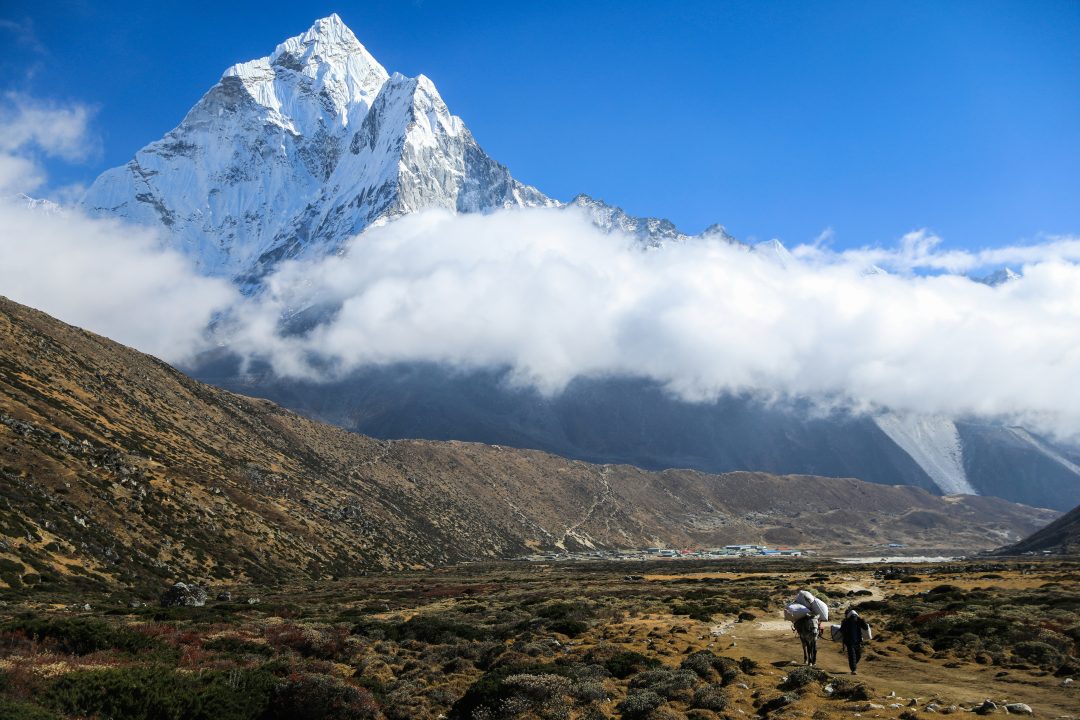

At the center of the towering Himalayas lies the trekker’s and nature lover’s paradise: the Everest Base Camp. At an elevation of 17,598 feet (5,364 meters), this fantasy trek offers more than breathtaking scenery. It’s a chance to tread in the paths of iconic mountaineers, learn about the ancient traditions of the Sherpas, and feel the thrill of being at the foot of Mount Everest, the world’s tallest mountain.
Everest Base Camp trekking isn’t merely a matter of walking; it is a once-in-a-lifetime adventure filled with challenge, tranquility, and beauty. With the dynamic landscapes and enchanting mountain villages, the breathtaking glaciers, and the trails adorned with prayer flags, every step of this iconic trek is an epiphany.
Whether you’re a seasoned trekker or taking your first high-altitude adventure, the Everest Base Camp trek is a once-in-a-lifetime opportunity to push yourself, be awed by Nepal’s beauty, and create memories that will last a lifetime. Read on to learn how to prepare, what to expect, and why this trek needs to be on your 2026 bucket list.
The EBC trek is a bucket list item for thousands of adventurers globally. Here are some of the major attraction that you love during the Everest base camp trek:
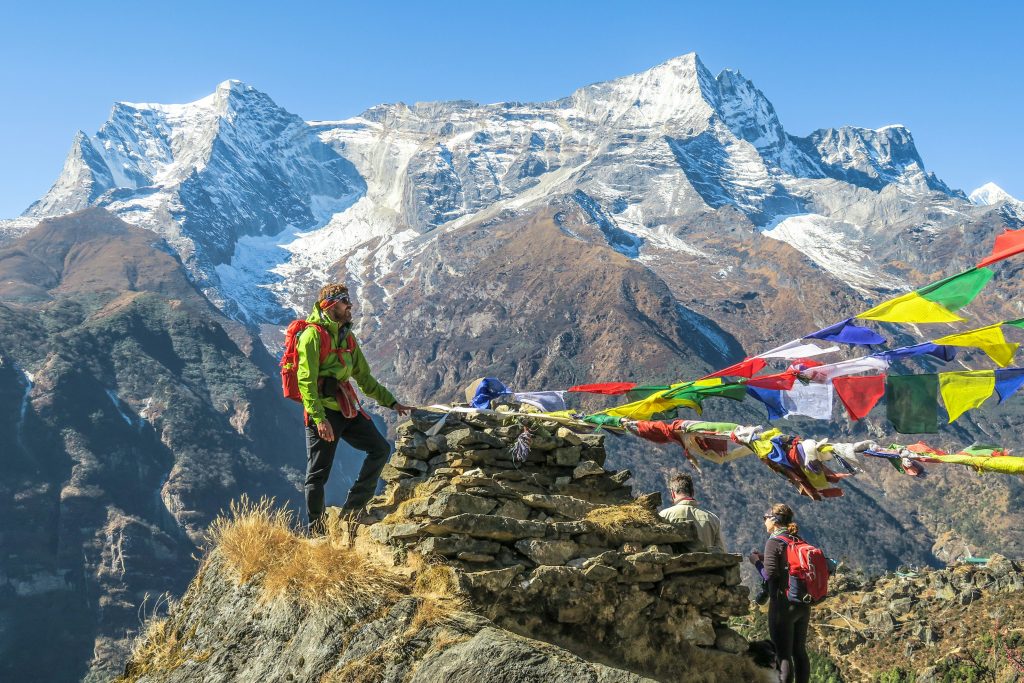
The Everest region is home to some of the tallest mountains in the world. Beyond the towering Mount Everest (8,848m), you’ll get the opportunity to witness other iconic peaks like Lhotse, Nuptse, Ama Dablam, and Thamserku.
Some of the best vantage points include:
Kala Patthar (5,550m): Popular for the most famous viewpoint on the EBC trek, it offers unparalleled views of Everest. Also the golden sunrise view from here is absolutely magical.
Tengboche Views: From this view point you’ll be greeted with panoramic vistas of Ama Dablam and other nearby peaks.
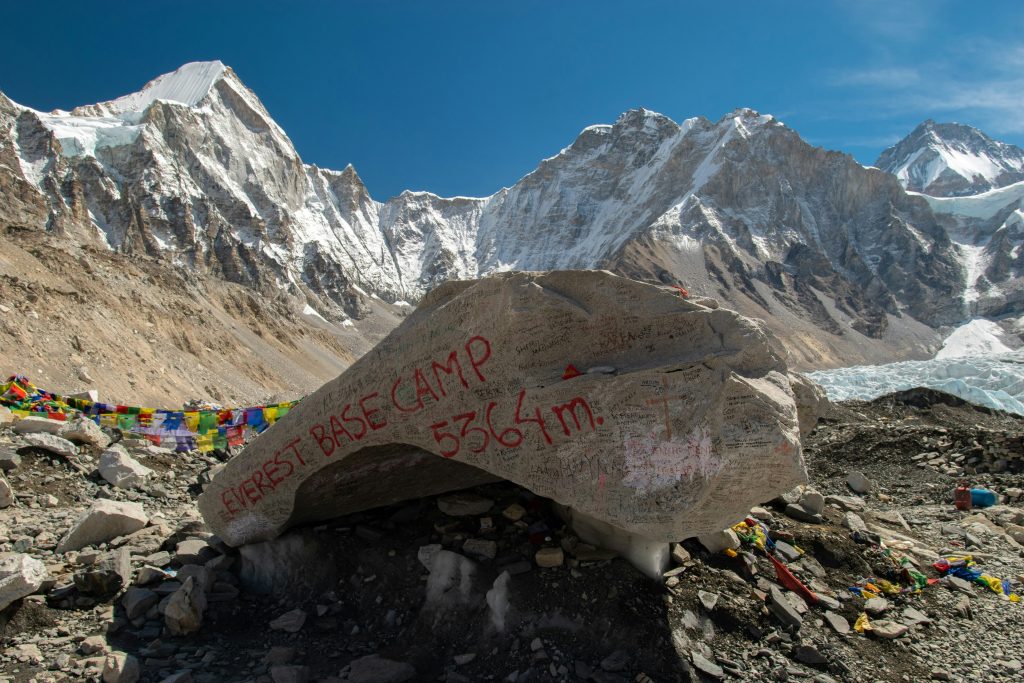
Many people dream of reaching Everest Base Camp (5,364m), and it is very extraordinary to be at the entrance to the highest peak in the world. The surrounding beauty from the base camp and watching the climber group camping here who are heading for the Everest expedition make it even more special.
The Khumbu region is home to the Sherpa people, who are renowned for their mountaineering expertise and warm-hearted hospitality. Along your trek, you’ll pass through traditional Sherpa villages like Namche Bazaar, Khumjung, and Dingboche.
Another best part of the Everest base camp is the cross the thrilling suspension bridges high above rushing glacier-fed rivers. Among these is the famous Hillary Suspension Bridge, which carries the name of Sir Edmund Hillary, the first person to reach the top of Mount Everest.
The tea house on the Everest base camp trekking routes are one of the most established and offer cozy accommodation and delicious meals. Everest base camp trek is also called tea house to tea house trek. It’s fascinating to spend a chilly evening with your trekking groups in the cozy dining area while eating Sherpa stew from a bowl and a fire.
On this 12 Days Everest base camp trek you will pass through various landscapes. From greenery in the lower land to the alpine zone at higher altitude is dramatically beautiful. The change in the scenery in every step you take during the trek is full of adventure. EBC trek is best place to capture the every moment in the video or photography in your device
Everest base camp lies inside the Sagarmatha National Park which is also UNESCO WORLD HERITAGE SITES of nepal. This national park is a home of unique Himalayan wildlife, such as the elusive snow leopard and red panda. Also you can spot various species of flora and fauna during the trek.
Duration: To complete the Everest base camp trek, you will need 12 days of vacation.
Physical Fitness: A moderate level of physical fitness is required. Best for beginner trekkers, if you are a first-time trekker, it requires careful planning, proper training, and a good level of fitness.
Health Condition: Trekkers must be in good shape. If you have any underlying health conditions, consult with your doctor first.
Age requirements: No age restrictions. The youngest hiker was a two-year-old from Scotland, and the oldest hiker was eighty years old.
Daily walking hours: Trekkers must be able to walk for 6 hours on average during the trek.
Passport: Foreign trekkers must have a valid passport( at least six months of validity)
Health and Travel Insurance: Highly Recommended
Getting ready and preparing for your dream trip to the Everest Base Camp (EBC) is not merely preparation. Choosing the most appropriate time to go can truly make or break your adventure of this iconic Himalayan trek.
The ideal time to trek to EBC is between March to May and September to November. These two periods of time offer you ideal weather, clear blue skies, and majestic vistas of the world’s highest mountains like Mount Everest, Ama Dablam, and Lhotse.
Spring (March to May) is filled with blooming rhododendrons and foliage, and the trails are simply scenic. Similarly, autumn (September to November) is treated to crisp air and consistent weather, perfect for spectacular Himalayan views.
While there is another experience in winter and monsoon periods, they also have added disadvantages of snow-covered trails and heavy rainfall. Plan your trek during peak seasons for an unforgettable experience.
| Season | Months | Average Temperature (Summit) | Key Characteristics |
| Spring | March – May | -18°C to -25°C (-0.4°F to -13°F) | Optimal climbing season with mild weather – Clear skies and reduced winds – Temperatures slowly rise from March to May. |
| Summer (Monsoon) | June – August | -15°C to -20°C (5°F to -4°F) | Warm temperatures at lower altitudes – Heavy precipitation and cloud cover – Dangerous avalanches caused by snow saturation. |
| Autumn | September – November | -20°C to -23°C (-4°F to -9°F) | Popular post-monsoon climbing season – Clear and stable weather conditions – Reduced precipitation and stronger winds in late autumn. |
| Winter | December – February | -37°C to -40°C (-35°F to -40°F) | Harshest weather conditions – Extremely cold temps at all altitudes – Strong hurricane-like winds reaching up to 285 km/h. |
Check also: Complete Guide on Luxury Everest base camp trekTrip to Everest base camp and exploration of the Khumbu region starts from the Lukla. To reach Lukla airport you need to take a flight so here’s what you need to know about flights.
During the peak trekking season, direct flights from Kathmandu to Lukla are unavailable due to increased demand and air traffic. Instead, travelers are advised to fly from Ramechhap’s Manthali Airport, located about a 4-5 hour drive from Kathmandu. While this adds an extra step, the flight from Ramechhap to Lukla is a swift 20 minutes.
For your smooth experience Everest Delight will arrange a private vehicle to transfer to Ramechhap Manthali airport. Since during the peak season Lukla flight seats fill quickly, we suggest you book the Everest base camp trek package in advance.
Trekkers to Everest Base Camp can expect simple, authentic, and energy-packed meals. They are mostly from Nepali and Tibetan cuisine, with western-style foods on the menu of tea houses. In this article, we cover the delicious options and dining encounters you will enjoy on the EBC trek, and some tips that are an absolute must to make the experience even better.
Here’s what you need to know about your mealtime on the trek:
Breakfast: Usually consists of options like porridge, muesli, toast with jam or honey, eggs (boiled, scrambled, or fried), and pancakes. Some tea houses might even offer Tibetan bread or chapati for added variety.
Lunch: Stop at a tea house for meals like dal bhat (Nepal's staples of rice, lentil soup, and vegetable curry), noodles, spaghetti, fried rice, or momos (Nepali dumplings).
Dinner: Dinner options are similar to lunch but with additional hearty offerings like Sherpa stew, pizza, or even yak steak in some destinations!
Hydration and Drinks: Boiled drinking water is available at tea houses for a small fee. Additionally, staple beverages like black tea, ginger tea, and lemon tea are popular choices to stay hydrated and keep warm.
Don’t forget, Everest Delight arranges three wholesome meals daily to keep you trekking with ease.
Tea houses are the most common form of accommodation on the EBC trek. These are basic but comfortable lodgings primarily run by local families. They provide everything a trekker needs to rest and recharge after a day of hiking. Rooms are typically simple, with single or twin beds, blankets, and pillows.
Facilities to Expect in Tea Houses:
Wi-Fi Services: Tea houses along the trail often offer Wi-Fi services for a fee.
Hot Showers: The tea house will provide you hot showers, which are frequently generated using solar energy.
Electricity: Charging electronic devices like cameras and phones is possible at most tea houses. However, expect to pay a small fee per device, which also increases with altitude. Bringing a power bank for emergencies can be a lifesaver.
Basic Rooms: Rooms are simple yet functional, with wooden beds, foam mattresses, and heavy blankets provided to keep you warm. It’s advisable to pack a sleeping bag, especially for higher altitudes where temperatures drop significantly at night.
Toilets: There will be shared toilets which are often squat types.
The Everest Base Camp (EBC) trek is considered moderately challenging to strenuous according to the difficulty level. But the actual difficulty depends upon your fitness level and how much you prepared in advance for the trek.
Here’s what makes the trek challenging:
Key Challenges on the Everest Base Camp Trek
Here are some of the challenges that you can arise during the Everest base camp trek. Knowing these challenges helps you to prepare and mitigate risks.
1. Altitude Sickness: Some trekkers might face difficulty during the trek due to altitude sickness when trekking above 3,500m. Neglecting the early symptoms can lead to an advanced form of altitude sickness(HAVE or HAPE) , which could be fatal if untreated.
How to Manage It: Follow proper acclimatization plan.
2. Weather Extremes: At the high altitude due to unpredictable weather even though you trek in the best season still you might need to encounter snow, rain, or freezing temperatures.
How to Manage It: Pack clothes and gear that suits all weather conditions. Be prepared for sudden weather changes.
3. Limited Amenities: At the lower altitude there is a standard single room with an attached bathroom with facilities like a heating blanket. But at higher altitude this facilities is limited
How to Manage It: We suggest you carry a good-quality sleeping bag, power bank, extra layers, and keep cash handy for purchasing additional services like Wi-Fi or hot water showers.
4. Physical Fatigue: Trekkers need to travel an average of 10 miles (16 km) a day on rugged trails. Ascending and descending at high altitudes can wear down even seasoned hikers.
How to Manage It: Train in advance with a focus on cardio, strength, and endurance. Trekking with a guide ensures you conserve energy and maintain a good pace.
When you are travelling in a high altitude area like Everest base camp the chances of catching altitude sickness(AMS) is real. First time or beginner trekkers may not know about it. Altitude sickness happens when your body cannot adopt high altitude due to low levels of oxygen. Headache, Nausea, loss of appetite, Dizziness, Fatigue are the early signs of altitude sickness.
To prevent or minimize the risk of altitude sickness you can follow this acclimatisation steps:
Yes, when you choose the Everest delight you can upgrade your Everest base camp trek into luxury. On this luxury Everest base camp trek you will get the 5 star hotel in Kathmandu and the best lodge during the trek. You can also use the helicopter to shorten the trek. We also provide Everest base camp private trek to our client. For more details you can contact our tour operator.
If you are physically healthy and have a vacation of two to three weeks, you can add a side excursion to the Everest base camp treks. This side trip will add excitement and thrill to your Everest base camp trek, making it more unforgettable. Here are the list of side trip in Everest region:
Whether you’re trekking during the sunny spring or braving chilly autumn evenings, this list has you covered to help make your expedition a memorable experience.
Layering is key for the Everest trek due to fluctuating temperatures at different altitudes.
Your feet will carry you through rocky paths and steep climbs. Give them all the comfort and protection they need.
Carrying and organizing your gear efficiently is critical.
Make sure you wake up refreshed every morning to tackle the trails.
These lightweight items can significantly enhance your trekking experience.
Altitude can be dehydrating, so staying hydrated is critical.
Personal hygiene and a basic first-aid kit are essential at high altitudes.
Capture memories and stay connected, even while exploring the Himalayas.
Note: For the budget-friendly trekkers, renting can be the best option for you. You can rent gear items at a cheap price from the rental shop in Thamel.