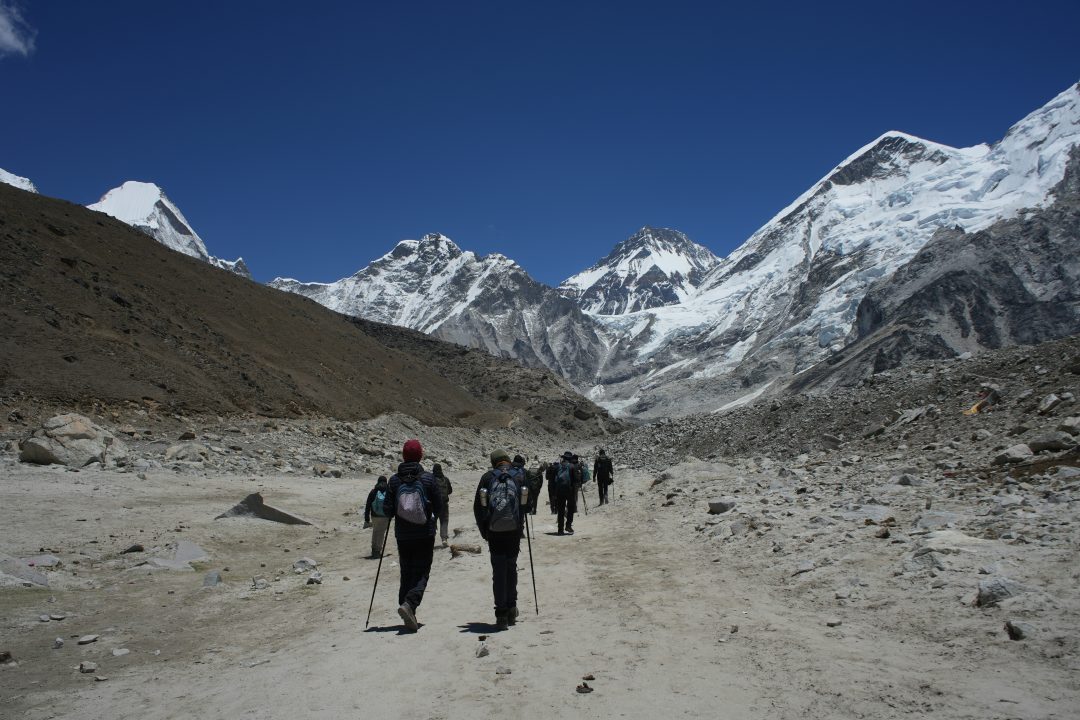

The extreme adventure of the Everest region trekking is the Everest Three Passes Trek. It is an exciting 16-day trek, which is ideal when fears want to meet challenges beyond the usual Everest Base Camp trek. The route has three major high passes to cross: Kongma La (5,535m), Cho La(5420m), and Renjo La(5340m). This makes it one of the most scenic routes in the Himalayas.
This trek is also referred to as the EBC 3 Passes Trek, and it ties the most alluring spots of the Khumbu region, which are: Everest Base Camp, Gokyo Lakes, Gokyo Ri, and other major scenic spots of the Khumbu region like Kala Patthar. It is perfect for individuals who desire to enjoy the complete loop of the Everest High Pass Trek with fewer crowds and greater scenery.
Are you interested in doing the full Everest 3 High Pass Trek or wondering about the Three Passes Trek itinerary? This trip will give you a taste of all of them: glaciers, mountain vistas, alpine valleys, and local Sherpa culture.

It all starts with an action-packed mountain flight to the most adventurous airstrip in the world in the town of Lukla. This 25-30 minute flight provides an outstanding aerial landscape of the Himalayas, steep-sided valleys, and zigzagging rivers. It prepares the mood for your Everest Three Passes Trek tour. The Trek begins formally with the dramatic landing at Lukla.
Everest Three High passes Trek gives an opportunity to cross the renowned passes, such as Kongma La (5,535m), Cho La (5,420m), and Renjo La ( 5,340m). These treks provide trekkers with steep terrain and rocky treks to the top; however, the views that are presented are worth their weight in gold. The Trek runs through valleys interconnecting various parts of the Everest region and provides the Three Passes Trek with an adventure scope. It is perfect for anyone who desires to have a full Himalayan experience.
An Everest region trip would not be complete until you have made it to the Everest Base Camp. Standing at the base camp of the world’s highest peak is the dream of many trekkers around the globe. Also, you will hike to Kala Patthar( 5,644 m), which is near the base camp, to witness the sunrise view over Mt. Everest. These landmarks are key highlights of the EBC Three Passes Trek.
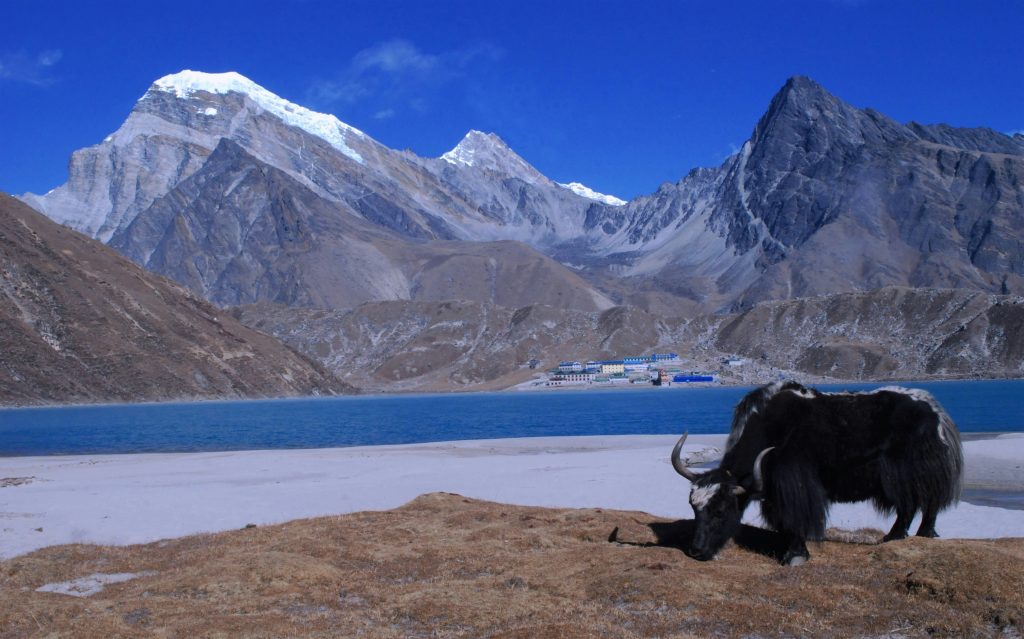
The Gokyo Lakes are a stunning set of turquoise glacial lakes, sitting peacefully beneath towering peaks. Trekkers also hike Gokyo Ri, which provides a 360° view of four 8,000-meter giants: Everest, Lhotse, Makalu, and Cho Oyu. This area is a gem of the Everest 3 Passes Trek, often less crowded than the Everest Base Camp trail. It combines natural beauty with serene alpine vibes.

Explore traditional Sherpa villages like Namche Bazaar, Thame, Dingboche, and Lobuche during your journey. Experience warm hospitality, local lifestyles, and Buddhist traditions that define the Everest region. This cultural immersion makes the Everest Three Passes Trek more than just a physical journey. From prayer flags to yak caravans, every step feels authentic.
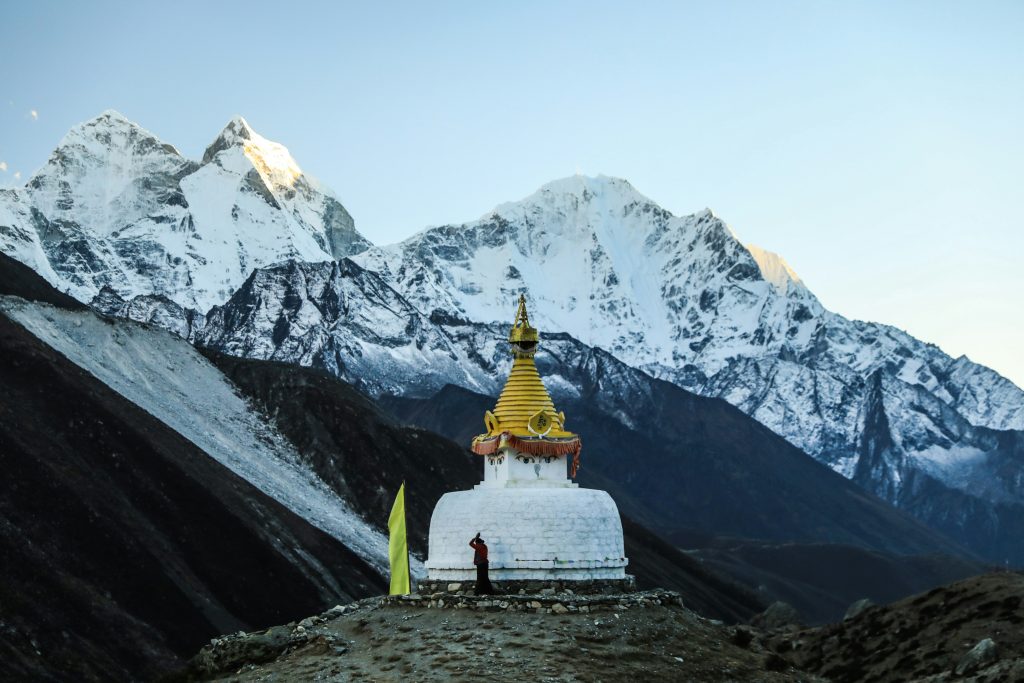
Set against the backdrop of Ama Dablam, Tengboche Monastery is the spiritual heart of the Khumbu. It’s one of the most famous Buddhist monasteries in Nepal and a peaceful stop during the Trek. Many trekkers visit for morning prayers or panoramic views of Everest and the surrounding peaks. It adds a spiritual layer to the Everest High Pass Trek experience.
Cross the massive Khumbu Glacier and Ngozumpa Glacier, the largest in the Himalayas. These icy giants are a highlight of the Three Passes Everest Trek, offering dramatic views and photo-worthy terrain. Walking across creaking glaciers and rocky moraines is both surreal and exciting. It’s a true alpine adventure in every sense.
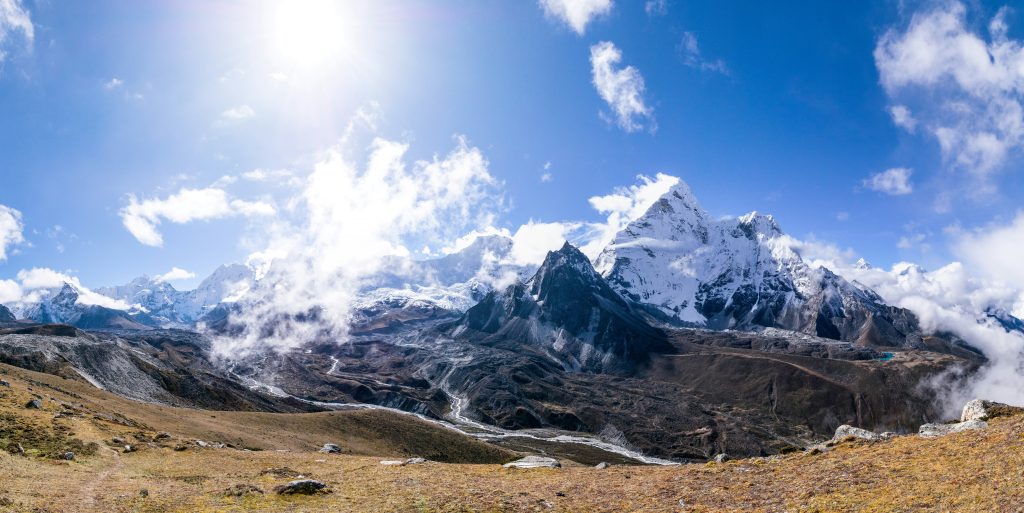
Enjoy unmatched views of Mount Everest, Lhotse, Makalu, Cho Oyu, Ama Dablam, and other Himalayan giants. Every pass and viewpoint on this Trek opens up to new angles of snow-capped peaks. The Everest 3 Passes Trek is a photographer’s dream with picture-perfect landscapes in every direction. Sunrise and sunset moments will stay with you forever.
Duration: To join this 16-day Everest Three Passes trek package with Everest Delight, trekkers must have at least this amount of time available.
Age requirement: There is no age restriction for this trek, but due to its tough nature, we adjust this trek for the age above 16 years old.
Experience: This trek is suitable for those who have previous high-altitude trekking experience. Beginner trekkers can also join this trek with enough preparation by maintaining a good fitness level. The 3-pass trek is not for first-time trekkers.
Fitness Criteria: All the participants must be able to walk for an average of 6-7 hours daily in tough terrain conditions.
Health conditions: Trekkers must be in good shape with no history of altitude sickness and no underlying serious health conditions. We request our participants to have a full body check-up before heading for this trek.
Travel insurance: Mandatory when you book with us.
What to expect: Prepare for the challenge and expect basic facilities.
Island Peak weather: Spring (March to May) and autumn (September to November) are the best times; however, if you are highly experienced, you can do it throughout the year with careful preparation.
The Everest Three Passes trek ranks as the top challenging trek in the Everest Region as it combines three major high mountain passes(Kongma La, Cho La, and Renjo La). It is good to know the best time so that you can plan to fix your date for trekking. Let’s see about each season around the Everest Three Passes trek to know weather conditions and trail accessibility to visibility, and safety.
Spring is considered the most popular season for the Everest Three Passes trek due to various good reasons.
Weather Conditions: The average daytime temperature during the day is 0-15°C during the day at lower elevations, dropping to -15°C at night on high passes. You can expect snow at high altitudes in early March, and during April and May, the snow starts to melt, which means winter snow starts to melt.
Visibility: Most of the time, the sky remains clear with good mountain visibility and minimal cloud cover. Trekkers can enjoy stunning views of Everest, Lhotse, Makalu, and Cho Oyu.
Trail Conditions: Trail conditions improve significantly from March onwards; however, in higher sections, you still need to be careful due to residual snow and ice.
Another good time to do the Three Passes trek is during the autumn. Stable weather with rare chances of rainfall and the festive season, most trekkers love to trek in this season.
Weather Conditions: The daytime temperature remains mild, ranging from 12-18°C at lower elevations, while temperatures drop to -10°C to -20°C on high passes at night.
Visibility: In the remote areas, the weather is clear, and the atmosphere remains dust-free. You can expect a clear view of the beautiful surrounding landscape and mountain peaks.
Trail Conditions: The Three 3 Pass trail conditions remain perfect for trekking during the autumn.
Winter is the most challenging season for the Everest Three Passes trek due to extreme weather and significant risks. If you are an alpine hiker and have basic mountaineering skills, then we suggest you take this trek in winter.
Weather Conditions: Temperatures drop to -20°C during the day and -30°C at night on high passes. You can expect heavy snowfall at high passes, which can be extremely dangerous or completely impassable.
Accessibility: Flight delays and cancellations to Lukla become frequent due to poor weather conditions. Emergency evacuation becomes extremely difficult.
The pre-monsoon starts from June, and from July, the main monsoon starts till August. During the monsoon, you can expect heavy rainfall at the lower altitudes, which adds difficulty and makes it challenging.
Weather Conditions: You can expect sudden changes in the weather conditions due to rainfall. Trekking can be hard due to the extreme heat on sunny days.
Visibility: Due to unstable weather conditions, the visibility is not fixed. You may get some clear days, but there can also be cloudy and rainy days that block the mountain views.
Trail Conditions: Muddy, slippery trails increase accident risks. Also, the flash floods due to glacier bursts and heavy downpours are common in the monsoon in Nepal.
| Season | Daytime Temperature | Nighttime Temperature | Weather Highlights |
| Spring (Mar-May) | 10°C to 20°C (lower altitudes), -5°C to 10°C (higher altitudes) | -10°C to -15°C (higher altitudes) | Clear skies, blooming rhododendrons, mild temperatures, occasional late-May rain. |
| Summer/Monsoon (Jun-Aug) | 15°C to 25°C (lower altitudes), 5°C to 15°C (higher altitudes) | 0°C to 5°C (higher altitudes) | Heavy rainfall, muddy trails, reduced visibility, lush greenery. |
| Autumn (Sep-Nov) | 10°C to 20°C (lower altitudes), -5°C to 10°C (higher altitudes) | -10°C to -15°C (higher altitudes) | Stable weather, clear skies, vibrant views, peak trekking season. |
| Winter (Dec-Feb) | 5°C to 10°C (lower altitudes), -10°C to -5°C (higher altitudes) | -15°C to -20°C (higher altitudes) | Cold temperatures, snowfall, icy trails, fewer trekkers, clear skies. |
| Permit | Cost for Foreigners | Purpose | Where to Get |
| Sagarmatha National Park Entry Permit | NPR 3,000 (approx. USD 25) | Entry to Sagarmatha National Park | Nepal Tourism Board Office (Kathmandu) or at Monjo checkpoint |
| Khumbu Pasang Lhamu Rural Municipality Permit | NPR 2,000 (approx. USD 15–17) | Local government fee to enter the Khumbu region | At Lukla or Monjo checkpoint |
Notes: Everest Delight will arrange all the required permits for our trekkers, and the cost will also be included in the trekking package.
When you book the Everest Three Passes Trek with us, we provide a special discount if you are in a group. The cost of the package depends on your group. You can even make a booking for the year 2027 at the cost of 2026.
| Group Size | Cost Per Person (USD) | Inclusions |
| Solo Trekker (1 Pax) | $2,150 | Private guide, porter, permits, flights, all standard inclusions |
| 2 Trekkers | $1,780 | Shared guide & porter, twin-sharing rooms, all inclusions |
| 3–4 Trekkers | $1,620 | Group discount applied, standard inclusions |
| 5–7 Trekkers | $1,490 | Better value, guide & assistant guide, standard inclusions |
| 8+ Trekkers | $1,390 | Group leader free (9th person), extra assistant guide included |
Travellers note: Check your language weight limit for the flight and pack the things accordingly. You need to be in the airport one hour before your departure time.
Acclimatization Hike Options:
Note: This is a long and demanding day. Check your health conditions all the time and if you find any difficulty inform your trekking guide immediately.
Note: Though you won’t see Everest from base camp, the experience of standing there is unforgettable. You can expect a crowd as there will be a lot of trekkers and Everest expedition groups so start early for the best views and to avoid crowds.
Note: Kala Patthar is the highest point of the trek and can be very cold in the early morning. Carry water and snacks for both the hike and trek as the day is long and challenging
Note: Cho La Pass can be icy and slippery — crampons or microspikes are recommended. Weather can change quickly so prepare for the early start to avoid afternoon snow or wind.
Important Notes: Early start is essential due to possible high winds or snow in the afternoon. Renjo La is steep and can be icy — use trekking poles and take breaks
Note:You can celebrate your final night in Lukla with your trekking team after successfully completing the Everest Three Passes Trek. It’s a great time to relax, share stories, and enjoy your achievement before flying back.
Note: Once you land in the airport we will receive you and transfer you to the hotel.
The Everest Three Passes Trek is considered challenging and best for experienced trekkers. This trek includes crossing three high mountain passes — Kongma La (5,535m), Cho La (5,420m), and Renjo La (5,345m) — making it tougher than the standard Everest Base Camp trek.
Below are the major factors that affect its difficulty:
On this Everest three pass trek, you will cross three high mountain pass: Crosses three high passes: Kongma La (5,535m), Cho La (5,420m), and Renjo La (5,345m). Also, you will hike to Kala Patthar, which has an altitude of 5,644 m. While walking at such a high altitude, you can sometimes be affected by altitude effects such as altitude sickness.
To complete the Everest Three Pass trek, you need to have a longer holiday, that is, a minimum of 16 days. You need to walk for an average of 5-6 hours daily, and sometimes 7-8 hours, which demands good physical endurance.
Everest 3 Passes trekking routes include glacier crossings, rocky paths, and steep ascents/descents. Some sections can be icy or slippery, especially over the passes. Trekkers need to be very careful, with careful footing and occasional scrambling.
The weather conditions at the lower altitude in the Everest region depend upon the season, but at the higher altitude, most of the time it remains cold and freezing. Also, sudden snowfall or high winds are common in the high Himalayas. The weather can affect the three passes trek itinerary, causing delays. Always plan 1–2 extra buffer days in your EBC 3 passes trek for safety and flexibility.
Some trails are less marked, especially around the 3 passes Everest trek route. Fewer teahouses and support services compared to the EBC trek. Solo trekking is not recommended without proper experience or a guide.
The three passes trek cost is higher due to length, remoteness, and gear needs. Extra costs for guides, porters, and gear like crampons (seasonal)
Proper preparation helps make your journey safer, smoother, and more enjoyable, allowing you to enjoy the adventure without unnecessary stress or risk. Here are some of the professional ideas and tips to prepare for the Everest 3 passes trek;
Train at least 8–12 weeks before the trek. Focus on cardio (running, hiking, cycling), leg strength, and endurance. Practice long hikes with a backpack (5–7 hrs) to simulate trekking conditions.
Trek includes elevations over 5,500m (e.g., Kongma La, Cho La, Renjo La). Prepare with high-altitude hikes if possible. Learn about AMS (Acute Mountain Sickness) and how to prevent it.
Trekkers need to pack important items like a down jacket, sleeping bag (-20°C), trekking boots, including layered clothing, gloves, thermal wear, sunglasses, and sunblock. You can carry crampons/microspikes for icy sections. If you are a beginner trekker, then you can follow a detailed Everest three passes trek packing list.
Before undertaking, we suggest you review the three passes trek itinerary carefully. Understand key points such as Gokyo, Everest Base Camp, Chhukung, Dzongla, and Marlung. For your convenience, you can download or carry a three-pass trek map.
The Everest base camp 3 passes and crosses remote, less-marked trails; therefore, it is highly recommended to hire a guide or porter to improve safety and support local jobs. This three-pass trek is not recommended to attempt solo unless experienced.
Only trek in the best trekking season, Spring (Mar–May) and Autumn (Sept–Nov), to avoid the unnecessary challenge. Even though you are trekking in the best season, sometimes the weather can be unpredictable, so make sure to check the weather forecast before travelling. Add 1–2 extra days to your plan in case of delays due to snow or wind.
Yes, it is possible to do the Everest 3 Pass Trek solo, but it’s not recommended unless you are an experienced high-altitude trekker.
Lukla is the starting point for the Everest Three Passes Trek, and to reach Lukla, you need to take a flight, as the road connecting Lukla is not in good condition. As per the new aviation law, travellers who are heading for Lukla in peak season (March–May & September–November) need to take a flight from Manthali airport. To reach the Manthali airport, we will arrange ground transportation for you. The driving hour to reach the Ramechhap Manthali airport takes around 4.5 to 5.5 hours, depending on traffic. The road is narrow, winding, and passes through hilly terrain. It is mostly blacktopped but curvy and bumpy in some sections.
In off-season months (typically December to February & June to August), you can book a direct Kathmandu to Lukla flight. To reach the Kathmandu airport, we will arrange for you private transportation with pick up service from your Hotel.
Note: You might have seen trekking traffic in the Everest region — that’s how busy it gets during peak season. For this reason, we strongly suggest booking your Lukla flight in advance to secure your seat and avoid delays.
Everest Delight has completed the Everest 3 Passes trek hundreds of times with our expert teams. We guarantee that your trek will be a safe, comfortable, and well-managed experience throughout the Everest Three Passes Trek. From the day of arrival to departure, we will take care of you and provide 24-hour support to ensure everything runs smoothly.
Altitude sickness is also known as AMS (Acute Mountain Sickness). It happens mainly due to gaining altitude too quickly at high altitude, and your body cannot adjust to high altitude due to the low level of oxygen in the air. Early symptoms of AMS are headache, nausea, dizziness, loss of appetite, and fatigue.
The Everest Three Passes Trek takes you to altitudes over 5,500 meters. The major risk zones are Chhukung (4,730m), Lobuche (4,910m), Everest Base Camp (5,364m), Kala Patthar (5,550m), Cho La, Kongma La & Renjo La Passes.
Here are the preventive measures to prevent altitude sickness during the 3 passes trek:
Travel insurance is a must for the foreign trekker who wants to undertake the Everest High Passes trek with Everest Delight. We want you to be safe, and having insurance can protect you from financial burden and ensure you receive immediate medical assistance if needed. Here are things that your insurance must cover:
The booking process is easy; you have to click on the book now, which you find on the top right side of the Everest Three Passes Package. Then you can fill in the required information and send it to us. We will contact you to share further details about the trip, and you can let us know if you have any questions or special requests. To book your seat, you need to make an advance payment of 40% of the total trip cost.
To make a payment, you can use any of the following methods:
If you want to cancel the trip after you make a booking, as per our company rules, there will be no refund, but you can use it as a lifetime deposit. If you need to leave the trip early in the middle of the journey, there will be no refund for the days you didn’t trek.
Packing right is key for completing the Everest 3 High Passes Trek safely and comfortably. The weather can be unpredictable, especially at high altitudes, so having proper layers and reliable gear matters.
Note: Everest Delight will provide you with a duffel bag and a sleeping bag for the trek. If you need any additional gear, you can either buy or rent equipment from the many trekking shops in Thamel, Kathmandu. Our team is always available to assist you with gear recommendations, shopping support, or anything else you may need before the trek.