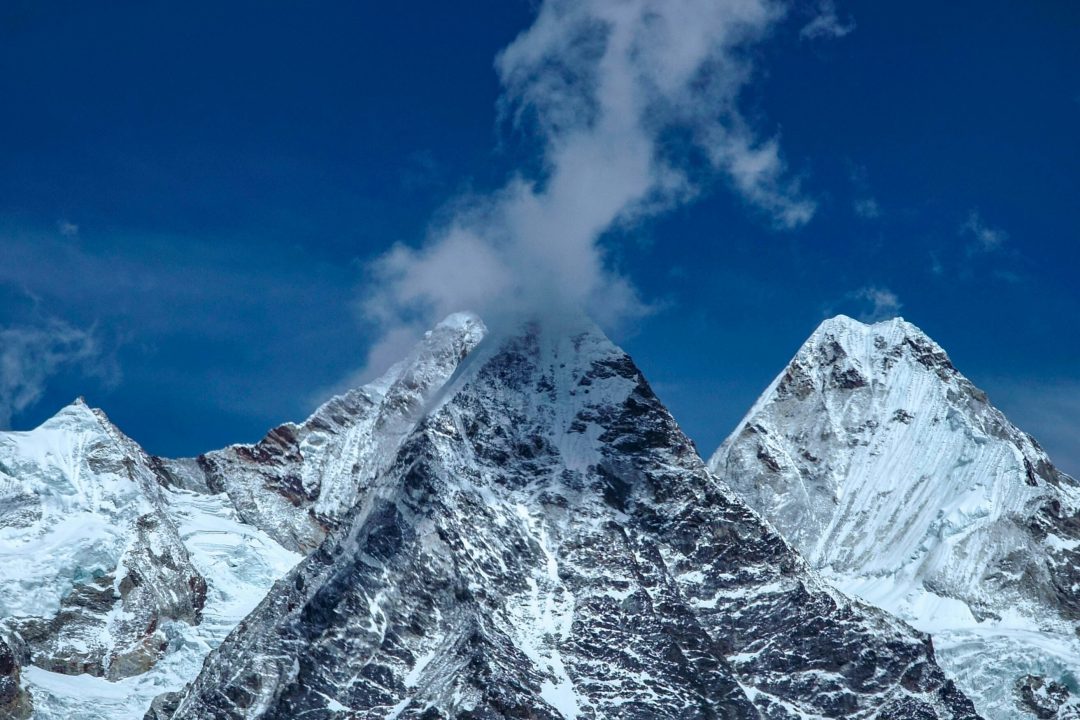

Mera Peak Climbing - 14 Days

Mera Peak Climbing

Mera Peak Climbing Highlights

  • Enjoy the aerial view from the window seat of a domestic plane during the scenic flight to Lukla.
  • Trek through the lush green forest, terraced hillsides, riverside, high hills, and a Sherpa village.
  • Get to know about Sherpa and Buddhist culture.
  • Enjoy the delicious local meal prepared in the tea house by local people using fresh ingredients
  • Witness the raw beauty of the Everest Region
  • Jaw-Dropping Views of the Highest Mountains in the World - Everest, Lhotse, Makalu, Cho Oyu, and Kanchenjunga
  • Summit of the Mera Peak with the team and return with a proud moment.
  • Capture countless photos and videos from the breathtaking viewpoints.
  • Chances to meet other trekkers and climbers who are heading to the destination in the Everest region
  • Enjoy mountain wildlife during the trek.
  • Duration14 Days
  • Max. Altitude6,476 m(21,247 ft)
  • Trip GradeChallenging
  • Group Size -
  • Meals Breakfast, Lunch and Dinner
  • AccommodationTea house And Camping

The 14-day Mera Peak Climbing takes you to Nepal’s highest trekking peak of Nepal, Mera Peak, which stands at an altitude of 6,476 m(21,247 ft). Mera Peak is located in the Solukhumbu region, which lies within the Mahalangur Himal section and close to Makalu Barun National Park.

Mera Peak is situated approximately 22 km south of Mount Everest, the world’s highest peak, in Nepal. Your Journey of Mera Peak Climbing journey starts from Kathmandu by taking a scenic 30-minute flight to Tenzing Hillary Airport( popularly known as Lukla airport).

Our professional climbing Sherpa Guide and other crew staff will lead this guided Mera Peak Climbing. Under the guidance and assistance of our team, you will trek through several Sherpa villages of the Khumbu region. Staying at the comfort tea house and enjoying the view for several days, on the 10th day of the journey, you will reach the summit of Mera Peak. 

During the climbing journey, you will enjoy the beautiful landscape of the Everest region, witness the highest mountain in the world, including several towering mountain peaks. You will experience the Himalayan beauty, local Sherpa culture, tradition, lifestyle, and more.

After successfully completing the summit, you will trek back to Lukla and take a flight from Lukla Airport to Kathmandu.

Mera Peak Climbing’s Main Attraction

Panoramic View of Five 8,000m Peaks:

Mera Peak Climbing
Breathtaking 360° view from Mera Peak—featuring Everest, Lhotse, Makalu, Cho Oyu, and Kangchenjunga rising above the Himalayan skyline.

From the summit of Mera Peak (6,476m), climbers can witness breathtaking views of Everest, Lhotse, Makalu, Cho Oyu, and Kanchenjunga — five of the world’s highest mountains. Additionally, you will have panoramic views of other peaks like Ama Dablam, Baruntse, Nuptse, and Charpate Himal.

Highest Trekking Peak in Nepal:

Mera Peak is considered the highest trekking peak in Nepal, making it a perfect adventure for climbers seeking high-altitude experience without extreme technical challenges. Some climbers also use this peak as a training peak before heading for the big expeditions like Mount Everest and Annapurna.

Scenic and Diverse Route:

The trail passes through remote Sherpa villages, lush rhododendron forests, high alpine landscapes, and glaciers, offering both cultural and natural beauty throughout the journey. The eye-catching scenery of the mountain peak and the surrounding area is indescribable in words. Every step on this journey feels like you are traveling in another world.

Rich Sherpa Culture and Traditions:

The route takes you through traditional settlements like Lukla, Khare, and Tangnag, where you can experience warm Sherpa hospitality and local Himalayan culture. The Sherpa people are known as the guardians of the mountain, and only with their help can this beautiful adventure be possible.
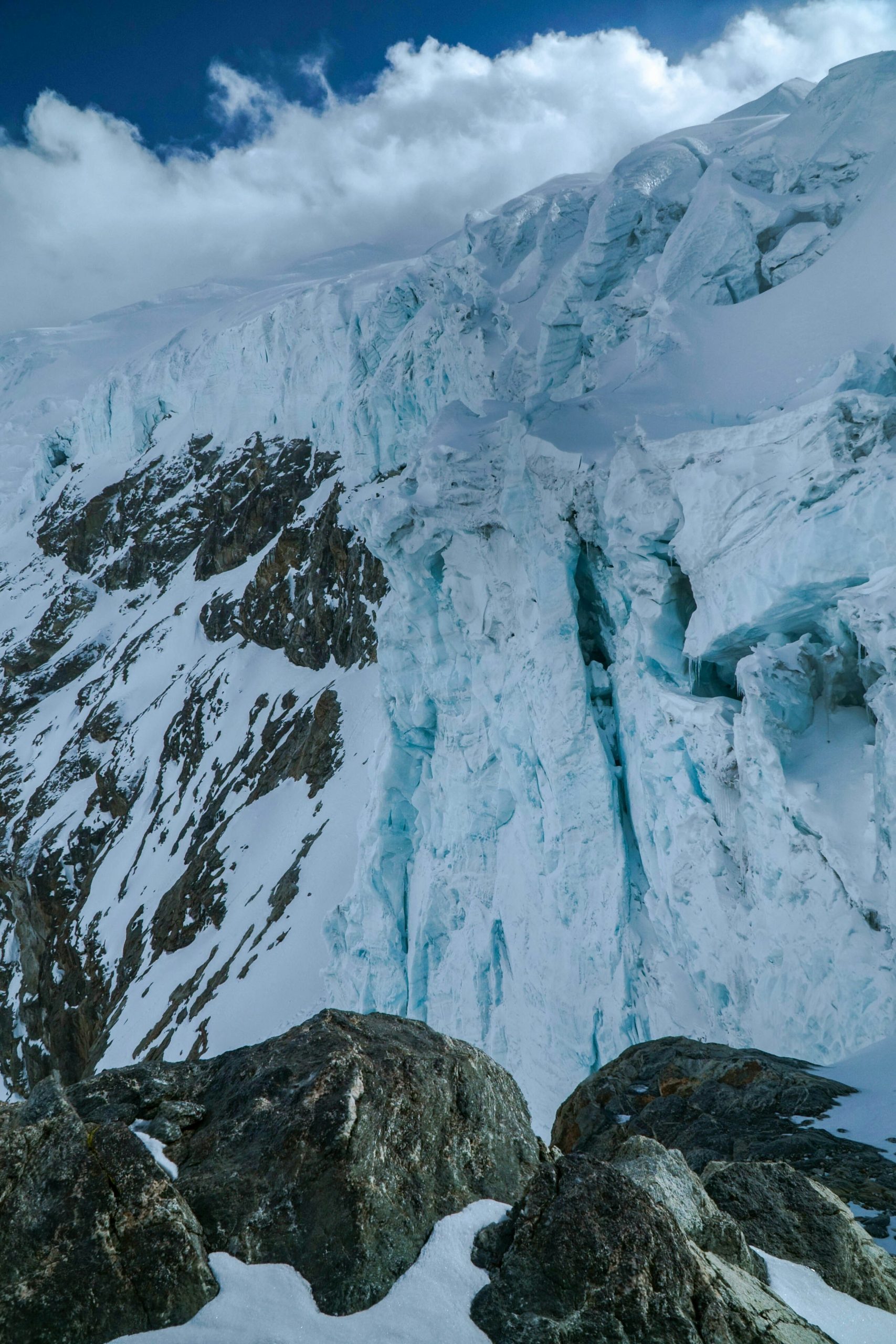
Thrilling Glacier and Summit Experience:

Mera Peak Climbing
Glacier falls. The Himalayas. Nepal

The final ascent over Mera Glacier and the snow-covered summit ridge offers a real sense of mountaineering adventure with a rewarding panoramic view from the top.

Less Crowded and Peaceful Trail:

Unlike other popular peaks like Island Peak, Mera offers a quieter and more authentic Himalayan experience, away from the crowds.

Find Out If Mera Peak Climbing Is Right for You

Duration: If you want to participate in this Mera Peak Climbing from Everest Delight, you need to have 14 days vacation( plus 2-3 extra days for flight delay or bad weather)

Age requirement: You must be at least 16 years old to get the peak permit as per the Nepal government rules.

Experience: Climbers who want to participate in this adventurous journey must be fully fit and healthy. Climbers should have a previous record of high-altitude trekking experience.

Fitness Criteria: Climbers must have good stamina to walk for around 5-7 hours on uneven terrain conditions.

Health conditions: Climbers should not have major heart, lung, or altitude-related medical issues. Pre-health check-up medical report must be provided to us.

Travel insurance: It is mandatory to have travel and health insurance that covers all the risks involved in this peak climbing( up to 7,000m), including emergency helicopter evacuation.

Climber’s oxygen level (SpO₂): Climber’s oxygen level (SpO₂) should be around 95%–99% at sea level or in Kathmandu.

The Most Excellent Time to Go Mera Peak Climbing

The most beautiful time to plan the Mera Peak Climbing is during the pre-monsoon (March to May) and post-monsoon (late September to November) seasons. During these months, the weather at high altitude remains stable, the skies are clear, and the views of the Himalayas are breathtaking. 

The spring season is also known as the season of flowers, as you can witness a variety of blooming flowers on the trekking routes. High altitude forest areas turn colorful due to the blossoming of rhododendron(the National flower of Nepal). The view of the beautiful landscape and breathtaking mountain peaks is amazing to watch this time.

In autumn, the fresh air after the monsoon allows you to witness the 8,000 peaks with no obstruction due to spectacular visibility. Also, this time Nepal celebrates the biggest festival, Dashain and Tihar, where you can encounter and understand Nepal’s culture and traditions. 

Summer and monsoon months (June to August) are not recommended for peak climbing due to the high chance of heavy rainfall, which results in slippery trails and increased risk of landslides. During Winter(December to February), Mera Peak climbing is possible but recommended only for experienced climbers. During winter, climbers need to face extreme cold, strong winds, and snow-covered routes.

Mera Peak Weather And Temperature

SeasonMonthsTemperature at Base Camp (°C)Temperature at Summit (°C)Weather/Conditions
WinterDec – Feb-5 to 7-20 to -8Cold, snow-covered trails, fewer trekkers, clear skies possible
SpringMar – May0 to 18-15 to 5Blooming rhododendrons, moderate weather, excellent visibility
Monsoon/SummerJun – Aug12 to 220 to 10Rainy season, slippery trails, trekking not recommended
AutumnSep – Nov5 to 18-5 to 6Crisp air, post-monsoon clear skies, ideal trekking

Note: These are the average weather and temperature conditions. Since the Himalayan weather conditions and temperature are unpredictable, we suggest you check the weather forecast before heading for the climbing and during the journey.

Necessary Permits For the Mera Peak Climbing

Permit NamePurposeIssuing AuthorityCost (Approx.)
Mera Peak Climbing Permit (for climbing Mera Peak)Required to summit Mera PeakNepal Mountaineering Association (NMA)Spring (Mar–May): USD 250 
Autumn (Sep–Nov): USD 125 
Winter (Dec–Feb) / Summer (Jun–Aug): USD 70
Local Area/Entry Permit (Khumbu Pasang Lhamu Rural Municipality)Entry into local area around Mera Peak regionLocal Government Office (e.g., in Lukla / Khumbu Pasang Lhamu)NPR 2,000 (≈ USD 15–20) per person
Makalu Barun National Park Entry PermitAccess to national park/buffer zone region used on routeDepartment of National Parks and Wildlife ConservationFor foreign nationals: NPR 3,000 (≈ USD 25–30) per person

Note: 

  • To obtain the climbing permit for Mera Peak, all our participants must submit multiple passport-size photos and a copy of their passport.
  • Everest Delight will bear the cost of all permits, so you don’t have to worry about obtaining these permits when you book the package with us.
  • To get the refundable garbage deposit, climbers must carry back all their trash from the peak.

Itinerary

  • Day 1: Fly from Kathmandu (1,400m) to Lukla (2,840m), Trek to Paiya (2,730m)

    • Flight Duration: 30-35 minutes
    • Trek Duration: 4-5 hours
    • Transfer to the Kathmandu International Airport for the domestic flight to Lukla Airport on our private vehicle.
    • Enjoy a 30 minute scenic ride to Tenzing Hillary airport from your window seat.
    • Checkout from the airport and start your first trek to Paiya with your climbing team.
    • Trek for 4 to 5 hours through forest and terraced hillsides and reach Paiya.
    • Check in the tea house to spend the night in this beautiful village.
    Altitude: 2,730m
    Meals: B,L,D
    Accommodation: Tea house
  • Day 2: Trek from Paiya to Pangom (2,846m)

    • Trek Duration: 5 to 6 hours
    • Depart from Paiya after breakfast and start your trek through forested trails.
    • Cross small streams and local villages along the way.
    • Reach Pangom (2,846 m) a traditional Sherpa village rich in Buddhist culture.
    • Check in to the teahouse and rest for the night.
    Altitude: 2,846m
    Meals: B,L,D
    Accommodation: Tea house
  • Day 3: Trek from Pangom to Nagindingma (2,650m)

    • Trek Duration: 5 to 7 hours
    • Start your trek from the Pangom tea house.
    • Pass through rhododendron, bamboo forests, terraced fields, and local Sherpa villages
    • Arrive at Nagindingma (2,650 m) after walking past beautiful Mani walls and Buddhist chortens
    • Check in the tea house, enjoy a warm dinner and spend the night in the tea house.
    Altitude: 2,650m
    Meals: Tea house
    Accommodation: Tea house
  • Day 4: Trek from Nagindingma to Khola Kharka (3,930m)

    • Trek Duration: 6 to 7 hours
    • Begin the trek from Nagindingma after breakfast.
    • Enjoy far views of Mera Peak and surrounding Himalayan ranges.
    • Change in the landscapes from dense forest to open alpine meadows.
    • The trail becomes steeper as you climb higher toward Khola Kharka.
    • Reach Khola Kharka (3,930m), nestled below the Hinku ridgelines.
    • Check in the tea house and spend the night in a peaceful environment.
    Altitude: 3,930m
    Meals: B,L,D
    Accommodation: Tea house
  • Day 5: Trek from Khola Kharka to Kothe (3,691m)

    • Trek Duration: 6 to 8 hours
    • Start your trek after enjoying a warm breakfast in Khola Kharka tea house.
    • Descend gradually through dense forests of rhododendron, pine, and moss-covered trees.
    • Cross several small wooden bridges over streams and rivers.
    • Walk along the peaceful Hinku Valley while enjoying views of Mera Peak and surrounding hills.
    • Follow the Hinku River upstream to Kothe
    • Arrive at Kothe (3,691m) and check in the tea house.
    Altitude: 3,691m
    Meals: B,L,D
    Accommodation: Tea house
  • Day 6: Trek from Kothe to Thaknak (4,358m)

    • Trek Duration: 3 to 4 hours
    • Follow the trail along the west bank of the Hinku River after breakfast in the tea house at Kothe.
    • Explore Mera Peak, Charpate Himal, and nearby glaciers.
    • Pass through yak pastures and small summer settlements used by herders.
    • Stop for lunch at Gondishung near an ancient Lungsumgba Monastery, a spiritual site for climbers.
    • Continue your gradual ascent toward Thaknak through the wide valley.
    • Overnight in Thaknak tea house which is a small settlement for climbers and herders.
    Altitude: 4,358m
    Meals: 5,045m
    Accommodation: Tea house
  • Day 7: Trek from Thaknak to Khare (5,045m)

    • Trek Duration: 2 to 4 hours
    • Start your trek from Thaknak after breakfast.
    • Follow a gradual uphill trail along the Dig Glacier and the lateral moraine.
    • Enjoy close-up views of Mera Peak, Charpate Himal, and surrounding snow-capped ridges.
    • Stop at Dig Kharka for a short rest or tea break and continue walking to Khare, the base camp of Mera Peak.
    Altitude: 5,045m
    Meals: B,L,D
    Accommodation: Tea house
  • Day 8: Acclimatization Day in Khare (5,045m)

    • Rest and acclimatize at Khare to allow your body to adjust to the high altitude.
    • Optional short hikes to nearby ridges or the Mera Glacier.
    • Spend the night in Khare tea house.
    • Rest to recover energy and preparation for the summit push.
    Altitude: 5,045m
    Meals: B,L,D
    Accommodation: Tea house
  • Day 9: Trek from Khare to Mera High Camp (5,780m)

    • Trek Duration: 5 to 7 hours
    • After breakfast ascend gradually along the Mera Glacier
    • Enjoy breathtaking views of Mera Peak, Cho Oyu, and Makalu.
    • Reach Mera High Camp (5,780m) by early afternoon.
    • Enjoy the sunset view and spend the night in the camp set up by the climbing team.
    Altitude: 5,780m
    Meals: B,L,D
    Accommodation: Tent
  • Day 10: Summit Day – Mera Peak (6,461m), Return to Khare

    • Trek Duration: 8 to 9 hours
    • Begin the summit push early in the morning (usually around 2–3 AM) for the sunrise view.
    • Ascend the snow-covered slopes of Mera Peak, using crampons and ice axes where needed.
    • Reach the summit of Mera Peak (6,461m) and enjoy one of the finest Himalayan panoramas.
    • Take photographs and after celebrating descend to Khare for overnight rest.
    Altitude: 6,461m
    Meals: B,L,D
    Accommodation: Tea house
  • Day 11: Trek from Khare to Kothe (3,600m)

    • Trek Duration: 5 to 7 hours
    • Retrace your steps down the Hinku Valley after breakfast.
    • Reach Kothe (3,600m) by afternoon and enjoy a warm meal.
    • Experience the local hospitality.
    • Overnight stay at Kothe.
    Altitude: 3,600m
    Meals: B,L,D
    Accommodation: Tea house
  • Day 12: Trek from Kothe to Chetarwa (3,580m)

    • Trek Duration: 5 to 7 hours
    • Begin the trek from Kothe after breakfast.
    • Walk through dense forests with tall pine and rhododendron trees while enjoying mountain views.
    • Reach Chetarwa (3,580m) and check into the tea house.
    Altitude: 3,580m
    Meals: B,L,D
    Accommodation: Tea house
  • Day 13: Trek from Chetarwa to Lukla (2,800m)

    • Trek Duration: 6 to 7 hours
    • Today will be your final trek in the Everest region.
    • Once you reach lukla you can celebrate your successful climb with your trekking team.
    Altitude: 2,800m
    Meals: B,L,D
    Accommodation: Tea house
  • Day 14: Fly from Lukla to Kathmandu (1,400m)

    • Flight duration: 30-35 minutes
    • Enjoy breakfast and prepare for an early morning flight to Kathmandu.
    • Say goodbye to the places where you have trekked on trails of the Mera Peak.

Inclusion

What's included ?

  • Accommodation: Best available lodges and tea houses with clean rooms and warm hospitality.
  • Meals: Breakfast, lunch, and dinner throughout the trek. (Avoid food waste.)
  • Private Room: Available wherever possible for added comfort.
  • Pre-Climb Training: Basic mountaineering training at Mera Peak Base Camp.
  • Camping Gear: Quality tents, mats, and essential camping equipment.
  • Group Climbing Gear: Ropes, harness, ice axe, carabiners, ascender, descender, etc.
  • Personal Gear (on loan): Down jacket, sleeping bag, duffel bag, trekking map, and t-shirt.
  • Domestic Flights & Transfers: Kathmandu–Lukla flight and all ground transport.
  • Licensed Guide: Experienced English-speaking guide with insurance and salary.
  • Porters: One porter for every two trekkers (max 25 kg).
  • Climbing Guide: Professional and insured guide for summit day.
  • Permits & Fees: Mera Peak permit, Makalu Barun National Park, and local permits.
  • Rescue Support: Emergency helicopter rescue arrangement (insurance required).

What's not included ?

  • Nepal Visa Fee: Obtainable on arrival or online before entry.
  • International Flights: To and from Kathmandu.
  • Excess Baggage: Charges for overweight luggage.
  • Meals in Kathmandu: Lunch and dinner before or after the trek.
  • Extra Accommodation: For early arrival, late departure, or weather delays.
  • Travel Insurance: Must include high-altitude rescue and medical coverage.
  • Personal Expenses: Phone, internet, laundry, hot showers, drinks, snacks, etc.
  • Personal Gear: Trekking and climbing equipment (available for rent in Kathmandu).
  • Tips: For guides and porters (optional but appreciated).

Notes

What Challenges Does Mera Peak Climbing Present?

Climbing on Mera Peak is one of the biggest dreams of many climbers, but to reach this beautiful destination, there are some challenges that you might face:

  1. High Altitude: Trekking at high altitudes means there is a high risk of catching altitude sickness. It can happen to anyone above an altitude of 3,500 due to poor acclimatization plans. If altitude sickness is not taken seriously, it can be life-threatening.
  2. Steep and Rocky Terrain: To reach the top of the Mera Peak summit, you need to pass through the snow and ice slopes, rocky trails, and glacier crossings. It can be tough for those who don't have good stamina and those who lack basic mountaineering skills.
  3. Weather Conditions: Even during the best time the sudden changes in the weather conditions can happen. Sudden bad weather conditions can bring snow, strong winds, or cold temperatures, creating difficulties for climbers.
  4. Physical Fitness Requirement: Climbers who are eager to participate in this Mera Peak Climbing must have good cardiovascular fitness and endurance. They should train their body at least 3 months in advance, or else they will be unable to achieve success in reaching the summit.
  5. Glacier Navigation: In some sections, climbers need to pass through the Mera Glacier and snowfields by using climbing gear like crampons and ice axes. It can be tough for those who don't have basic mountaineering skills.
  6. Remote Location: Another challenging part of this Mera Peak Expedition is to survive in the remote hills, which lack modern facilities like hospitals, roads, and ATMs.
  7. Mental Challenge: Most climbers ignore mental fitness, which is crucial to making the Mera Peak summit successful. Lack of confidence and strong mental health to push during difficult situations can hinder progress and affect safety.

How to Get Ready for Mera Peak Climbing: Preparation Tips

Here are some of the important tips that will be helpful to make your Mera Peak Expedition successful.

  1. Physical and Mental Fitness: The first thing that you need to focus on while preparing for the Mera Peak climbing is maintaining your fitness level. For this, you can train your body in cardio, strength, and endurance building. Build self-confidence and have a strong determination to stay calm in challenging situations.
  2. Acclimatization Practice: To make your journey safe and to reduce the effects of altitude at high altitudes, you must follow acclimatization rules. Recognize early signs of altitude sickness and learn what to do if you catch altitude sickness at high altitude.
  3. Technical Skills: Even though you should not master the mountaineering skills for the Mera Peak Expedition, we recommend that you learn the basic mountaineering skills like using crampons, ice axes, and ropes.
  4. Gear Preparation: The bad weather and cold temperature can crush you if you don't wear the proper layering clothes and trekking gear. So carry all this stuff like trekking boots, down jackets, and sleeping bags, which are of high quality. Also, don't forget to pack essential items like sunglasses, sunscreen, trekking poles, and a first-aid kit.
  5. Health Check-Up: Mountain is not for the weak people who have poor health conditions. So, request all the climbers to check their health status before heading for the expedition. If you have existing serious health conditions like heart, lung, or respiratory you should avoid this Mera Peak Climbing.
  6. Travel and Permits: Pre-arrangements help you to avoid the rush and make your journey smooth. So, before leaving our home country, make sure to arrange all things like permits, travel insurance, and flights well in advance.

Food on Mera Peak Climbing: What To Expect

To remain fit and fine for the Mera Peak Everest Delight will arrange three meals during the trek in the tea house. You can choose the food items from the tea house menu. You will find the veg and non-veg items, and if you have any special dietary requirements, you can tell us while booking the package.

Food you can expect on the Mera Peak Climbing will be simple Nepali Dishes like Dal Bhat, Noodles, Thukpa, Momos, Omelets and Eggs, Tea, and Butter Tea. For the energy during the middle of the journey, you can carry snacks. Drinking water is available at the tea house, and during the trek, you need to carry reusable water bottles for hydration.

Accommodation on Mera Peak Climbing: What To Expect

While you are on the Mera Peak Expedition, you can expect a simple and cozy room inside the tea house. This tea house will provide you with a sharing bed, toilet facilities, a hot shower in a lower altitude tea house, and Wifi to connect with your loved ones. To charge your electronic device, you can use the electricity from the tea house. Remember, they will charge some cost for the use of hot showers, Wifi, and electricity for charging.

At the base camp of Mera Peak, there are no tea houses, so for 1 day, you will spend the night in a tent, which the Everest Delight crew will set up. There will be no wifi here, and in case of emergency, our team will have a satellite phone.

Tips for Preventing Altitude Sickness When Climbing Mera Peaks

To make your Mera Peak Climbing safe, here are some important tips that you can follow:

  • Avoid shortcuts and follow only the well-planned itinerary, which has proper acclimatization plans.
  • Drinking and smoking can trigger altitude sickness, so avoid them during the climbing.
  • Walk at your own pace and drink enough water without thinking of peeing regularly.
  • Eat healthy food that is rich in vitamins, nutrition, and protein.
  • Take medication for altitude sickness by consulting with a doctor.
  • Take enough rest at night and avoid heavy exercise at high altitudes.
  • Don’t ignore the early signs of altitude sickness like headaches, nausea, dizziness, and tiredness.
  • Monitor your oxygen level by using the pulse oximeter.

About Lukla Flight/Manthali Flight 

Your Mera Peak climbing starts from the Lukla airport, so to reach the Lukla airport, you need to take a domestic flight from Kathmandu. Lukla flight depends upon the weather conditions, and most of the flight is scheduled in the early morning. Airlines that operate the Lukal flight allow a baggage limit of around 15 kg total per person(10 kg checked bag and a 5 kg hand carry).  

During the peak season, the flight is diverted to the Manthali airport, which means you need to reach the Manthali airport first and take a flight to Lukla. To reach the Ramechhap airport, you can use road transportation, which will take around 4 to 5 hours in a private vehicle.

In the off-season, you can take a direct flight to Lukla airport from the domestic terminal of Kathmandu. All transportation will be arranged by Everest Delight as mentioned in the itinerary.

Everest Delight Team For the Mera Peak Climbing

Our team includes:

  1. Experienced Trek Leaders: Knowledgeable guides with years of experience in high-altitude trekking and climbing.
  2. Certified Mountaineering Guides: Skilled in using crampons, ice axes, and other technical gear for a safe summit.
  3. Support Staff: Porters and assistants who help carry luggage, set up camps, and provide hospitality along the route.
  4. Medical Support: Team members trained in high-altitude first aid to assist in case of emergencies.
  5. Local Experts: Sherpas familiar with the region, culture, and terrain, ensuring authentic and smooth travel.

An insurance policy that must cover your Mera Peak Climbing

Here is the list of the insurance policies that your travel insurance must cover when you plan to make an Mera Peak Climbing adventure with the Everest Delight team:

  • High-Altitude Risk Coverage up to 6,500m or higher.
  • Emergency Helicopter Rescue or  Evacuation.
  • Hospitalization, medication, and treatment costs for accidents or sudden illnesses during the Mera Peak Climbing.
  • Protection in case of flight delays, natural disasters, or unforeseen emergencies.
  • Compensation for lost, stolen, or damaged trekking and climbing equipment.
  • Coverage for return to your home country in case of a serious medical emergency.

Equipment

Packing the right gear is one of the most important parts of your Mera Peak climbing preparation. The right equipment ensures comfort, safety, and success during your adventure. Here’s a complete packing checklist for Mera Peak Expedition — covering everything from clothing to climbing gear.

🎒 Bags & Storage

  • Duffel Bag: Provided by the trekking company for porter use.
  • Daypack (35–45L): For carrying personal essentials during the day.
  • Waterproof Bag Covers / Plastic Bags: Keep gear dry and organized inside your pack.

🛏 Sleeping & Warmth Gear

  • Sleeping Bag: Rated to at least -20°F / -30°C for high-altitude cold nights.
  • Sleeping Liner: Optional for hygiene and extra warmth.
  • Down Jacket: Heavy and warm for Mera High Camp and summit morning.

👟 Footwear

  • Trekking Boots: Waterproof, well broken-in, and ankle supportive.
  • Camp Shoes or Crocs: Comfortable for use around lodges and camps.
  • Down Booties: Optional but cozy at high altitudes.
  • Microspikes / Yak Trax: For icy sections of the trail.

👕 Clothing Layers

  • Trekking Pants: 2–3 pairs (lightweight and quick-drying).
  • Long-sleeve Trekking Shirts: 2–3 for sun and wind protection.
  • T-Shirts: 3 lightweight and breathable.
  • Thermal Base Layers: Top and bottom (merino wool or fleece).
  • Lightweight Long Underwear: Ideal for sleeping or layering.
  • Mid-layer Jacket: Fleece or softshell for warmth while trekking.
  • Waterproof Outer Shell: Gore-Tex or similar jacket and pants.
  • Gloves: One light pair + one insulated pair for summit day.
  • Warm Hat / Beanie: Essential for cold nights.
  • Sun Hat or Cap: Protects against UV rays during the day.
  • Buff / Neck Gaiter: For dust and wind protection.
  • Socks: 4–5 pairs (warm and moisture-wicking).
  • Underwear: 3–5 pairs, quick-dry type recommended.

🧼 Personal Hygiene & Toiletries

  • Quick-Dry Towel: Compact and lightweight.
  • Toiletry Kit: Toothbrush, toothpaste, biodegradable soap, etc.
  • Wet Wipes / Baby Wipes: Useful on days without showers.
  • Hand Sanitizer: Must-have for hygiene.
  • Sunscreen (SPF 30+): Protect from high-altitude sun exposure.
  • Lip Balm with SPF: Prevent chapped lips.
  • Toilet Paper: For both bathroom and emergency use.
  • Plastic / Zip-Lock Bags: For keeping wet or dirty items separate.

💧 Hydration Essentials

  • Water Bottles / Nalgenes (2–3L total): Sturdy and easy to fill.
  • Hydration Bladder: Optional but great for easy drinking while trekking.
  • Water Purification Tablets / Steripen / Filter: Safe drinking water at all times.
  • Electrolyte or Rehydration Salts: Replace lost minerals at altitude.

🧰 Electronics & Tools

  • Headlamp (x2): With spare batteries for summit push.
  • Power Bank / Solar Charger: To keep electronics charged in remote areas.
  • Camera or Smartphone: Capture the journey.
  • Chargers / Cables: Bring extra just in case.
  • Watch with Alarm: Useful for early morning starts.

🥾 Trekking & Climbing Gear

  • Trekking Poles: Highly recommended for stability.
  • Climbing Helmet: Protects from falling debris or ice.
  • Harness: For glacier and summit safety.
  • Crampons: Suitable for your mountaineering boots.
  • Ice Axe: Essential for Mera Peak summit climb.
  • Carabiners (2–3 Locking): For rope attachments.
  • Ascender & Figure 8 Descender: For fixed rope sections.
  • Gaiters: Keep snow and dust out of boots.
  • Jumar Device: For ascending ropes.
  • Belay / Safety Sling: For climbing security.

🍫 Snacks & Food

  • Energy Bars / Chocolate / Trail Mix: High-energy snacks for trekking days.
  • Dried Fruits / Nuts: Lightweight and nutritious.
  • Electrolyte Mix / Tang / Flavor Powder: Improves taste of water.
  • Favorite Snacks: Can also be purchased in Namche Bazaar.

💊 Medical & First Aid

Personal First Aid Kit: Essential for minor injuries or sickness.
Recommended items include:

  • Diamox (for altitude sickness prevention)
  • Azithromycin or Ciprofloxacin (for bacterial infections)
  • Tinidazole or Flagyl (for stomach issues)
  • Augmentin (broad-spectrum antibiotic)
  • Blister Plasters (like COMPEED)
  • Bandages, Gauze, Medical Tape
  • Painkillers and Antiseptic Cream
  • Rehydration Salts / Electrolytes
  • Duct Tape for temporary gear repairs

🧗 Extra Tips

  • Double-check your climbing gear fit before leaving Kathmandu.
  • Pack light but smart — porters carry limited weight.
  • Always carry personal medications and keep them handy.
  • Keep all important documents in waterproof pouches.

Final Note:
Proper gear can make or break your Mera Peak adventure. If you book your Mera Peak Climbing package with Everest Delight Team, most technical climbing gear can be rented in Kathmandu. Just focus on bringing the personal items that keep you comfortable and safe.


FAQs of Mera Peak Climbing

  • Where is Mera Peak Located?

    Mera Peak is located just 22km south of Mount Everest, which lies inside the Khumbu Region within the Mahalangur Himal section and close to Makalu Barun National Park.
  • What is the altitude of Mera Peak?

    Mera Peak's altitude is 6,461 meters (21,190 feet). It is the highest trekking peak of Nepal.
  • Can a first-time Climber do this Mera Peak Climbing?

    If you have previous high-altitude trekking experience, you can definitely join this adventurous Mera Peak Climbing.
  • How hard is Mera Peak Climbing?

    Technically, it is not hard, but due to the involvement of high altitude and the demand for good physical fitness, this Mera Peak Climbing is considered moderately challenging.
  • How Many Days does it take to complete the Mera Peak Climbing?

    To complete the Mera Peak Climbing, it takes 2-3 weeks, depending on the itinerary you choose from the trekking agency.
  • How much does it cost to do the Mera Peak Climbing?

    The cost of the Mera Peak Climbing ranges from $1,700 to over $5,000 per person. The price varies due to several factors like group size, the season you choose to travel, the level of service on the package, itinerary days, trekking agency you choose.
  • When is the best time for the Mera Peak Climbing?

    The best time for the Mera Peak Climbing is when the weather and temperature are perfect for adventure, and the sky remains clear to witness the beauty of the Himalayan region and mountain peaks. These types of weather conditions are found in the spring and autumn seasons, so most climbers love to do Mera Peak in these seasons.

Related Packages

You may like these packages too !

Our Partners

We are associated with