Beginners Guide To Everest Base Camp Trek
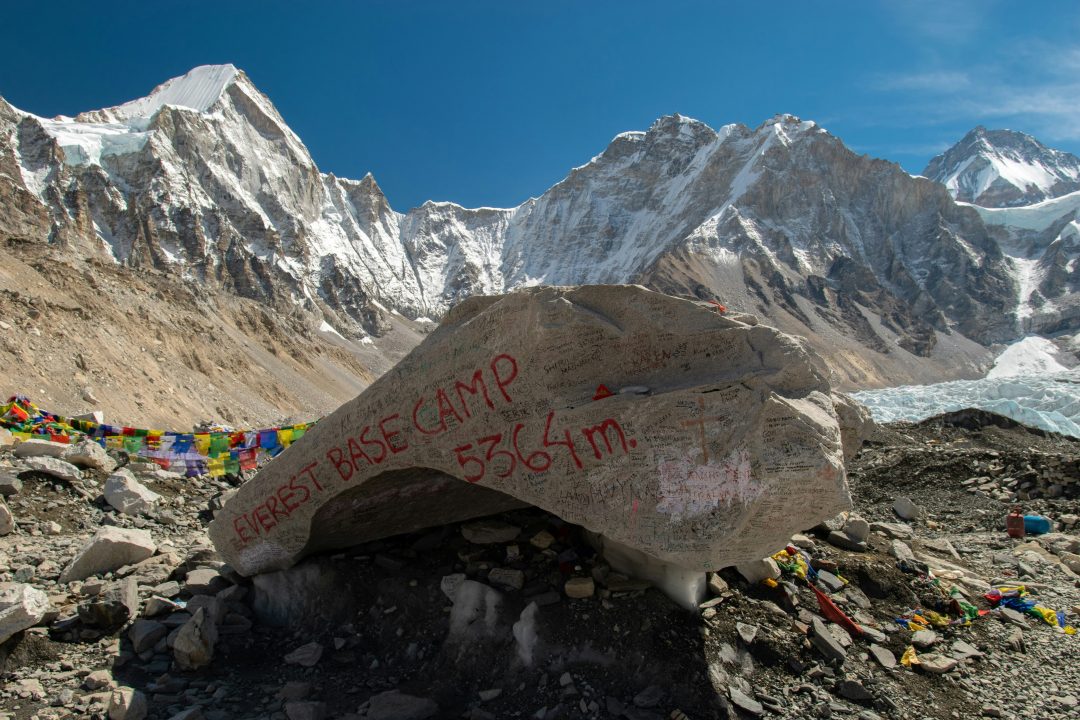
Have you ever dreamt of being at the base of the highest peak in the world, and watching the highest peak in the world, Everest, with your own eyes? The trek to the Everest Base Camp (EBC), in the beautiful Khumbu Valley of Nepal, is one of the most seminal journeys that even beginners can experience.
Although beginner trekkers might think that it would be so challenging that they will never get to EBC, in actual reality, it is reachable, and many beginners have successfully completed their dream of reaching Everest Base Camp.
It is not an extreme adventure sport that requires a rope and a harness, but it is a difficult high-altitude hike that tests your strength and determination. Once you reach Everest base camp, it will reward you with a breathtaking close view of Mt. Everest and other beautiful surrounding peaks. Reaching the base camp will give you internal satisfaction and happiness, and be full of memories you can’t imagine.
Are you a beginner who is thinking of this big adventure? You have arrived in the right place! This guide will not only break the mystery behind the journey but will also assist you in getting ready to go through the trip of a lifetime.
Quick Facts About Everest Base Camp Trek
| Category | Details |
| Trek Name | Everest Base Camp Trek |
| Region | Khumbu, Sagarmatha National Park, Nepal |
| Trek Duration | 12–14 Days (standard itinerary) |
| Trek Difficulty | Moderate |
| Maximum Altitude | Kala Patthar: 5,545 m / 18,192 ft |
| Starting Point | Lukla (flight from Kathmandu) |
| Ending Point | Lukla (return flight to Kathmandu) |
| Best Time to Trek | Spring (March–May) & Autumn (September–November) |
| Accommodation | Tea houses / lodges along the trail |
| Permits Required | Sagarmatha National Park Entry Permit, local Khumbu Permit |
| Highlights | Everest Base Camp, Kala Patthar sunrise, Sherpa culture, Tengboche Monastery, Khumbu Glacier, panoramic Himalayan views |
| Transportation | Flight: Kathmandu → Lukla; Road: Kathmandu → Lukla (possible via jeep/road but rarely used) |
| Wildlife | Himalayan Tahr, Snow Leopard (rare), Red Panda (rare), Himalayan Monal |
| Meals | Tea house menu: Nepali food (Dal Bhat), some international options |
| Communication | Mobile coverage limited; Wi-Fi available in some tea houses (paid) |
| Risk Factors | High altitude, unpredictable weather, occasional landslides, cold temperatures |
| Insurance | High-altitude trekking insurance recommended, including helicopter evacuation |
What is the Everest Base Camp Trek?
The EBC trek is generally initiated with an exciting flight into Lukla, which is a tiny mountain airstrip. It will then take you about 8-12 days (not counting days of flying in and out of Nepal) to walk through Sherpa villages, old monasteries, rhododendron trees, and glacial barren valleys and ascend in altitude, with increasing heights, until you reach the Everest Base Camp, where the altitude will be 5,364 meters (17,598 feet). You do not hike up Mount Everest; you walk to the base camp, a place from where expedition groups start their summit attempts.
Why Trek to EBC?
- Unforgettable Views: Jaw-dropping panoramic views of Mt.Everest, Lhotse, Nuptse, Ama Dablam, and countless other peaks.
- Cultural Immersion: Chance to experience the unique Sherpa culture, visit ancient monasteries, and witness their everyday way of life.
- Personal Achievement: Push your physical and mental limits to achieve a goal that many only dream of.
- Bragging Rights: You literally stood at the base of the world’s highest mountain!
- Photography Opportunities: You can capture the best view of mountains, beautiful landscape, heritage sites, local people, if lucky, also snow leopards, Himalayan tahr, and various birds.
How Fit Do I Need to Be For the Everest Base Camp Trek?
This is the most important question for people who are just starting off! You don’t have to be an Olympic athlete, but you do need to be in excellent shape.
- Cardiovascular Endurance: Beginner trekkers must be able to walk for 5 to 6 hours a day, frequently uphill, with a light daypack for several days in a row.
- Ability: Beginners must be able to walk in ascent and descent hills, narrow high altitude paths, and uneven terrain conditions.
- Mental Toughness: A positive attitude and dedication are equally as important as physical strength, especially on harder days or when you’re at a higher altitude.
Getting ready is important: Three to six months before you start your Everest base camp trek, start a training program. Concentrate on running, hiking, biking, and climbing stairs. To become used to trip conditions, try doing some longer hikes with a heavy backpack.
Best Time to Go For the Everest Base Camp Trek
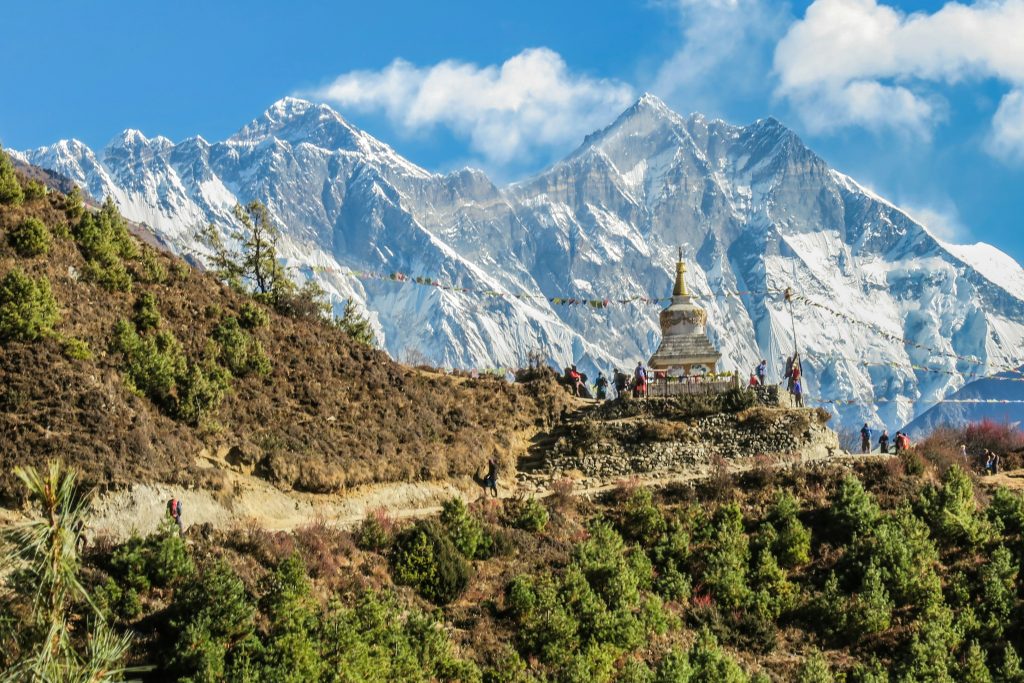
There are two main trekking seasons for the Everest Base Camp trek:
- Spring (March to May): The weather is warmer, the rhododendrons are in full bloom, and the trail is busy with climbers going to Island Peak, Mera Peak, Ama Dablam Peak, and Lobuche Peak.
- Autumn (September to November): The weather is stable, the skies are clear, and the sights of the mountains are amazing. Most people think this is the perfect time.
Avoid: Trekking in the months of Winter and Monsoon season is possible, but for beginner trekkers, we suggest you avoid trekking in this season due to harsh weather conditions. In winter, the temperature falls below freezing point at high altitude, and trails can be icy and slippery. In the monsoon, the flights are often delayed due to poor visibility, and there is also a high risk of floods and landslides in the lower region.
Typical Itinerary & Duration For Everest Base Camp Trek
Most Everest base camp treks(EBC) take 12-14 days from Kathmandu back to Kathmandu. This includes vital acclimatization days, where you’ll hike to higher elevations during the day and return to sleep at a slightly lower altitude. This “climb high, sleep low” strategy is essential for preventing Acute Mountain Sickness (AMS).
A popular route includes stops in Phakding, Namche Bazaar (acclimatization), Tengboche, Dingboche (acclimatization), Lobuche, Gorak Shep, and then finally Everest Base Camp and Kala Patthar (for sunrise views of Everest).
Best Sample Everest Base Camp Trek Itinerary For Beginners
| Day | Route | Duration | Altitude (m) | Highlights |
| 1 | Kathmandu → Lukla → Phakding | 3–4 hrs | 2,610 | Flight to Lukla, first trek into Sherpa villages, scenic Dudh Koshi river valley |
| 2 | Phakding → Namche Bazaar | 5–6 hrs | 3,440 | Suspension bridges, Sagarmatha National Park entrance, Sherpa culture |
| 3 | Acclimatization at Namche Bazaar | – | 3,440 | Explore Namche, hike to Everest View Hotel, acclimatization |
| 4 | Namche Bazaar → Tengboche | 5–6 hrs | 3,870 | Tengboche Monastery, panoramic Himalayan views |
| 5 | Tengboche → Dingboche | 5–6 hrs | 4,410 | Rhododendron forests, Ama Dablam views, gradual ascent |
| 6 | Acclimatization at Dingboche | – | 4,410 | Hike to Nangkartshang Peak, prepare for higher altitude |
| 7 | Dingboche → Lobuche | 5–6 hrs | 4,910 | Glacial moraine landscapes, views of Thukla, Everest region peaks |
| 8 | Lobuche → Everest Base Camp → Gorak Shep | 7–8 hrs | 5,364 | EBC, Khumbu Glacier, panoramic mountain views |
| 9 | Gorak Shep → Kala Patthar → Pheriche | 7–8 hrs | 5,545 (Kala Patthar) | Sunrise views of Everest from Kala Patthar, descend to lower altitude |
| 10 | Pheriche → Namche Bazaar | 6–7 hrs | 3,440 | Descend through Sherpa villages and forests |
| 11 | Namche Bazaar → Lukla | 6–7 hrs | 2,860 | Scenic descent, farewell to Khumbu region |
| 12 | Lukla → Kathmandu | 35 min flight | 1,400 | Flight back to Kathmandu, trek concludes |
Battling Altitude Sickness (AMS)
One of the biggest challenges that beginner trekkers might need to face is the effect of high altitude. Trekking at high altitude is exhausting due to the low level of oxygen presence in the air. Also, some trekkers can get into trouble due to altitude sickness symptoms such as headaches, nausea, dizziness, shortness of breath, and difficulty sleeping.
Even experienced trekkers can face these problems, so you need to be very aware of altitude sickness. Neglecting the early symptoms of AMS can result in HACE AND HAPE, which can even take your life.
Beginner trekkers should follow these altitude sickness prevention tips:
- Go Slow: Walk in your own pack, especially in the high altitude areas of the Everest Region. Do not rush.
- Hydrate: Drink 3-5 liters of water daily.
- Acclimatize: Follow the Everest base camp itinerary, which has proper acclimatisation days. Do not skip rest days.
- Listen to Your Body: Report any symptoms (headache, nausea, dizziness, fatigue) to your guide immediately.
- Consider Diamox: Consult your doctor about taking Acetazolamide (Diamox) for the proper dose.
- Descend if Symptoms Worsen: If symptoms don’t improve with rest, descending is the only cure.
Essential Packing List For your Everest Base Camp Trek
Beginner trekkers might be unaware of what to pack for the Everest Base Camp trek. You should understand that the Himalayas’ weather can turn suddenly, even though you are trekking in the best season. If you pack properly, you can deal with the bad weather easily to remain safe and comfortable.
Here is the comprehensive packing list for you:
Clothing:
- Thermal base layers (top & bottom)
- Fleece jacket (mid-layer)
- Down jacket (heavy duty, for warmth)
- Waterproof and windproof outer shell jacket & pants
- Hiking trousers (2-3 pairs)
- Hiking shirts (quick-dry, 3-4)
- Warm hat, sun hat, gloves (thin and thick/waterproof)
- Plenty of hiking socks (wool or synthetic)
Footwear:
- Well broken-in waterproof hiking boots (non-negotiable!)
- Camp shoes/sandals
Gear:
- Trekking poles (highly recommended for knees)
- Daypack (30-40L) for daily essentials
- Duffel bag (for your porter)
- Sleeping bag (rated to -10°C to -20°C, depending on season)
- Headlamp with spare batteries
- Water bottles/hydration bladder (at least 2L capacity)
- Sunglasses (category 3 or 4 for high altitude)
- Sunscreen & lip balm (high SPF)
- Basic first-aid kit (painkillers, blister pads, antiseptic wipes, personal medications)
- Toiletries, hand sanitizer, wet wipes
- Portable power bank
- Camera
Documents: Passport, visa, trekking permits (Sagarmatha National Park entry permit, Khumbu Pasang Lhamu Rural Municipality Entrance Permit), proof of travel insurance copy, Nepali rupees( around 15,000).
Guide & Porter: Highly Recommended
After the new rule from the Nepal Government, trekkers cannot do a solo trek inside the Everest region. This rule was introduced to maintain the safety of foreign tourists and to provide emergency support during unexpected situations. If you are a beginner, you should definitely hire a licensed trekking guide to do the Everest Base Camp trek.
For beginners, hiring an experienced local guide and a porter is strongly advised:
- Safety: Guides know the routes, how the weather changes, and the most important indicators of AMS. They can get help in an emergency.
- Navigation: You won’t get lost, so you can relax and take in the sights.
- Logistics: Guides take care of lodging, food orders, and permits.
- Cultural Insight: They give you a lot of information on Sherpa culture and the lifestyle of the Khumbu region.
- Porters: Carry your primary duffel bag (usually 15–20 kg per porter), which will make the walk easier and more fun. It also helps the local economy by creating jobs in the remote village area.
Everest Base Camp Trek Cost and Budgeting Tips for Beginner Trekkers
Depending on whether you travel with a group, a private guide, and the level of service you want on the trek, the cost of the Everest base camp trip can be very different. The more you are in a group, the more discounts you can get on the EBC trekking packages. If you want a private trip, then it will cost you a little bit. A private journey will cost a little more, and if you want a luxury experience at Everest Base Camp, it will cost significantly more.
Things that most of the tour operator provides you when you buy the EBC trek package with them:
- Ground transportation: Airport pick-up and drop-off, hotel transfers, and transport to the domestic airport for the Lukla flight.
- Permits Cost: Sagarmatha National Park and Local Khumu Permit.
- Guide and Permit: licensed Sherpa guide, assistance guide, porters, guide and porter wages, insurance, food, and accommodation.
- Food: Three times a meal during the trek with veg and non-veg options
- Accommodation: Comfortable twin-sharing beds in the tea house.
Some things will often not be included in the EBC trek package:
- International Flight: You need to manage on your own.
- Accommodation in Kathmandu: You can book the hotel on your own. A normal hotel costs around NPR 1000 – NPR 3000. If you want to stay in a luxury hotel, it will cost you NPR 5000 to 30,000 per night
- Meals in Kathmandu: You can budget around NPR 1,500- 2,000 for three meals at normal restaurants.
- Snacks: You need to buy snacks on your own
- Water: You need to buy the drinking water bottle on your own. It will cost around NPR 200. For refilling hot water, you also need to pay some cost.
- WIFI: There is no free Wifi in the tea house; you need to pay a cost to get a connection. It will cost you around NPR 100-300 per day.
- Charging: For charging your electronic device at a high altitude tea house, you need to pay around NPR 200-400 per hour.
- Health insurance: You need to purchase travel and health insurance on your own. It may cost you around USD 100 to USD 200, depending on the coverage and your insurance company.
- Miscellaneous: Tips, buying souvenirs, extra meals
Total Cost: The standard Everest Base Camp Trek Package will cost you between $1,200 and $1,600 per person. For a luxury Everest base camp trek, it will cost you between $3,000 and $6,000 per person.
Practical Tips for Beginners to Make the EBC Trek Successful
- Hydrate, Hydrate, Hydrate! Drink plenty of water. It helps with energy and elevation.
- Eat Well: Eat well by getting enough carbs. A local favourite and an excellent source of energy is dal bhat, which is rice and lentil soup.
- Pace Yourself: “Bistari, bistari” (slowly, slowly) is the mantra.
- Stay Positive: Things will be hard sometimes, but having a positive mindset makes a big difference.
- Respect Local Culture: Dress modestly, ask before taking pictures, and always use your right hand when giving or receiving.
- Think about hiring a tour operator: A good one can take care of all the details for your first trip so that you can focus on the walk.
- Follow National Park rules: Everest base camp is controlled by the Sagarmatha National Park, so follow all the rules set by the national park. Remember, you can bring anything from the trek, even a stone.
Inspiring Everest Base Camp Treks Records to Motivate Beginner Trekkers
| Record | Detail | Source / Notes |
| Youngest Person to Reach EBC | Zara, a 4‑year-old girl from the Czech Republic | She became the youngest to reach Everest Base Camp (age ~4 years, 5 months). |
| Youngest Malaysian to Reach EBC | Jacquelin Kaur, 6 years old | Completed a 130 km EBC trek in 7 days. |
| Youngest on Foot to Complete EBC Trek | Abyan Imtiaz Irkiz, 5 years old | Walked from Lukla to EBC without a porter or horse, in 8 days. |
| David McClung | 82 years old | Reached the EBC in October 2025 |
Final Say
The climb to Everest Base Camp is more than just watching Everest; it’s a journey that promises stunning scenery, a chance to learn about other cultures, and a big personal challenge. You can stand at the foot of the world’s tallest peak if you prepare, have a good mindset, and have the right knowledge. Yes, even you, the beginner.
Posted on