Everest Expedition Cost & Planning
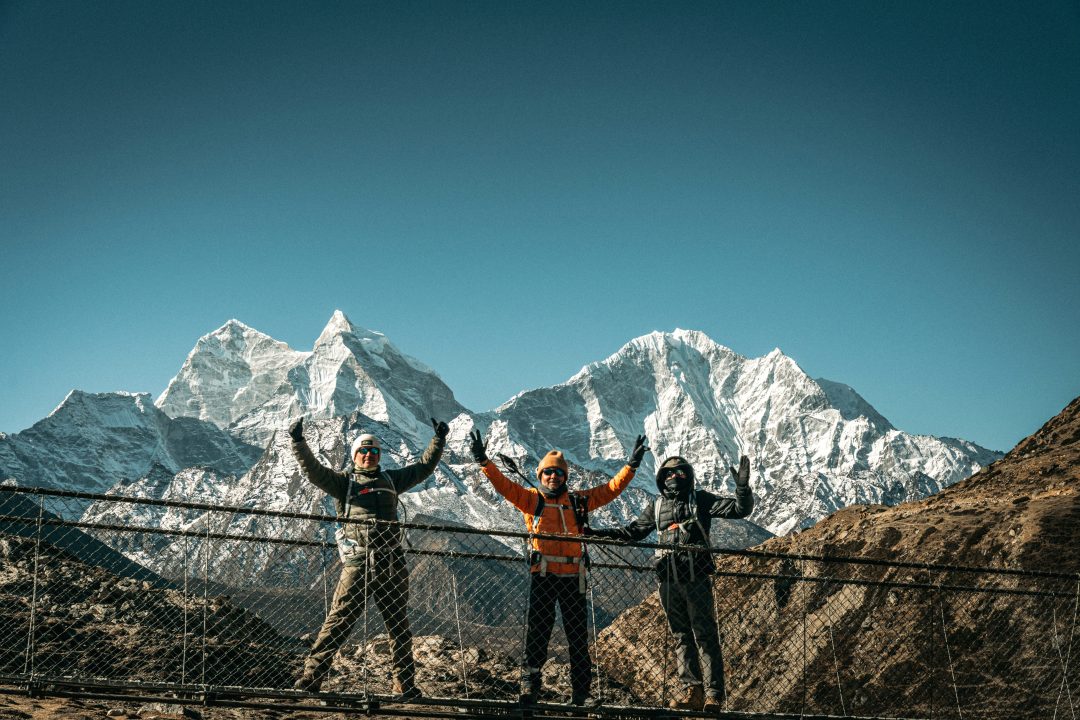
Climbing Mount Everest is a major challenge and can be very expensive. As the tallest mountain in the world, Everest brings physical, financial, and logistical hurdles. The cost of Everest expedition depends on the company, equipment, and support you choose. Some people try to climb with little help and cheaper gear, but most rely on skilled guides and good resources to stay safe and increase their chances of reaching the top.
For most Everest climbers, cost is a big factor. It usually ranges from $30,000 to $100,000 or even higher. This covers permits, guides, Sherpa help, and logistics at high altitudes. You also need to budget for flights, places to stay, gear, and emergency insurance. Planning your budget carefully is important because running out of money can cause stress and put your safety at risk.
Besides money, climbers also need to think about the time it takes to climb Everest. From getting ready to trying for the summit, the whole process can last several months and includes both training and getting used to the altitude. How long it takes depends on the weather, your acclimatisation plan, and your own experience. Having a clear and realistic plan is key to making it to the top.
Where Is Mount Everest Located?
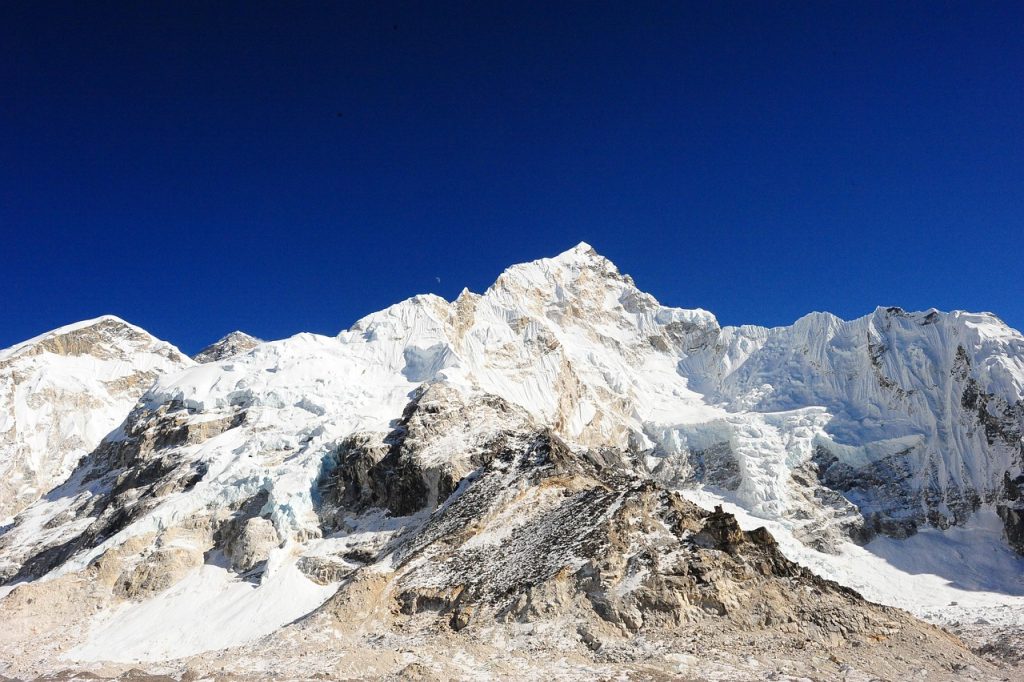
Mount Everest, the world’s highest peak, is situated on the border between Nepal’s Sagarmatha Zone and the Tibet Autonomous Region of China. Located in the Mahalangur Himal sub-range of the Himalayas, it sits at approximately 27°59’21″N 86°55’31″E. With an elevation of 8,848.86 meters (29,031.7 feet)—as measured in 2020—it stands as a symbol of natural grandeur and a landmark in both cultural and geographical significance.
Mount Everest Key Highlights And Facts
| Category | Details |
| Height | 8,848.86 meters (29,031.7 feet); official height ratified by Nepal and China in 2020, based on satellite measurements. |
| Location | Mount Everst is located inside Nepal. Everest shares the border between Nepal and Tibet so you can do Everset Expedition from Nepal( South face) as well as From Tibet( North face). |
| First Ascent | May 29, 1953 by Sir Edmund Hillary and Tenzing Norgay; the first successful summit, marking a historic achievement for mountaineering. |
| Notable Climbers | 10,000+ summiters (as of 2023); includes legends like Reinhold Messner (first solo ascent) and modern-day athletes like Kami Rita Sherpa, who has summited over 25 times. |
| Deceased Climbers | ~330+ (as of 2023); a sobering reminder of the risks of high-altitude climbing. The bodies of some climbers remain at the summit due to logistical challenges. |
| Climbing Seasons | Spring (March–May) and Autumn (September–November); optimal periods for climbing due to stable weather and thinner snow cover. |
| Temperature at Summit | -29°C (-20°F) average; extreme cold poses significant survival challenges. |
| Oxygen Levels | ~33% of sea-level oxygen; climbers rely on supplemental oxygen for the final ascent. |
| Climbing Duration | 45–60 days (from base camp to summit); involves acclimatization, high camps, and careful planning. |
| Cost to Summit | $30,000–$100,000+ including permits and guides; varies by operator, season, and level of support. |
| Facts | – The summit experiences up to 290 mph winds. – Tallest mountain in the world since 1892 (before 2020, K2 held the title). – Everest grows by ~4 mm annually due to tectonic plate movements. |
| Environmental Impact | ~40,000 kg of trash recovered (2019 expedition); ongoing efforts to clean the mountain, including partnerships with organizations like Eco Everest. |
| Cultural Significance | Known as Sagarmatha in Nepali and Chomolungma/Qomolangma in Tibetan; revered as a sacred deity in Tibetan Buddhism and as a symbol of human ambition. |
| Records | – Fastest descent: 26 minutes (2023, by Anatoli Boukreev). – Longest reign as the tallest: 131 years (since 1856, when it was first measured); pushing the limits of human endurance and innovation. |
How Much Does It Cost to Climb Everest?
The cost of the Everest expedition ranges from USD 30,000 to over $100,000. The exact cost varies as it depends upon the several factors, such as:
- Types of expedition operator you choose.
- Number of days you spend on the Everest Expedition.
- Level of Experience of your Sherpa Guide and Sherpa Porter
Note: On this investment it covers things like Everest Climbing Permits, hiring professional Guide and Porter, Supportive staff, logistics, domestic flight fare, food, accommodation. Things that are not included in the Expedition package by most of the operators are your travel and health insurance, International flight fare, Guide and Porter Tips and any other extra personal expense.
Traveller’s Tips: Before booking Everest Expedition make sure to read the package offered by the expedition operator and manage the budget accordingly.
Everest Expedition Cost: Breaking Down the Expenses
Key costs of an Everest expedition include:
- Climbing Permit: $11,000–$15,000 (mandatory for all climbers)
- Lukla Flight: $225 – $230 for a one-way ticket.
- Food: $30 to $50 per day
- Accommodation: $5-$20/night
- Hiring Sherpa Guide: $10,000 to $25,000+ per climber
- Hiring Sherpa Porter: $5,000 to over $10,000
- Extra expense( Snacks, Oxygen bottle, hot water, etc): $2,000–$5,000
- Travel Insurance: $1,000-$4,000
- Gear and Equipment: $8,000–$15,000 for high-quality climbing gear
The Everest Expedition Timeline: From Base Camp to Summit
In general, it takes around 6 to 9 weeks, or about 60 to 65 days, to complete the Everest Expedition. There are several steps involved during the climbing journey:
- Arrival and Initial Trek: Arrival in Nepal, get the permit and flight to Lukla airport with the Expedition team. Then start your trek from Lukla through several Sherpa villages to reach the Everest Base Camp (EBC, 5,364m). This process takes around 14-16 days.
- Acclimatisation Rotations (Day 17–45): Make multiple rotations to higher camps—Camp 1, Camp 2, and Camp 3—to properly acclimatise to the extreme altitude. This process helps prepare your body for the final summit push.
- Summit Attempt (Day 46–60): The summit push is planned during a stable weather window. The climb from the high camp to the summit and back typically takes 12–24 hours.
When Is the Best Time For the Everest Expedition?
You need to follow the guide instructions all the time for your safety. You should be patient and focus on your dream, and keep a strong mental attitude throughout the journey. We suggest you read about the Everest Death Zone, the 2 PM Rule on Everest, and watch documentaries, which will be helpful during the Everest Expedition.
Everest weather is unpredictable, but most of the time in the months of Spring (Mid-April to Early June) and Autumn (Mid-September to Mid-October) remains stable and predictable. Weather plays a great role in the success of the summit, and you should wait for the right time to go for the expedition. Strong winds, heavy snowfall, or sudden storms can delay the summit push and increase the risks, so careful planning and patience are essential.
There is a record of the Everest summit in the month of Winter also. But if you are not an expert mountaineer, choose this season for your summit:
- Spring (Mid-April to Early June): Most popular window; calmer winds due to the northward shift of the jet stream.
- Autumn (Mid-September to Mid-October): Cooler temperatures, less crowded, stable post-monsoon conditions.
Note: Every year, a limited number of climbing permits are issued by the Nepal Mountaineering Association of Nepal(NMA). So if you are planning to do it in the peak season, especially during spring, we suggest you apply for the permit in advance.
Can You Climb Everest for Free?
Many climbers have this thought in their minds: Can we climb Mount Everest for free? In reality, it’s not possible. Here is the reason why:
- Mandatory permits ($11,000–$15,000) cannot be avoided.
- Professional guides, Sherpas, and essential gear require financial investment.
- Volunteer or charity projects may reduce costs but still require contributions for permits, equipment, and logistics.
Instead of the Everest Expedition, if you are looking for the best alternative to enjoy the view of Everest, we suggest you choose the iconic Everest Base Camp Trek.
Everest Base Camp Trek: A Budget-Friendly Alternative
The Everest Base Camp (EBC) trek is a great way to explore the Everest region without spending as much as a full Everest summit climb.
- Duration: 12–14 days
- Distance: ~130 km round trip
- Trek Duration: Average of 5-7 hours
- Accommodation: Tea House
- Highlights: Stunning Himalayan views, Sherpa villages, monasteries, sunrise from Kala Pathhar, cultural immersion and warm hospitality.
The Cost of the Everest Base Camp Trek ranges from USD $800-$12,00 per person for standard packages. For a Luxury EBC Package, It will cost you USD 2500 – 5000 per person, depending upon the service and comfort level.
Note: If you just have a single day but still want to see the Everest, then we suggest you choose the Mount Everest Helicopter Tour Package – 1 Day.
The Essential Role of Sherpas And Sherpa Salary
Foreign people believe that Sherpa means only guide and porter, but it’s actually not true. Sherpas are actually an ethnic group living in the Everest region. They are the guardians of Mount Everest. The Sherpa people have their own rich culture, traditions, and native language.
Let’s learn the Importance of Sherpa People in EVerset Expedition:
- Sherpa Icefall Doctor: This Sherpa checks the conditions of the Glacier and prepares a safe route through the Khumbu Icefall.
- Sherpa Trekking Guide: Navigate trekkers to high altitude treks in the Everest region, such as EBC, Gokyo Lake, Three Passes Trek
- Sherpa Climbers(high-altitude): They carry oxygen bottles, tents, ropes, and other gear up to high camps. They help climbers reach the summit safely.
- Sherpa Cook: They prepare meals in base camp and high camps, making sure climbers get warm, fresh food during the expedition.
- Summit Support Sherpa: These Sherpas stay close to climbers during the final push to the summit. They help with oxygen, safety, and pace management.
- Sherpa Porter: They carry supplies, food, tents, and equipment from the lower region to Base Camp.
- Sherpa rescue team: They assist in search and rescue operations during emergencies. Their skills save many lives on the mountain.
- Camp Manager (Sirdar Sherpa): The leader of the Sherpa team. They manage logistics, assign duties, and ensure the expedition runs smoothly.
- Rope Fixing Sherpa Team: This team sets the route with fixed ropes from Camp 2 to the summit. They open the path for all climbers every season.
Sherpa Salary: They earn around $5,000-$10,000 per expedition, plus tips
Planning a Successful Everest Expedition
Here are important tips to make your Everest Expedition successful and enjoyable:
- Manage the budget through consultation with the Expedition tour operator.
- Maintain a proper fitness level.
- Learn mountaineering skills.
- Do pre-training climbs on nearby peaks such as Island Peak, Lobuche Peak, or Mera Peak.
- Follow acclimatisation tips.
- Invest in quality gear and clothing.
- Do research about the Everest Expedition.
- Watch documentaries, movies about Everest.
- Buy the best Insurance that covers all the risks.
- Stay motivated and develop strong mental strength to overcome the challenges of the climb.
Final Say
The Mount Everest summit is a dream for mountaineers. If you want to put your name in the list of successful climbers of Mount Everest Expedition, you should make a proper plan and manage the budget. Thousands of climbers have already reached their dream destination; now it’s your turn to make your dream come true into reality. Thanks for reading. Have a successful Everest Expedition.
If you have any queries or are planning to do the trekking, Expedition, or Helicopter tour in the Everest region, then make sure to contact Everest Delight.
Posted on