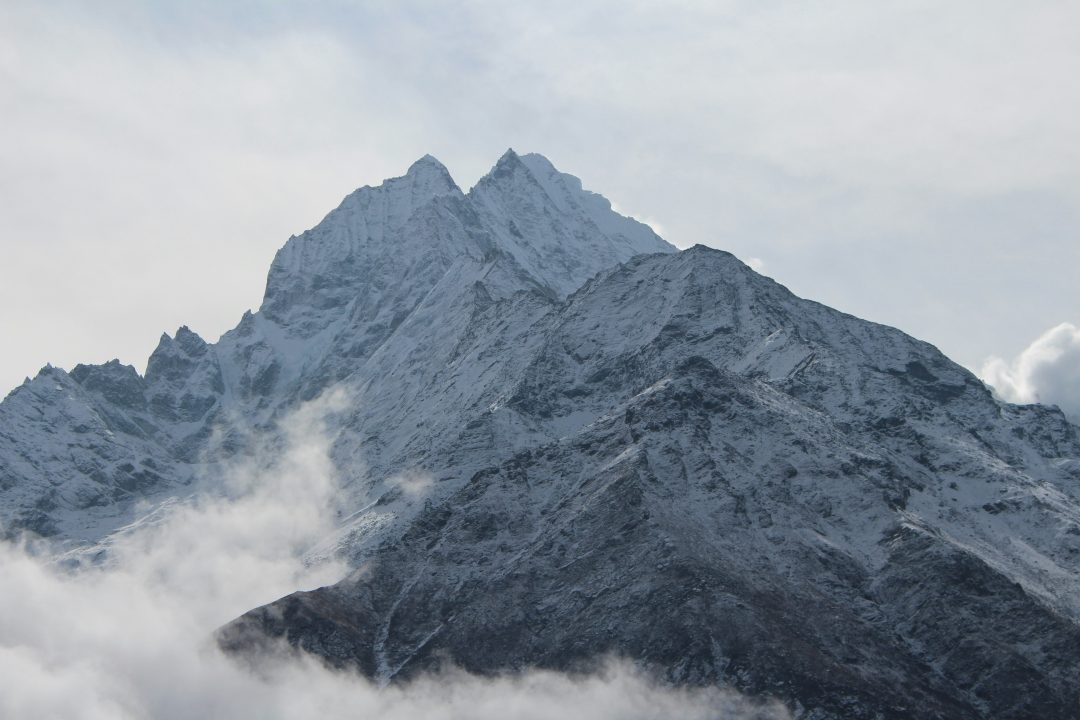

Everest Delight offers a lifetime Island Peak Climbing experience with the classic Everest Base Camp trek. The 16-day tour package is perfect for those seeking adventure and willing to experience the best of the Himalayas. You will get a well-scheduled Island Peak trek tour that will take you through lively Sherpa villages to the challenging Island Peak summit climb at 6,189 meters.
Our expert licensed Island Peak climbing guide will lead you safely through the breathtaking routes of Imja Tse (Island Peak). It will help you to overcome the Island Peak climbing difficulty with proper training and support. Along the way, you will experience the beauty of the Everest region, including stops at famous Everest Base Camp (EBC), Kala Patthar and Island Peak Base Camp. The stunning views of Mount Everest and the surrounding peaks from this vintage place are beyond imagination.
This Island Peak expedition is the best choice for both beginner and experienced climbers. Experienced climbers can use Island Peak as a training ground before trying major expeditions like Everest, Ama Dablam, Manaslu, and Annapurna I. In contrast, novice climbers can familiarise themselves with high-altitude mountaineering.
When you book an Island Peak Climbing Package, we cover all essentials like Climbing permits, transportation, food, accommodation, support team, logistics and more. We want to make your trip hassle-free without compromising safety.
We offer guaranteed departure for Island Peak climbing, and you can even customise the Island Peak Climbing itinerary, which will be designed to meet your needs and deliver a lifetime of memories.
Island Peak was named because British climbers saw that it appears to rise from the centre of an ice sea when viewed from Dingboche. Island Peak elevation of 6,189 meters (20,305 feet) qualifies it as one of Nepal’s most sought-after “trekking peaks”—don’t be fooled by the name, however; it’s still a climb.
It is strategically positioned in the Khumbu region among the world’s most iconic mountains, including Everest, Lhotse and Ama Dablam. Its location gifts the climber with panoramic vistas and perfect acclimatisation for future high-altitude ascents.
The Island Peak trek is generally of 18-21 days in length and combines the Everest Base Camp standard trek with technical experience of alpine mountaineering. It is thus the trekkers’ choice who want to combine the famous trekking culture of Nepal with alpine mountain adventure.
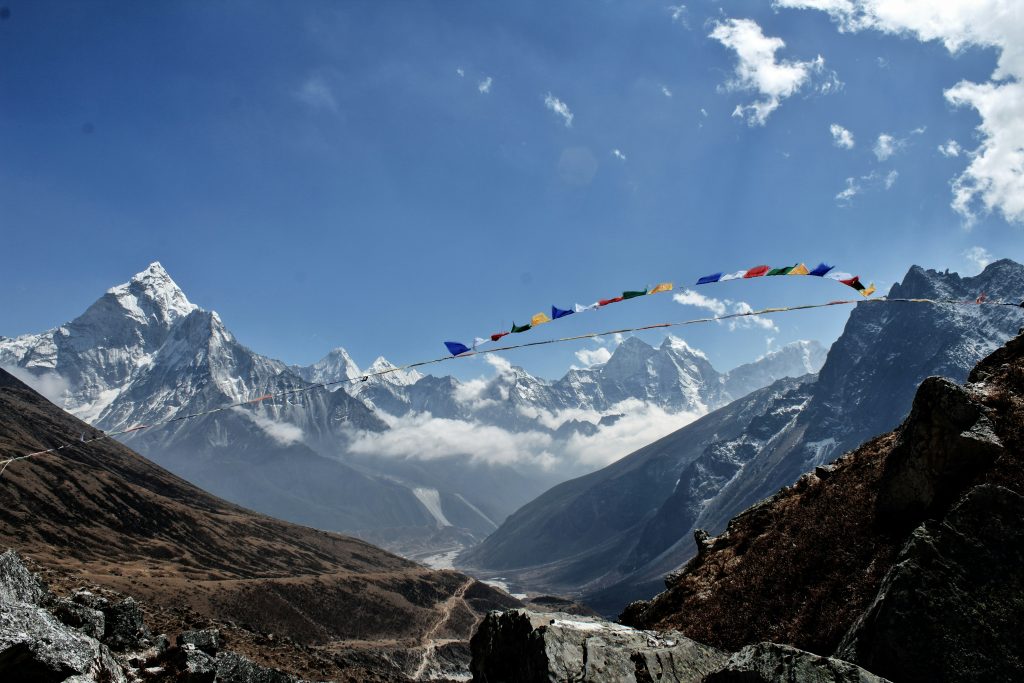
Island Peak Climbing offers breathtaking 360-degree views of the Himalayas, including Mount Everest, Lhotse, Makalu, and Ama Dablam. These giant peaks are near and easily visible from the top of Island Peak. Island Peak is one of the best locations in the Everest region for mountain photographs and observing natural beauty. Climbing or trekking to the top is a dream for everyone.
Island Peak Climbing is perfect for first-time climbers who want to give mountaineering a try for the very first time. It is all about easy glacier walking and simple climbing techniques, so you don’t need advanced skills. The top offers a pure mountain climbing experience in the Himalayas. It is also a great practice ascent for larger summits like Everest or Lhotse.
The Island Peak Climbing peak altitude is 6,189m above sea level and gives you an unparalleled high-altitude experience. To be atop is a truly wonderful feat for any climber or trekker. You have great views of snow-covered mountains in every direction from the top. It’s an excellent goal for anyone wanting to be atop a Himalayan summit.
Island Peak Climbing takes you along some of the most stunning trails of the Everest region. You trek to famous places like Namche Bazaar, Tengboche, and Dingboche. Along the trail, enjoy the stunning mountain scenery, forest, rivers, and Sherpa villages. The trek blends cultural charm and natural thrill into your climb.
Island Peak Climbing offers a chance to witness the rich Sherpa culture and their peaceful mountain villages. You get to explore villages, monasteries, and witness prayer flags and mani walls along the trekking trail. Sherpas are renowned for their hospitality and love for the Himalayas. The cultural experience enhances your climbing adventure and makes it unforgettable.
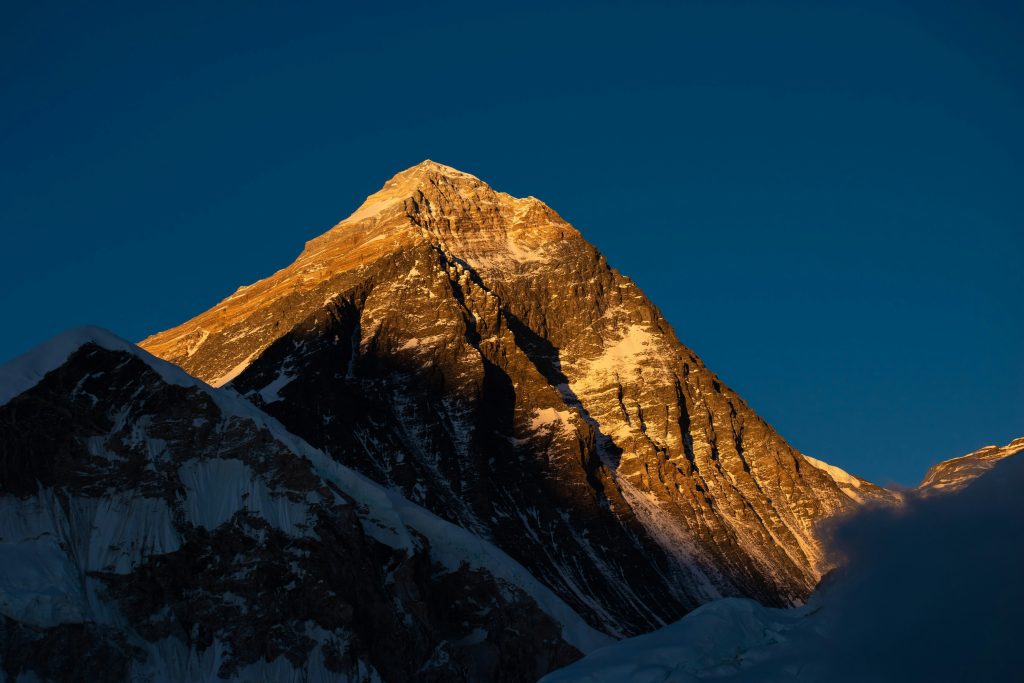
Island Peak Climbing can be combined with the trek to Everest Base Camp and Kala Patthar for a full Himalaya experience. Everest Base Camp tour is the experience of standing at the foot of the world’s highest mountain. One of the most spectacular views of Mount Everest is seen from Kala Patthar, especially the sunrise. It adds more excitement and satisfaction to your trip with climbing and trekking opportunities.
The Island Peak Climbing trek is a trip that includes trekking in Sagarmatha National Park, a UNESCO World Heritage site renowned for its stunning mountain views and exotic wildlife. You get to witness beautiful forests, unusual wildlife like snow leopards and red pandas, and stunning Himalayan vistas. Treks in this park are an ideal complement to climbing, as they blend nature, wildlife, and mountain beauty.
Island Peak Climbing is a great way of gaining glacier and ice climbing experience. You will learn how to use crampons, ropes, and ice axes to cross snow and ice. This kind of hands-on experience is perfect for beginners who desire to gain confidence before climbing higher peaks. Island Peak has thus become a favourite destination for beginner mountaineers.
Duration: This intense Island Peak Climbing takes 19 days to complete, so climbers must have at least this amount of time available.
Age requirement: Climbers under the age of sixteen are not eligible to receive climbing permits from the Nepali government.
Experience: Beginners Climbers who have prior high-altitude trekking experience are welcome to enrol, but they must be physically fit for both trekking and climbing.
Fitness Criteria: Participants must be able to walk for an average of 6-7 hours daily.
Health conditions: Climbers should be fit and fine and must not have a previous history of AMS and underlying serious health conditions( heart disease, lung disease, respiratory issues). People with diabetes, anaemia, or specific neurological disorders may also need to exercise caution when it comes to high-altitude climbing and should speak with their physician before trying.
Travel insurance: Mandatory with a helicopter evacuation plan.
What to expect: Prepare for Basic facilities during the Island Peak Climbing, especially at high altitude.
Island Peak weather: Island Peak climbing is possible year-round, but due to perfect weather conditions, it is best done during spring (March to May) and autumn (September to November) seasons.
Climbers can choose the departure date for Island Peak throughout the year, as per their interest and experience level. For those who want to know, the best time of year for Island Peak Climbing is during spring (March to May) and autumn (September to November). These seasons offer the most stable island peak weather, clear mountain views, and safer climbing conditions.
The island peak climbing season in spring is known for warmer temperatures and blooming rhododendrons, while the autumn season gives you crystal-clear skies and breathtaking Himalayan views.
If you’re planning an island peak trek or an island peak expedition, you need to check the island peak itinerary to match the best season. Many climbers prefer island peak climbing in spring for its warmer days, while others enjoy island peak climbing in autumn for its dry and clear weather. Choosing the best time helps you to avoid the extreme cold and heavy snow, especially at high altitudes.
Below we have presented to you the average weather and temperature conditions around the Island Peak. It will help you to understand the weather pattern so that you can prepare accordingly.
| Season | Months | Day Temperature | Night Temperature | Weather Condition |
| Spring | March – May | 10°C to 15°C | -5°C to -10°C | Stable weather, clear skies, blooming trails |
| Summer/Monsoon | June – August | 12°C to 16°C | 0°C to -5°C | Rainy, cloudy, slippery trails, limited visibility |
| Autumn | September – November | 8°C to 14°C | -5°C to -10°C | Best season, dry weather, clear mountain views |
| Winter | December – February | 0°C to 5°C | -10°C to -20°C | Very cold, snow-covered trails, fewer climbers |
Note: We suggest you check the weather forecast before and during the Island Peak Climbing. If the weather is not favourable for climbing, we recommend waiting for suitable conditions and following the guidance of your climbing guide.
| Permit Name | Purpose | Issuing Authority | Cost (Approx.) |
| Island Peak Climbing Permit (Imja Tse) | Required to climb Island Peak (Imja Tse) | Nepal Mountaineering Association (NMA) | USD 250 (Spring)USD 125 (Autumn) USD 70 (Winter/Summer) |
| Sagarmatha National Park Entry Permit | Entry to Sagarmatha National Park | Department of National Parks | NPR 3,000 (Approx. USD 25) |
| Khumbu Pasang Lhamu Rural Municipality Permit | Local area entry (replaces TIMS in this region) | Local Government Office in Lukla or Monjo | NPR 2,000 (Approx. USD 15) |
Note:
Worth reading: Luxury Island Peak Climbing: A Complete GuideTravellers note: If your flight is from the Ramechhap Manthali airport you need to take a road trip to reach Ramechhap. Everest Delight will arrange transportation for you.
Travellers note: Walk slowly and steady to avoid altitude sickness.
There is one technical section in the Island Peak Climbing of about 100 m, so it is graded as a non-technical climbing peak. For the experienced climbers, it is an easy climbing peak, but for the beginner climber, it presents a fair level of challenge.
The main island's peak climbing difficulty comes from the high altitude, cold weather, and the final steep section before reaching the island's peak summit. The Island Peak elevation is 6,189 meters, so during the expedition, while reaching such altitude, some climbers can experience symptoms of altitude sickness.
The island peak route involves glacier walking, use of ropes, ladders, and a 45 to 50-degree ice wall near the summit, making the technical section of the island peak climb quite demanding.
Climbers must be in good shape and follow a proper island peak itinerary that includes enough time for acclimatisation. The toughest section of the Island Peak Climbing is to climb from the Island Peak base camp to the summit.
Even though it sounds tough for the beginner climber, with the right plan, physical fitness and with the help of the Everest Delight team, the Island Peak Climbing is Doable.
To eliminate the obstacle or to minimise the risk during the exciting Island Peak Climbing adventure in the Everest region, it is important to plan and prepare. Proper Island Peak preparation before undertaking it helps to keep you safe and make your trip successful.
It takes time to build fitness for the Island Peak Climbing, so we suggest you follow the Island Peak training plan. You can start your training programme for the Island Peak from 8-12 weeks in advance. During the training, you should focus on leg strength, cardio, strength training, and long hikes by carrying a backpack.
Altitude is one of the biggest challenges, so island peak altitude training and good acclimatisation practice are necessary to prevent illness. You can do some high-altitude trekking before attempting the Island Peak expedition.
Another thing that you need to focus on while preparing for the Island Peak climbing is to pack all essential clothing, clothes and gear items. Your island peak climbing guide will help you practice with the gear at the island peak high camp before summit day, which is important for climbing Island Peak safely.
Last but not least, all the climbers must prepare mentally for the Island Peak Climbing. You need to deal with long-hour treks, cold nights, and altitude pressure. You can also take climbing tips from experienced guides or previous climbers, or through social media.
During your island peak climbing adventure, Everest Delight will arrange three meals for you. You can choose the food from the tea house menu while you are staying in the tea house. There will be veg and non-veg options with a wide variety of menu items at the lower altitude, but at high altitude, the items in the menu will be limited at high altitude. During camping, our team will cook the food for you, which will be simple Nepali style, simple yet delicious. Drinks and alcoholic beverages will not be included in the package. Also, we suggest that you carry snacks which help you provide energy during the Island Peak Expedition.
Most of the time, you will stay in the comfortable arranged tea house during your Island Peak Climbing. Inside the tea house, you will get the basic requirement which helps you to survive the cold and freezing temperatures. You can get facilities like taking a hot shower, wifi, electricity, washroom while staying in the tea house. Remember, you will be provided a sharing room, but you can upgrade the room if you want at a lower altitude at extra cost.
Above the Chhukung village, there are no tea houses so you will stay for a few days in a tent during the Island Peak Climbing. The Everest Delight team will set up the tent for you. There will be no facilities for showers, wifi and mobile internet while you are staying in a tent.
Your Island Peak Climbing starts either from Kathmandu(TIA airport) or through Ramechhap Manthali airport to Tenzing Hillary airport(Lukla airport). As per aviation rules, there is no direct flight from Kathmandu to Lukla airport in peak trekking season. You need to take the Ramechhap to Lukla flight during peak season, which is around a 4-5 hour duration.
The chances of a Lukla flight cancellation are high in the off-season due to Lukla airport weather. We suggest you undertake the Island Peak in the best season. Lukla Flight cost will be included in the package. To book Lukla flights and learn about Lukla flight travel tips, you can check our blogs.
Once you book the Island Peak Climbing with Everest Base Camp trek package with Everest Delight, we will arrange all the necessary permits, food, accommodation, logistics, and Lukla flight. We will provide you with a licensed climbing guide, an assistance guide and teams which include a cook, a porter and other supportive staff. For emergencies, our climbing guide will have an emergency satellite phone, and they also carry a first aid kit. There will be 24-hour support to ensure your safety and comfort throughout the journey.
It is mandatory to have travel and health insurance when you are planning to do the Island Peak Climbing. You need to arrange the insurance by yourself, as we do not sell the insurance for our clients. While you make a purchase, make sure that your travel insurance covers the following important aspects:
Everything you need for trekking and climbing Island Peak (6,189m)
Personal Med Kit (with Western meds — highly recommended)
Suggested items: