Luxury Island Peak Climbing: A Complete Guide

Trip Facts
| Details | Information |
| Country | Nepal |
| Region | Sagarmatha National Park, Solukhumbu District |
| Difficulty | Moderate-Challenging |
| Permits Required | Sagarmatha National Park Entry Permit, Local Area Permit, Island Peak climbing permit fee( depends upon season) |
| Duration | 20-24 Days |
| Best Time to Visit | Spring (March-May) and Autumn (September-November) |
| Starting Point of Trek | Lukla, accessible by a 30-minute flight from Kathmandu |
| Max. Altitude | 6189m at Island peak |
Introduction: What Is Luxury Island Peak Climbing
Have you ever imagined enjoying luxury facilities while summiting the 6,189-meter Island Peak? Yes, you heard it right—now you can experience this with Everest Delight Travel and Adventure.
Luxury Island Peak Climbing is a five-star VIP adventure package that offers lavish comforts during the journey to the Island Peak. You will enjoy the climbing journey with the comfort of warm meals, cozy beds, and premium service. It is all about exploring nature and trying something exciting but at the same time without giving comfort.
Your Luxury Island Peak Climbing journey starts from the capital city of Kathmandu. During your stay in Kathmandu, you will stay in the 5-star hotel. Then, after that, you will take a luxury flight to the Lukla Airport from Kathmandu International Airport.
Then, you will start your climbing journey from the lukla, passing through several Sherpa villages, including the famous Namche Bazar. You will pass through the stunning Sagarmatha National Park, which is home to various species of flora and fauna.
Luxury Island Peak is a great alternative to the Everest base camp, Three Passes Trek or Gokyo Lake Trek in the Everest Region. People are now more and more interested in this adventurous Island peak climbing due to the magnificent view from the summit.
Luxury Island Peak climbing is suitable for those who want to introduce themselves to peak climbing and those who have previous experience.
In this complete guide here, you will learn about the unparalleled features of luxury Island Peak Climbing, how to prepare for this adventure and some expert tips to overcome the difficulty.
Who Can Participate In this Luxury Island Peak Climbing?
To know whether this luxury Island Peak Climbing is suitable for you or not, let’s know what this peak climbing demands from participants:
- Experience: Participants must have previous high-altitude trekking experience. Beginner climbers can join this adventure. Even though it is non-technical peak climbing, you need to have some alpine skills, such as a moderate level of snow and ice climbing.
- Physical Fitness: Participants must have excellent physical fitness with strong legs, good endurance, strength, and stamina to complete the climb.
- Age: Children below 18 are restricted from peak climbing in Nepal.
- Health condition: Participants should not have a history of altitude sickness or serious health conditions such as heart disease, asthma, respiratory and diabetes.
- Walking hour: Participants must be able to walk for an average of 6-7 hours daily during the hike.
- Group Join: Solo Climbing is not allowed, so you need to either join a group or have a minimum of 2 people in a group.
Major Attraction of Luxury Island Peak Climbing
Thrilling Flight to Lukla Airport
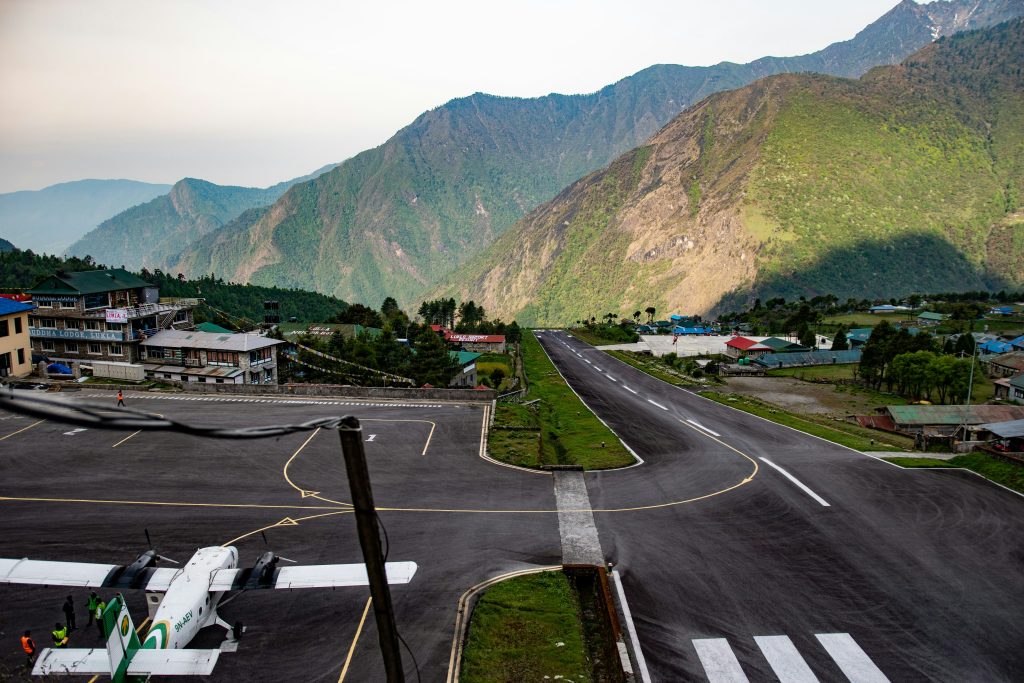
Your journey starts with a picturesque flight to Lukla. Flying to this location is a breathtaking experience, made more beautiful by the aerial views of mountains, hillsides, miniature villages, and the narrow strip that is located on the highlands.
Trek Through the Famous Everest Region
As you venture towards the world’s highest peaks, you will pass through evergreen valleys laden with charming Sherpa villages. Cross the thrilling suspension bridges made of thick metal cables and wooden/ metal planks and take in the beauty around you.
Cultural Experience in Sherpa Villages
Explore the traditional Sherpa villages like Namche Bazaar and Tengboche to get an understanding of their culture. You will get to know many things related to the mountains, local lifestyles, and Buddhist monks and their rectories.
Breathtaking Views of Himalayan Giants
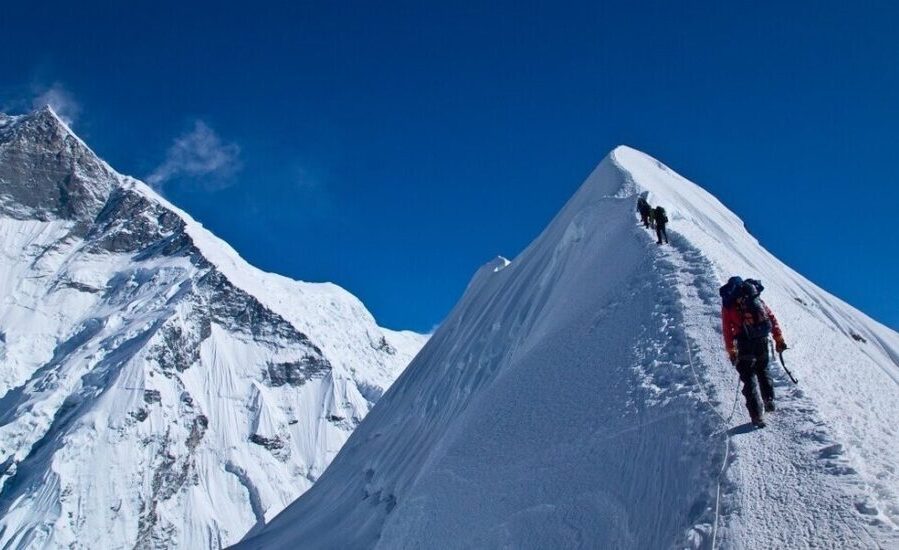
While trekking, you will get a continuous glorious view of snow-capped peaks such as Everest, Lhotse, and Ama Dablam. The view is stunning, but it becomes even more spectacular and unforgettable when seen from the summit of the island peak, which stands at 6,189m.
Climbing Practice Before the Summit
Before you commence the final ascent to the peak, basic training classes will be given on how to use ropes, crampons, and other materials, which increases confidence in climbing for novices.
A Summit Day You’ll Never Forget
Achieving the summit of Island Peak is a sensational achievement. The views from the peak will provide you with a 360-degree panoramic view of Himalayan peaks that will stay with you forever.
Standard Luxury Island Peak Climbing Itinerary
| Day | Activity | Altitude | Meals | Accommodation |
| Day 01 | Arrival in Kathmandu | 1,350m/4,429ft | – | 5-Star Hotel |
| Day 02 | Kathmandu: Trip preparation | 1,350m/4,429ft | Breakfast | 5-Star Hotel |
| Day 03 | Fly to Lukla, trek to Phakding | 2,610m/8,563ft | Breakfast/Lunch/Dinner | Luxury Teahouse |
| Day 04 | Trek from Phakding to Namche Bazaar | 3,440m/11,286ft | Breakfast/Lunch/Dinner | Luxury Teahouse |
| Day 05 | Namche Bazaar: Acclimatization Day | 3,440m/11,286ft | Breakfast/Lunch/Dinner | Luxury Teahouse |
| Day 06 | Trek from Namche Bazaar to Tengboche | 3,880m/12,730ft | Breakfast/Lunch/Dinner | Luxury Teahouse |
| Day 07 | Trek from Tengboche to Pheriche | 4,200m/13,779ft | Breakfast/Lunch/Dinner | Luxury Teahouse |
| Day 08 | Trek from Pheriche to Lobuche | 4,930m/16,175ft | Breakfast/Lunch/Dinner | Luxury Teahouse |
| Day 09 | Trek to Gorakshep, hike to Everest Base Camp | 5,163m/16,939ft | Breakfast/Lunch/Dinner | Luxury Teahouse |
| Day 10 | Hike to Kalapatthar, trek to Lobuche | 4,930m/16,175ft | Breakfast/Lunch/Dinner | Luxury Teahouse |
| Day 11 | Trek to Kongma La Pass, then to Chhukung | 4,730m/15,518ft | Breakfast/Lunch/Dinner | Luxury Teahouse |
| Day 12 | Trek from Chhukung to Island Peak Base Camp | 5,200m/17,316ft | Breakfast/Lunch/Dinner | Tent Camp |
| Day 13 | Pre-climb training at Island Peak Base Camp | 5,200m/17,316ft | Breakfast/Lunch/Dinner | Tent Camp |
| Day 14 | Summit Island Peak, return to Chhukung | 4,730m/15,518ft | Breakfast/Lunch/Dinner | Luxury Teahouse |
| Day 15 | Trek from Chhukung to Pangboche | 3,985m/13,283ft | Breakfast/Lunch/Dinner | Luxury Teahouse |
| Day 16 | Trek from Pangboche to Monjo | 2,780m/9,265ft | Breakfast/Lunch/Dinner | Luxury Teahouse |
| Day 17 | Trek from Monjo to Lukla | 2,800m/9,333ft | Breakfast/Lunch/Dinner | Luxury Teahouse |
| Day 18 | Fly from Lukla to Kathmandu | 1,350m/4,429ft | Breakfast/Dinner | 5-Star Hotel |
| Day 19 | Final Departure | 1,350m/4,429ft | – | – |
Note: The Luxury Island Peak Climbing Itinerary can be changed according to your routes and interests. You can head to Island Peak via the EBC trail, Gokyo Lake or Chukkung. Choose the itinerary that fits your plan.
Best Time For Luxury Island Peak Climbing: When to Climb?
Choosing the right time for the Island Peak climbing allows you to enjoy the breathtaking scenery without unnecessary challenges. So, all the participants who are planning to climb the Island Peak must understand when to choose the correct time for climbing.
When we see the data of island peak climbing this peak has climbed throughout the year. It is possible to do the Island Peak climbing throughout the year. However, due to the favorable weather and the temperature conditions, the best time to climb Island Peak is in Spring (March to Early June) and Autumn (September to November).
During the spring and the autumn, the clear view of the sky allows you to enjoy the breathtaking panoramic views of the majestic Himalayan peaks, including Everest, Lhotse, and Ama Dablam. From sunset to sunrise, you can enjoy the beautiful view of the surrounding landscape. On the trekking route, you will meet trekking and expedition groups heading like EBC, Chyo and even Mt. Everest.
Climbing the Island Peak in the winter is possible, but you should be able to bear the cold temperatures. During winter, the temperature goes below the freezing point, so only experienced trekkers know how to handle these harsh weather conditions. For novice climbers, we don’t suggest you summit during the winter season.
Climbers generally avoid trekking in the monsoon because, due to heavy rainfall at the lower altitude, the road becomes blocked due to floods and landslides. So, it can cause travel delays and even flight cancellations.
What Are the Permits Required For Island Peak Climbing?
Here is the list of permits that you need to have with you before heading for the Island Peak Climbing.
| Permit | Cost (Approx.) | Notes |
| Sagarmatha National Park Entry Permit | NPR 3,000 (~USD 25) for foreigners | Mandatory for entering Sagarmatha National Park |
| Khumbu Pasang Lhamu Rural Municipality Permit | NPR 2,000 (~USD 15) | Replaces the TIMS card for trekking in the Khumbu region |
| Island Peak Climbing Permit | Spring: USD 250 | Cost varies by season. Issued by Nepal Mountaineering Association (NMA). |
| Autumn: USD 125 | ||
| Off-season (Winter/Summer): USD 70 | Lower cost during less popular climbing seasons |
Note: You cannot get the climbing permit on your own. Your tour operator needs to obtain the permit on your behalf. Climbers need to pay a refundable garbage deposit of 500 USD to the Nepal Mountaineering Association (NMA).
How Difficult Is Luxury Island Peak Climbing?
Here are the factors that are responsilbe to make Island Peak Climbing. Lets see in details:
1. Altitude and Acclimatization
One of the biggest challenges that first-time climbers face during the Island Peak climb is trekking above 6,000 meters, where the oxygen level is significantly lower. At such high altitudes, climbers may experience health effects, and some might even show symptoms of Acute Mountain Sickness (AMS).
How Luxury Services Help:
- The Luxury Island Peak Climbing itinerary is crafted in such a way that you will have enough time to adjust your body to altitude.
- There will be a heated floor/electric blanket, healthy meals and an oxygen supply if needed, which allows you to beat the altitude effect.
2. Physical Fitness Requirements
Climbing is by no means an easy task. This Luxury Island Peak Climbing also demands an excellent level of fitness from the trekkers. On the summit day, you need to climb steep ice walls, negotiate crevasses, and navigate glaciers for up to 10-12 hours.
How Luxury Services Help:
- Luxury operators provide fitness guidance so that you can prepare 2-3 months in advance.
- Expert Climbing guide and porter will be provided to you for your safety and to encourage you during the hard time.
3. Technical Skills
Island Peak isn’t technically demanding when compared to other Himalayan summits, but still climbers should know how to use trekking gear such as crampons, harnesses, ropes, and ice axes.
How Luxury Services Help:
- On the luxury Island Peak Climbing package itinerary, there will be pre-climb training sessions led by experienced guides. You will learn basic mountaineering skills, which will help to boost your confidence to pass challenging sections.
4. Variable Weather Conditions
As you can see, the higher you reach the mountain, the colder it gets. However, the real challenge for trekkers isn’t just the cold—it’s the sudden changes in weather conditions. Also, the windy air at high altitudes can affect the summit plan.
How Luxury Services Help:
- When you choose the luxury package, your tour operator will provide you with warm sleeping bags, down jackets, and reliable footwear to protect against extreme conditions.
- Your trekking guide will check the weather forecast, and they are experts in this field.
How To Train Physically For the Island Peak Climbing?
For the summit of the Island Peak climbing, you need to have solid physical training for both beginner and experienced climbers to stay in shape. It is important because it helps to ease the challenges that you need to face during climbing by providing confidence. Not only that, it helps to enhance the climbing experience and make the trip more memorable and exciting when planned.
Let’s learn how to build your fitness, enhance strength and endurance, and prepare your body for the challenges of high-altitude trekking and climbing.
Aerobic (Cardiovascular) Endurance
Why it counts: High-altitude trekking pushes your heart and lungs; a strong aerobic base helps you go further and recover faster.
What to do:
- Hiking or brisk walking with a pack (8–12 kg/17–26 lbs)
- Running, cycling, swimming, or stair climbing
- Mix longer, lower-intensity sessions with shorter, high-intensity intervals
Example weekly aerobic plan (3–5 months out):
- 2–3 hikes per week (progressing from 1 to 6 hours, carrying a loaded backpack)
- 1–2 interval sessions (30–45 minutes each, at higher effort)
- 1 long cardio day (up to 8 hours, simulating summit day near the end)
Leg and Core Strength
Why it counts: Powerful legs help you tackle steep sections, while a strong core boosts balance on uneven trails and technical terrain.
Key muscle groups: Quadriceps, hamstrings, glutes, calves, abdominals, lower back
Recommended exercises:
- Step-ups (with or without weight)
- Squats (bodyweight or weighted)
- Lunges
- Deadlifts
- Planks, side planks, Russian twists
Aim for 2–3 strength sessions each week, rotating leg- and core-focused workouts. Use progressive overload—increasing the weight or number of reps—to continue seeing gains.
Upper Body & Grip Strength
Why it counts: While Island Peak isn’t highly technical, fixed-rope ascents and short scrambling sections require grip, arm, and shoulder endurance.
Exercises to include:
- Pull-ups or assisted pull-ups
- Push-ups or bench press
- Farmers carry
- Resistance band exercises (for rotator cuffs and forearms)
- Hanging holds or dead hangs (for hand strength)
Flexibility & Mobility Training
Why it counts: Improved mobility helps reduce the risk of injuries, especially in knees, hips, and ankles, and increases overall comfort during ascent and descent.
Try:
- Dynamic stretching before sessions
- Static stretching after workouts
- Yoga for climbers (hip openers, hamstring stretches, spinal twists)
- Spend at least 10–15 minutes stretching after each workout or hiking day.
How to Prepare Your Body for Altitude: During The Climb
Nutrition and Hydration:
- Eat healthy food rich in vitamins, minerals, protein and nutrition. Try to avoid eating heavy meals during the long hour trek especially in the morning time. Prefer to eat more veg items and try to avoid meat items at high altitudes.
- Keep your body hydrated all the time. Carry reusable water bottles and aim to drink 3-4 ltr every day.
Rest and Recovery
- Prioritize sleep (7–8 hours)
- Don’t do heavy exercise at high altitudes. Stick with stretch, foam roll, or walk in easy terrain.
Injury Prevention
- Use high-quality trekking boots.
- Don’t ignore minor aches.
Acclimatization and Altitude Sickness
- Monitor your health conditions. You can check your BP and oxygen levels.
- Check altitude sickness symptoms(AMS) and if you observe, immediately inform your climbing guide.
- Walk slowly and steadily at your own pace.
What To Pack For The Luxury Island Peak Climbing?
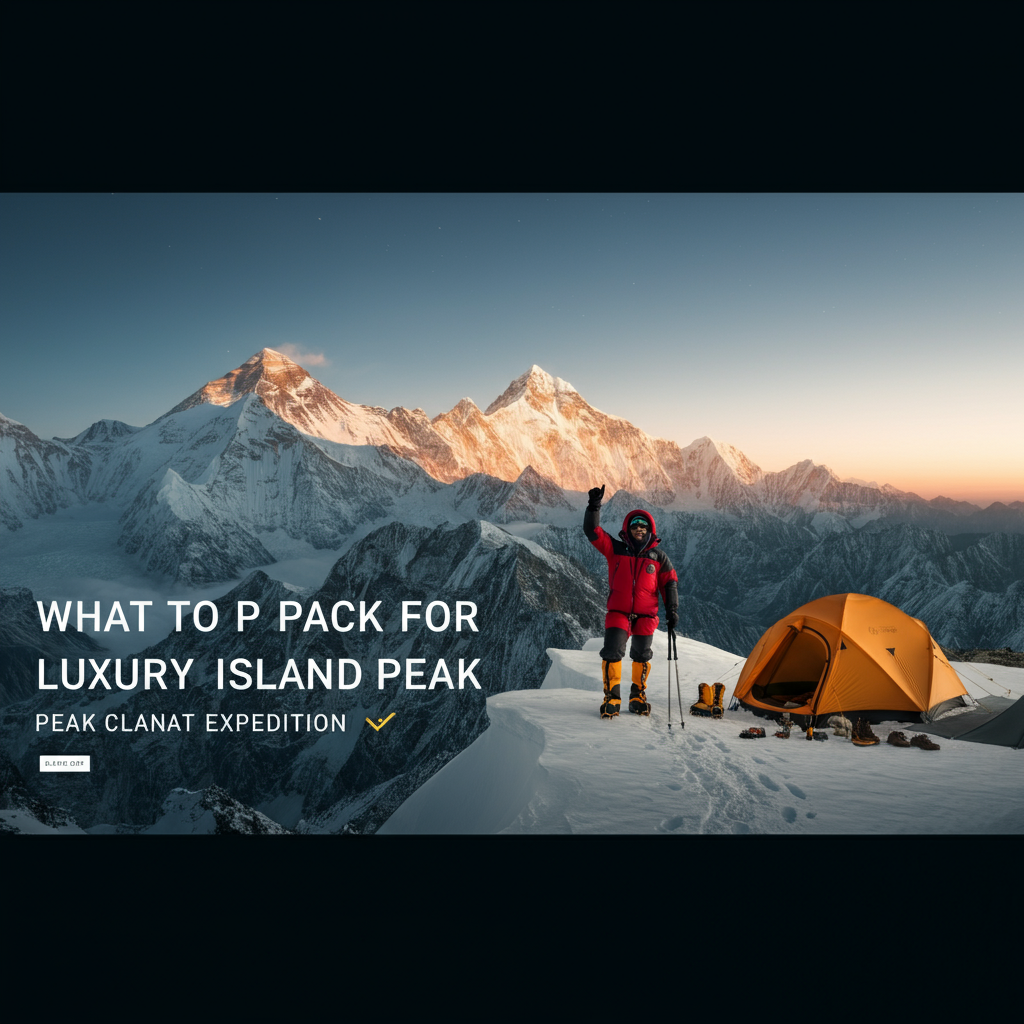
Island Peak (Imja Tse), standing at an altitude of 6,189 meters in the heart of Nepal’s Khumbu region, tests your stamina, willpower, and preparation. So, you need to have the right gear to support you through unpredictable weather, challenging terrain, and multiple days above 5,000 meters.
Let’s see what you need to pack in your language before heading for this lifetime adventure.
Essential Clothing Layers
- Base layers (top and bottom)
- Mid-layers (fleece or light insulated jacket)
- Windproof jacket
- Waterproof shell jacket and pants (Gore-Tex recommended)
- Trekking pants & shorts (zip-off preferred)
- Thermal underwear(3 pairs)
- T-shirts (3–4) and long-sleeve shirts (2)
- Gloves (lightweight inner gloves and insulated, waterproof outer gloves)
- Socks (5–7 pairs)
- Gaiters
Technical Climbing Gear
- Climbing boots (fully insulated, suitable for 6,000m peaks)
- Crampons (compatible with your boots)
- Climbing harness
- Mountaineering ice axe
- Helmet
- Carabiners (2-3 locking)
- Prusik or ascender device
- Headlamp (with extra batteries)
- Trekking poles
- Climbing gloves (with grip and warmth)
- Goggles and sunglasses (UV protection, anti-fog for summit day)
Sleeping and Personal Gear
- Four-season sleeping bag (rated to -20°C or lower)
- Sleeping bag liner (silk or fleece for hygiene and warmth)
- Inflatable pillow or compressible travel pillow
- Earplugs and eye mask
Health and Hygiene
- Personal first aid kit
- Prescription medications
- Sunscreen (SPF 50+) and lip balm
- Moisturizer and high-altitude skin care essentials
- Wet wipes and hand sanitizer (biodegradable is best)
- Microfiber towel
- Toiletries (toothbrush, toothpaste, nail clippers, deodorant, comb)
- Toilet paper (hiking/backpacking type)
Electronics and Documentation
- Smartphone & charger (power bank recommended)
- Camera and memory cards (extra batteries)
- Universal travel adapter
- E-reader or favorite book
- Plug adapter and compact power bank
- Satellite phone or Garmin inReach (if provided/not included)
- Copies of passports, visas, travel insurance, and permits
Note: There are certain shops in the Thamel Area where you can rent the trekking gear and equipment.
Luxury Island Peak Climbing Cost: Budget Breakdown For 2025 & 2026
Before booking a luxury Island Peak expedition in the Khumbu region, climbers should understand the total cost and what’s included in the package. The total price falls between $4,000 and $9,500 per person (as of 2025/2026 projections).
What’s Included in Luxury Island Peak Packages?
- International and domestic flight support
- Five-star or boutique hotels in Kathmandu
- Gourmet meals pre- and post-climb
- Luxury transportation (private jeep or helicopter by request)
- Premium trekking lodges and heated tented base camp with plush bedding
- Highly experienced, English-speaking Sherpa guides (often one-to-one ratios)
- Top-quality gear (crampons, harness, sleeping systems, and often satellite phones)
- Permit handling and all paperwork
- Comprehensive medical support, oxygen supplies, and 24/7 emergency backup
- Porter and support staff with above-standard welfare
| Cost Category | Details | Estimated Cost (USD) |
| 1. Permits & Documentation | Island Peak Permit, Park Fees, TIMS Card | $140–$320 |
| 2. Accommodation | 5-star hotels in Kathmandu + luxury lodges and tents | $1,200–$2,500 |
| 3. Meals & Beverages | Chef-prepared meals, premium drinks, dietary options | $400–$700 |
| 4. Transportation | Flights (Kathmandu–Lukla), private transfers, optional heli upgrades | $400–$3,000+ |
| 5. Guides & Support Staff | Certified guides, porters, Sherpa ratio (1:2), insured & well-paid | $1,500–$2,500 |
| 6. Equipment & Gear Rental | High-end mountaineering gear (often included in package) | Included / $100–$400 (if extra) |
| 7. Training & Insurance | Prep support, itinerary briefings, insurance guidance | $100–$500 |
| 8. Personal & Misc. Expenses | Tips, Wi-Fi, souvenirs, snacks, optional extras | $250–$700 |
Facilities on the Island Peak Climbing Route: ATM, WIFI, Electricity, Hot Shower, Communication.
Climbing Island Peak (Imja Tse) is about enjoying the beautiful nature in the Khumbu region by avoiding the hustle and bustle lifestyle. From Lukla airport all the way to Island Peak Base Camp, trekkers will pass through the tiny Sherpa village and tea house, where modern infrastructure is limited or missing.
By understanding the route’s facilities it helps you to avoid surprise expenses. Let’s see the details and about these facilities and how to prepare for it.
ATM: In this modern era, people generally prefer to use modern banking systems and carry very little cash. Your last place to withdraw cash in the Everest region is Lukla Airport or the Namche Bazar. After passing Namche, you will not find an atm or banking service. We suggest you carry cash of around 20,000 for personal use.
WIFI: During the Island peak climbing, you will find a Wifi connection inside the tea house. The Wifi connection may not be decent at the high altitude. While you are in the Island Peak climbing base camp, you will not find the wifi facilities.
Electricity: You will get the Electricity Access for Charging your electronic device. At high altitudes, tea houses provide electricity from solar panels, small hydro plants, or local grids. So, for the backup, we suggest you carry the power bank with you. At Island Peak base camp your tour operator will manage the generator for electricity.
Hot Shower: After a long hour of trekking, taking a hot shower helps to relax your body and mind. You can get these hot shower facilities in the tea house. You can get private hot shower facilities in the lower region, whereas at the higher altitude, there will be shared facilities. For your note there will be hot shower facilities in the Island Peak base camp. You can use wet wipes, a damp cloth, and a sense of humor.
Communication: Local Sim( Ncell) provides strong connections until Namche Bazar. However, the quality of the network degraded after that due to altitude. At the Peak Base camp or during the summit, there is no network coverage, so for an emergency, you need to rely on the satellite device, which is carried by your climbing Guide.
Accommodation on Luxury Island Peak Climbing: What to Expect
Island Peak climbing follows the classic route through the Khumbu Valley, sharing much of its path with the famed Everest Base Camp trek before diverging toward Chhukung and the base camp.
Kathmandu: Your Launchpad
Your expeditions start with a couple of nights in Kathmandu. While you are in Kathmandu, you will stay in a Luxury 5 Star hotel or boutique accommodation that offers:
- Spacious, modern rooms with plush bedding
- En-suite bathrooms with hot tubs and rain showers
- 24-hour room service, complimentary Wi-Fi, and premium amenities
- Lush gardens, swimming pools, and full-service spas
The Lower Khumbu (Lukla to Namche Bazaar): Upscale Comfort
Once you land in the Lulka you will stay in the luxury tea house. There are facilities of luxury tea houses till the Namche Bazar. This luxury tea house offers:
- Yeti Mountain Home and similar properties offer heated rooms, electric blankets, and gourmet meals
- Private en-suite bathrooms with flush toilets and consistent hot water
- Inviting lounges with fireplaces, libraries, and panoramic mountain views
- Chef-prepared meals ranging from traditional Nepali fare to Western cuisine
- Barista coffee, cakes, and warm pastries
Mid-Altitude Stops (Tengboche, Pangboche & Dingboche): Boutique Experiences
Once you cross the Namche, the luxury tea house will be basic, but still, you will be impressed with the luxury facility. Let’s see what it offers:
- Lodges with smaller room counts ensure a quiet, personal experience
- Delicious, fresh food and extensive tea selections
- Wood-burning stoves, heated dining rooms, and sun terraces
- Dedicated hot shower facilities (often solar-powered)
- Private guides attentive to your pace and well-being
Chhukung and Island Peak Base Camp: Comfort at the Edge
Above the Dingboche, the tea house till the Chukkung is basic. Here, you will learn how to live for a few days in a mountain region and how to connect yourself to nature. At the Island Peak base camp, you will stay in the tent, which is set up by your crew.
- Private, insulated tents with thick mattresses and heavy-duty sleeping bags (often -20°C or lower rated)
- Portable tables and chairs in a shared dining tent, sometimes heated
- Freshly prepared, chef-cooked meals (including vegetarian or vegan choices)
- Separate, private toilet tents and basic but effective washing stations
- 24/7 support from dedicated mountain staff, porters, and climbing guides
Food Experience on Luxury Island Peak Climbing: What’s on the Menu?
During the Island Peak Climbing, food is not just for filling the stomach or for the taste. You need to have a balanced diet for them to maintain their energy levels and to remain healthy. Food Menu varies in Kathmandu and trekking trails.
Food on Kathmandu Start Hotel
You can get a wide variety of menus while you are staying in the Kathmandu luxury Hotel. Most tour operators don’t include the meal items when you are in Kathmandu so you need to budget yourself while staying in Kathmandu.
Food on the Trail: From Teahouse to Alpine Camp
While staying at the luxury tea house, your tour operator will arrange three times for you, including beverage hot and cold beverage items. In the tea house you will get the fresh food which is prepared by using the fresh local ingredients. Mostly, you will be provided traditional Nepali Dish, Indian Dish and a few international dishes. Don’t expect seafood here.
Climbing Higher, Climbing Safer: The Role of Guides, Sherpas, and Medical Staff in High-Altitude Expeditions
To have a successful summit in one of the most popular peaks in the Everest region, all the participants must have the roles of guide, porter, medical staff and another crew member. You should know expert support matters and this support can be obtained only from the reputed trekking agency.
One of the most important things that you need to choose carefully is the best tour operator in Nepal like Everest Delight Travel and Adventure. Only the experienced agency can provide you with a team that is full of expert guides, reliable porters, supportive crew members and medical staff.
Tips to Maximize Your Luxury Island Peak Experience
- Everest region is a world-popular trekking and peak climbing destination. Since there are limited luxury rooms in the tea house, you need to book the trek in advance so that you can reserve your seat.
- Before booking from the tour operator, ask whether the tour operator is registered or not, ask for Climbing Guide Qualification, and check the refund policy and reviews.
- Check what are the things that will be included in the Island Peak Climbing Package and what are not. Manage the budget accordingly.
- Tour operators in Nepal do not provide the insurance facility, so make sure to have it before leaving your home country.
- Tell them about dietary options while booking the package with the tour operator so they can try to manage it till possible.
- Stick one to the Sagarmatha National Park while passing through it.
- Book your trek during the best time so that you can enjoy your journey to the fullest.
- If possible, learn the basic mountaineering skills in your home country.
- Make yourself familiar with altitude sickness and acclimatization.
- Last, but not least, try to conserve the beauty of the Everest Region by following a leave-no-trace policy. Your small step will create a big impact on saving this beautiful planet.
Final Say
We hope that this article helps you to fully understand the things that you are wondering about Island Peak Climbing. Island Peak Climbing, which is situated in the Everest Region, is a must-visit place for climbers who want to have unlimited adventure.
Adding luxury options in the Climbing adds comfort to your journey. If you are looking for beginner-friendly peak climbing, this one might be the perfect destination for you. Also, this Island Peak Climbing can be used as a practice session before heading for a tough expedition like Mt. Everest.
Posted on